

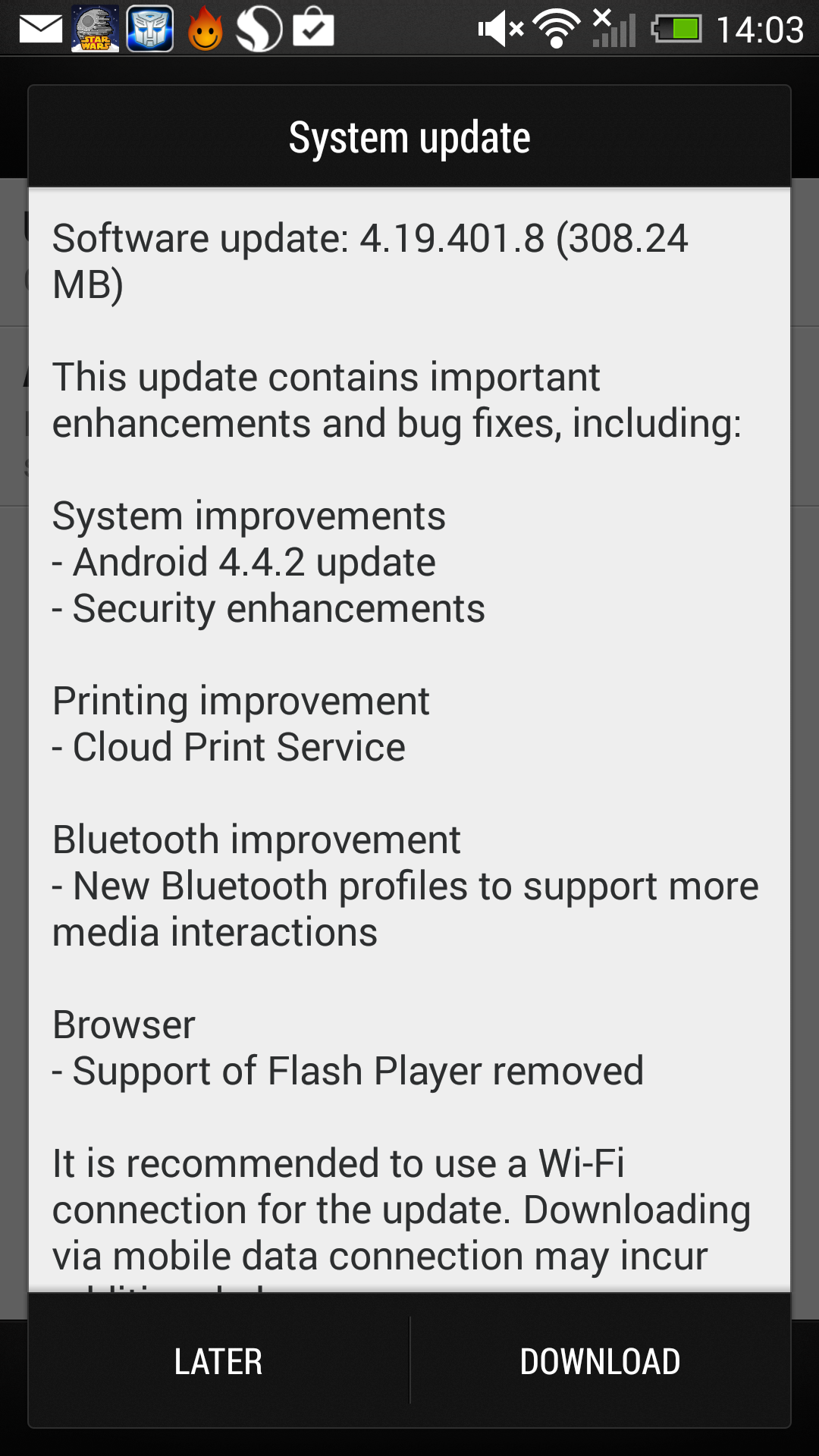
 Thanks to HTC’s own Android update status page, we knew that the KitKat update for the HTC One was pretty imminent and today many users will have been presented with a notification to say that there was indeed an update available for their HTC One.
At the moment I’m installing the update on my own HTC One and so far it seems to be pretty painless.
The latest Android 4.4.2 KitKat update promises the following:
- System improvements
- Android 4.4.2 update
- Security Enhancements
- Printing imrovements
- Cloud Print Services
- Bluetooth improvement
- New Bluetooth profiles to support more media interactions
- Browser
- Support of Flash Player removed
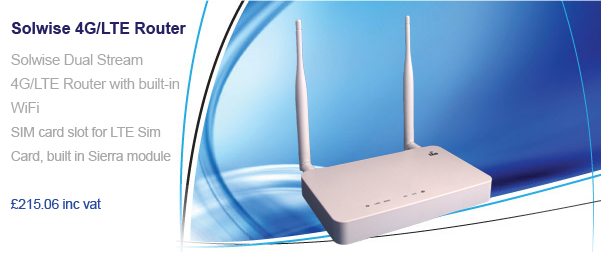
 Solwise are pleased to announce their first 4G/LTE router has finally arrived! The Solwise 4G-LTE-S4 is a full 4G router that includes 150Mbps 11n WiFi and WAN connectivity. The ‘S4’ router includes a 4G modem with SIM slot (standard size) so just insert your 4G SIM card, configure the unit with the login details for your 4G data account and you are then ready to share your 4G data connectivity. No need for a dongle. The S4 also supports 3G data SIM cards.
The S4 has two antenna connectors for 4G and 1 built-in WiFi antenna. The antenna connectors allow you to attach an external antenna which may improve the 4G signal into your home. The S4 works for UK standard 800MHz, 1800MHZ, and 2600MHz LTE (4G) bands.
Speed (4G) 100Mbps download; 50Mbps upload
Speed (3G) 42.2Mbps DC-HSPA+ download; 5.76Mbps upload
NET-4G-LTE-S4 – £215.06 including VAT
http://www.solwise.co.uk/3g-
Solwise offer a number of 4G antennas to compliment the new S4 4G Router.
http://www.solwise.co.uk/3g-

 These days, more and more companies decide to pursue their bold ambitions by opening satellite offices in different parts of the globe. This is an amazing opportunity to boost their influence and their profit margins; nonetheless, this decision also leads to a series of inevitable changes and new requirements that should be handled with maximum care by all business owners.
For instance, companies that have to establish and maintain solid relationships with remote clients, partners and staff members require the very best business video conferencing solutions designed to fill in the gaps created by distance, improve communication and enhance productivity.
Now, these highly beneficial elements are no longer a luxury, but a real necessity for businessmen who strive to take their enterprises to the next level on time and on a budget.
“As the software-based solutions evolve, we expect to see greater adoption of videoconferencing at lower price points,” explains Roopam Jain, Frost & Sullivan’s industry director of Unified Communications and Collaboration, cited by Corporate Tech Decisions.
Here are three of the most important reasons why business video conferencing options are a must-have for bold players who want to make a name for themselves on a larger scale.
First: The Increased Popularity of Video conferencing
The question is this: can you really afford to ignore the crucial importance of video conferencing, highlighted in almost any field? Video conferencing usage has witnessed a 50% growth only in 2012, and it becomes increasingly popular as more and more people realize that this revolutionary communication method perfects daily interactions with a broader audience and triggers considerable savings.
Second: Multipoint Video Calling Gradually Becomes an Indispensable ally
A new market study conducted by NPD In-Stat, mentioned by Social Media Today, reveals that videoconferencing is expected to hit a new record of 550 billion minutes of video calling, recorded until 2015. Moreover, the same source indicates that emerging videoconferencing solutions come from leading players like Skype, Tango, Google, Microsoft Kinect, ooVoo, and Raketu.
Video conferencing reduces travel expenses, consolidates the relationship between clients, partners, and employees, and boosts the productivity of any enterprise. As this revolutionary technology proliferates and becomes a powerful ally for more and more companies, businessmen feel the need to organize meetings with multiple participants. This method, entitled multipoint calls, is now utilized on a large scale. Now, the successful, result-oriented meetings include several meeting rooms and a considerably larger number of users.
Multipoint calls enable participants to express their ideas in front of different segments of public, in a time-effective manner. This communication method is highly effective, as it encourages the participation of several categories of users and allows participants to address different aspects without wasting any time in the process.
Third: Interoperability Requirements
Most importantly, business video conferencing solutions manage to prevent misunderstandings and eliminate communication barriers created by distance. At the same time, as technology evolves at a fast pace, users get the opportunity to connect with their clients, partners, or colleagues using a wide range of video-enabled devices.
This is the main reason why interoperability is an important requirement in the business sector. No matter what type of gadget they use to get actively involved in a meeting, smart business video conferencing solutions should enable participants to profit from flawless interactions anytime, anywhere and set up a thriving collaboration environment.
To be able to select the right business video conference solution for you, you must understand some of the most important trends and current approaches leading to a higher number of satisfied customers. The Wainhouse Research Paper provides concise answers to some of your most pressing questions and enables prospects to make an informed decision when it comes to identifying and implementing the best video conferencing alternative tailored to their specific needs.
This source of information allows users to
- discover the multipoint video conferencing fundamentals
- find everything there is to know about on-site multipoint bridging alternatives
- analyze different deployment architectures and evaluate
- select the best type of hosted video bridging services
Of course using video conferencing technology is a smart way to to do business but there are still occasions when face-to-face meetings cannot be substituted. Business people will still need to book conference and meetings rooms so if you have rooms to rent out having a streamlined, easy to use booking system like MeetingsMaker on hand to do the heavy lifting is a must.

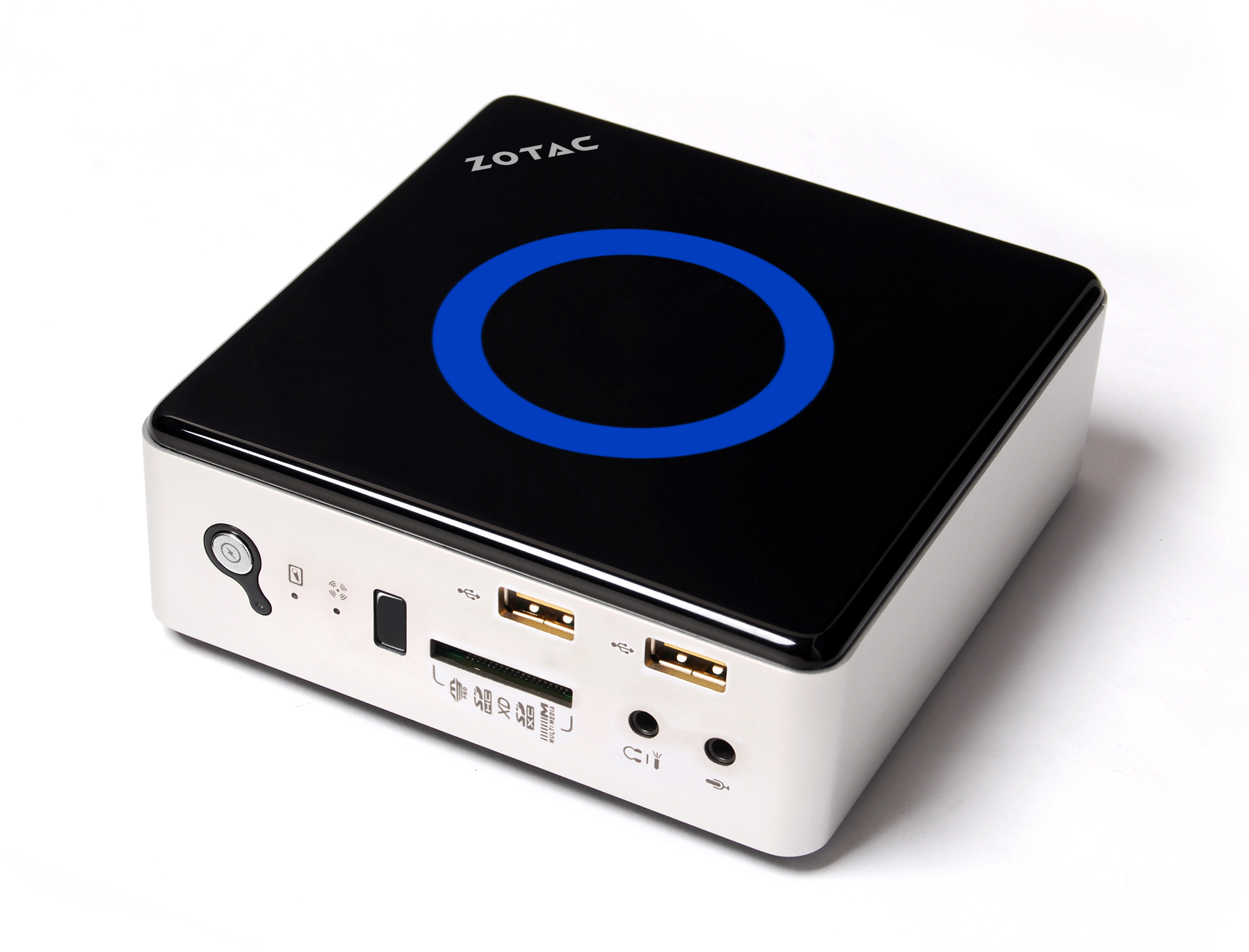
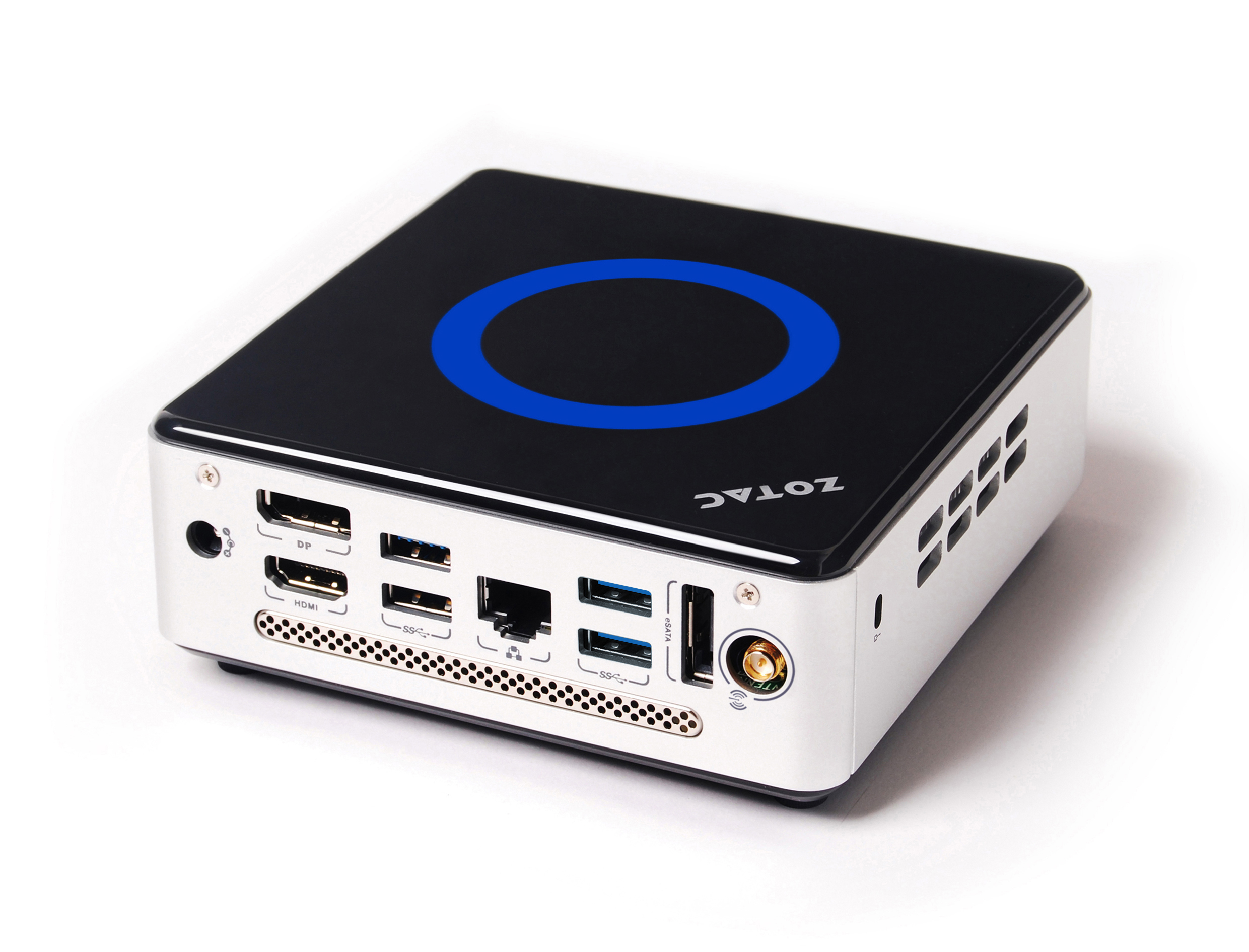
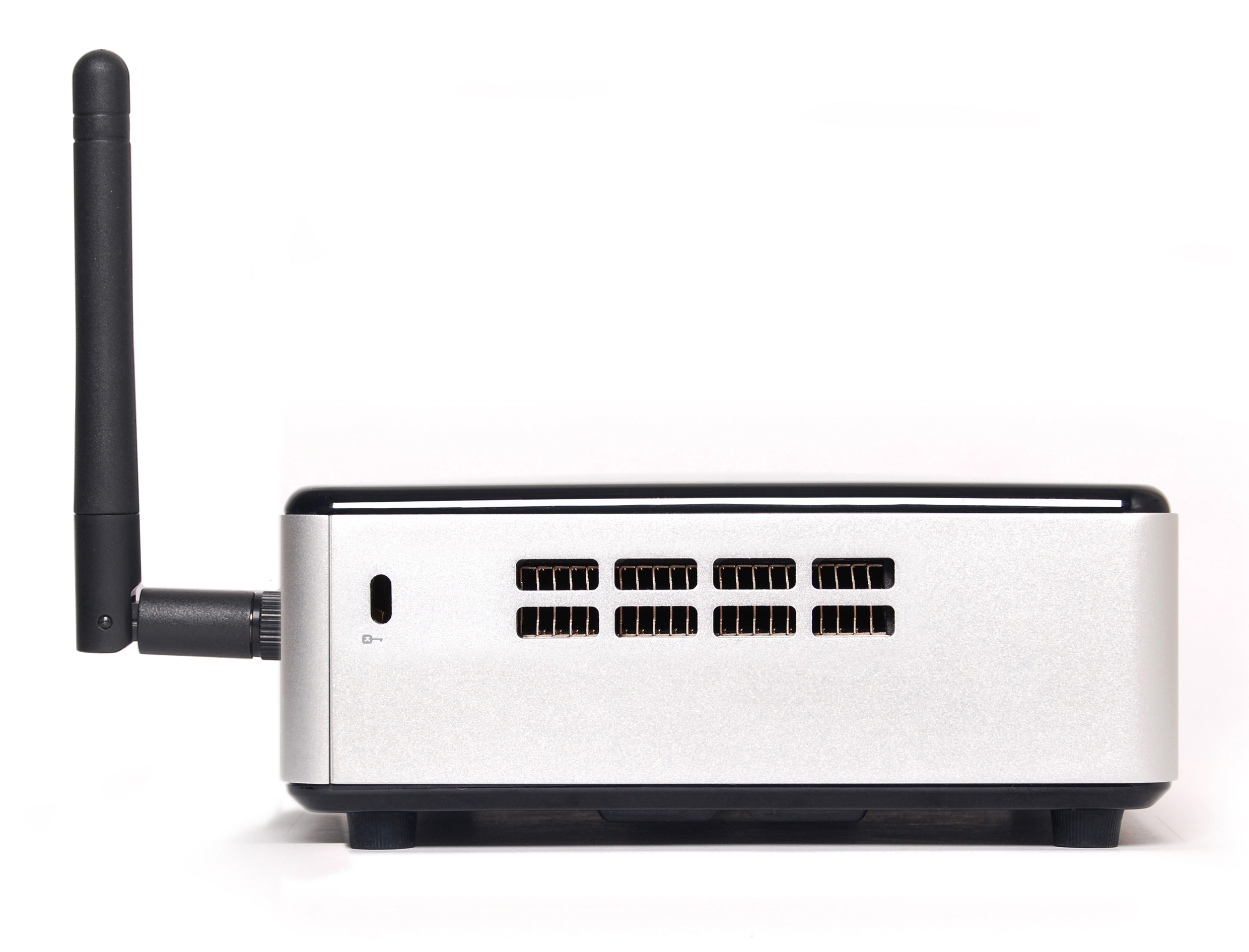
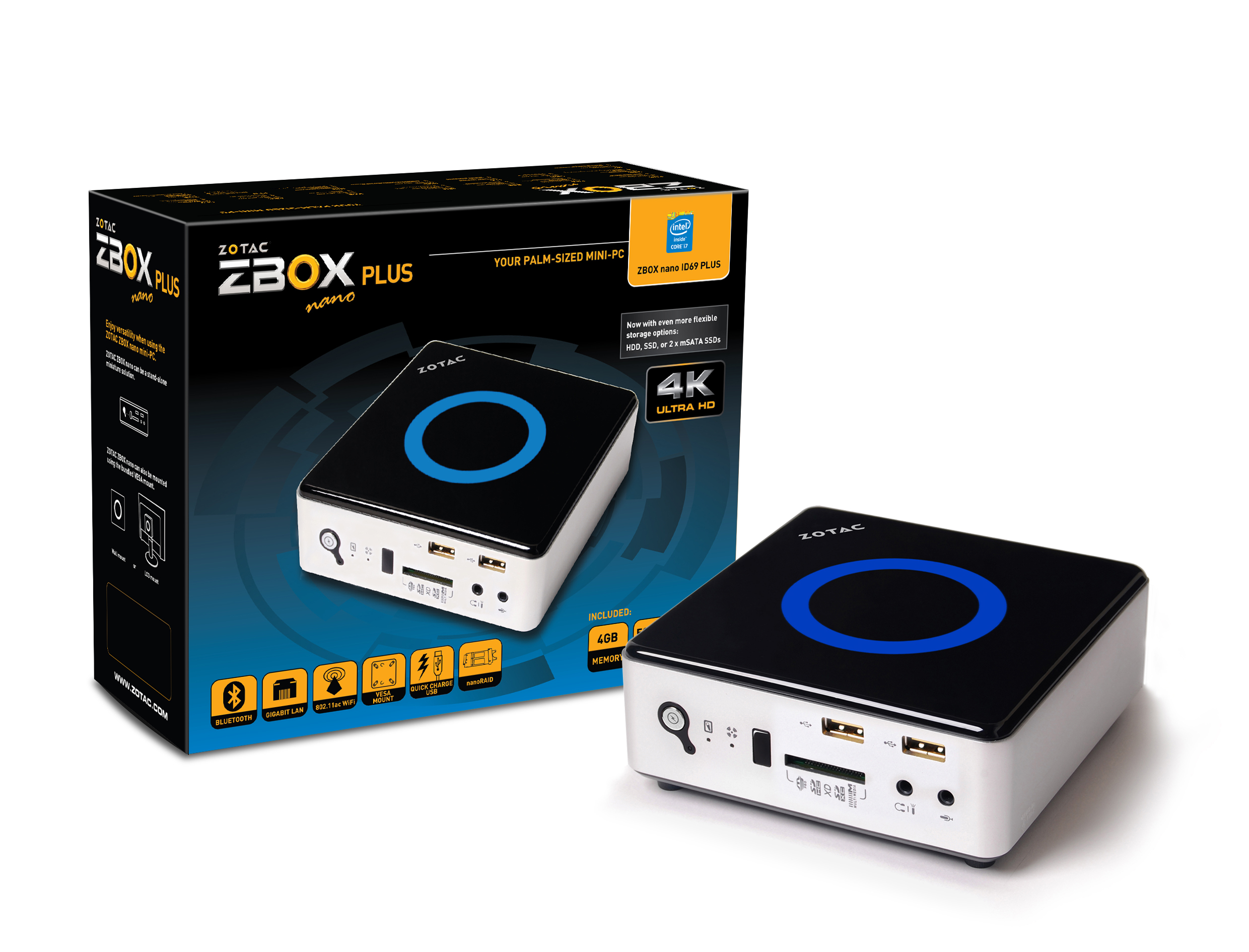
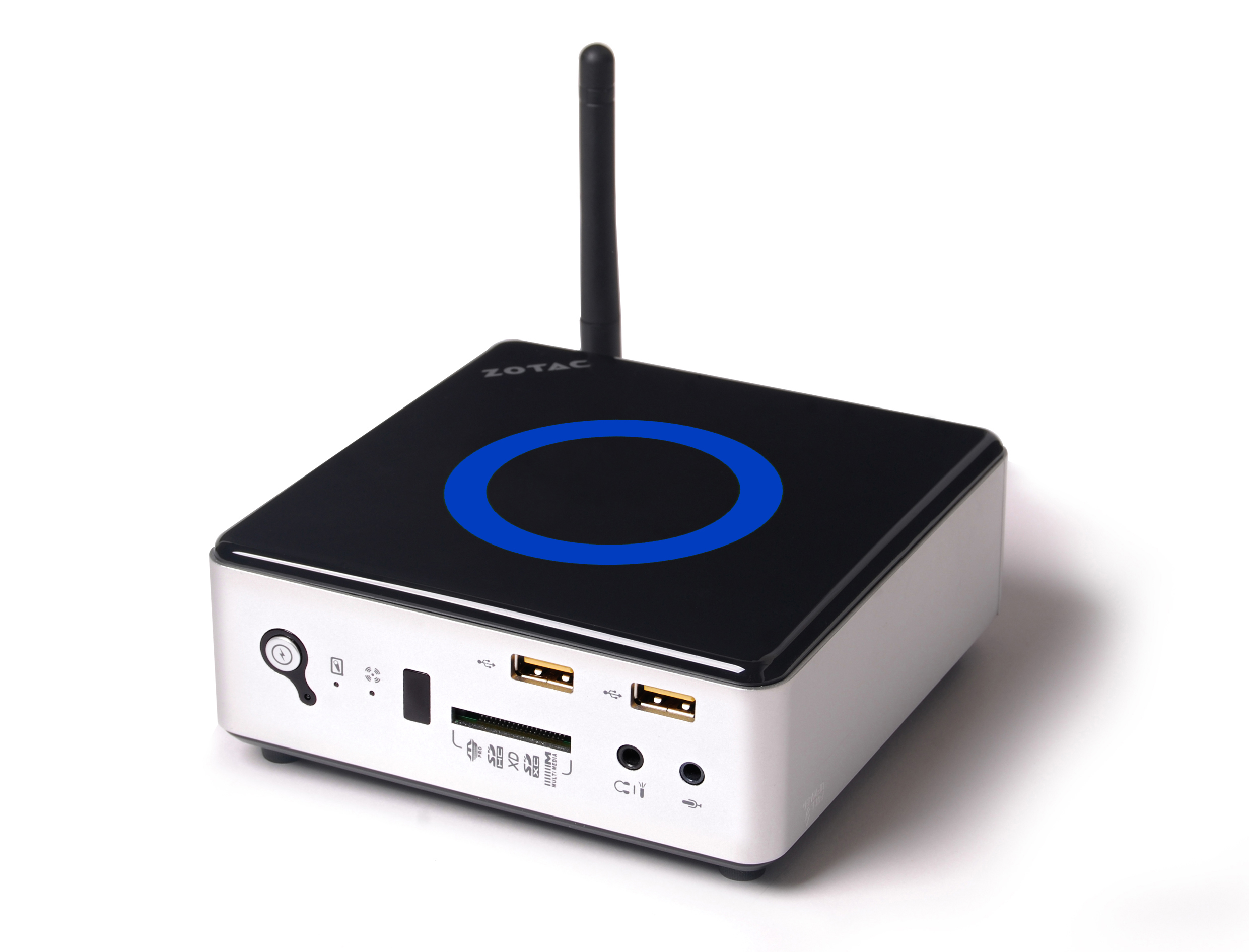 ZOTAC International, a global innovator and manufacturer of graphics cards, mainboards and mini-PCs, today turbo boosts the 4th Generation Intel Core ZBOX nano series with the new ZBOX ID68 and ID69 series mini-PCs. The new ZBOX nano duo integrate Intel Core i5 and Core i7 processors with Intel Turbo Boost technology to take the palm-sized form factor to new performance heights.
“The new ZBOX nano ID68 and ID69 series are our most powerful palm-sized mini-PCs yet. The addition of Intel Turbo Boost technology enables the two ZBOX nano ID68 and ID69 series to deliver performance comparable to much larger systems while consuming much less energy,” said Carsten Berger, senior director, ZOTAC international.
Users that want a taste of Intel Turbo Boost technology can opt for the ZOTAC ZBOX nano ID68 series with a high-performance Intel Core i5 4200U that can turbo boost up to 2.6 GHz. Demanding users that require the best performance available from the compact form factor can step up to the ZOTAC ZBOX nano ID69 series with an Intel Core i7 4500U processor that turbo boosts up to 3.0 GHz.
There’s plenty of connectivity on the ZOTAC ZBOX nano ID68 and ID69 series with plenty of USB 3.0 ports, eSATA for fast storage expansion, DisplayPort and HDMI outputs and high-amperage charging front USB 2.0 ports. High-speed 802.11ac wireless networking and lightning-fast Gigabit Ethernet enables the ZOTAC ZBOX ID68 and ID69 series to maximize networking performance via wired or wireless home networks.
It’s time to play with the ZOTAC ZBOX ID68 and ID69 series!
ZOTAC is pleased to TurboBoost the 4th Generation Intel Core ZBOX nano series with the new ID68 and ID69 series mini-PCs.
General details
- ZOTAC TurboBoosts 4th Generation Intel Core ZBOX nano Series
- New ZBOX nano ID68 and ID69 series
- ZOTAC ZBOX ID68 series
- Intel Core i5 4200U
- 1.6 GHz, dual-core, 3MB L2 cache
- Intel TurboBoost up to 2.6 GHz
- Intel HD Graphics 4400
- ZOTAC ZBOX ID69 series
- Intel Core i7 4500U
- 1.8 GHz, dual-core, 4MB L2 cache
- Intel TurboBoost up to 3.0 GHz
- Intel HD Graphics 4400
- PLUS models available with preinstalled memory and hard drive
- 4GB DDR3
- 500GB HDD
- HDMI & DisplayPort outputs
- 802.11ac Wi-Fi & Bluetooth 4.0 w/ external WiFi antenna
- Gigabit Ethernet
- High-amperage USB charging capable (yellow ports)
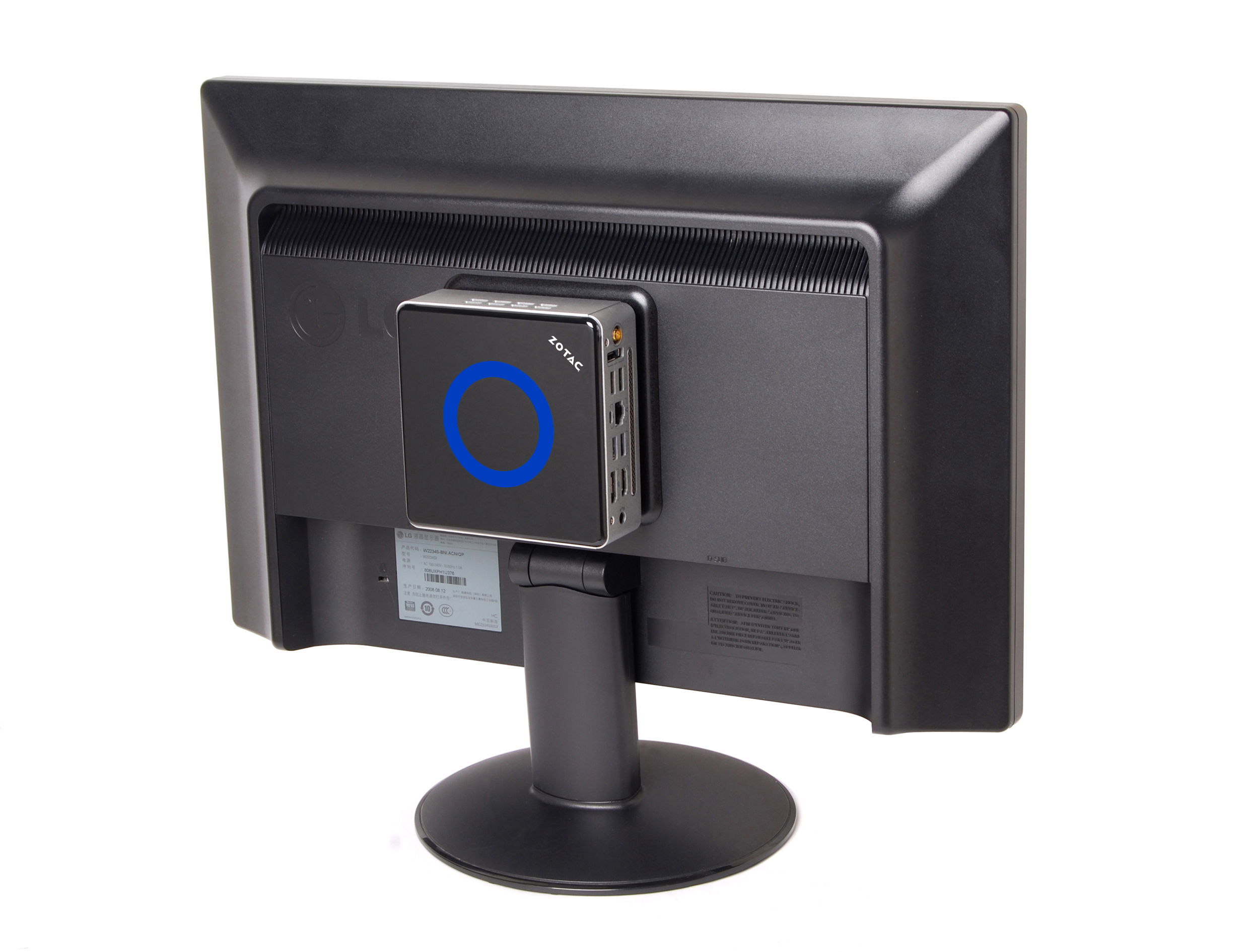
- Bundled VESA75/100 mount

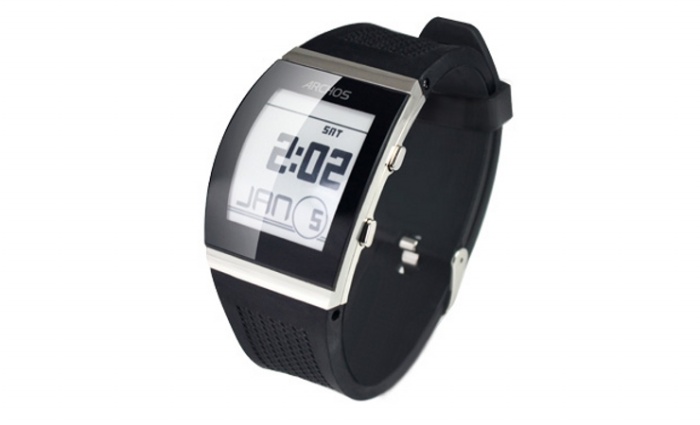 We have mentioned before that Archos is introducing a new, cheap take on the wearables phenomenon with their smartwatches. These Bluetooth reliant assistants are due to pair with both Android or iOS phone, after a quick install of the Archos Smartwatch management app on the relevant phone. After which the user selects the notifications to vibrate and alert you of whats going on in your pocket. Much like a few other smartwatches out there. Archos are giving you a choice of what screen technology you have to display notifications. For $129 you can have E Ink touted to last for 1-2 weeks on a single charge. A $99 LCD won’t last quite a long at 2-3 days on its battery due to this having a touchscreen backlit screen. Lastly, the french manufacturer will be producing a $50 Memory LCD version featuring a black and white, always on screen good for 1-2 weeks. Like most smartwatches the pair will charge with a dock.

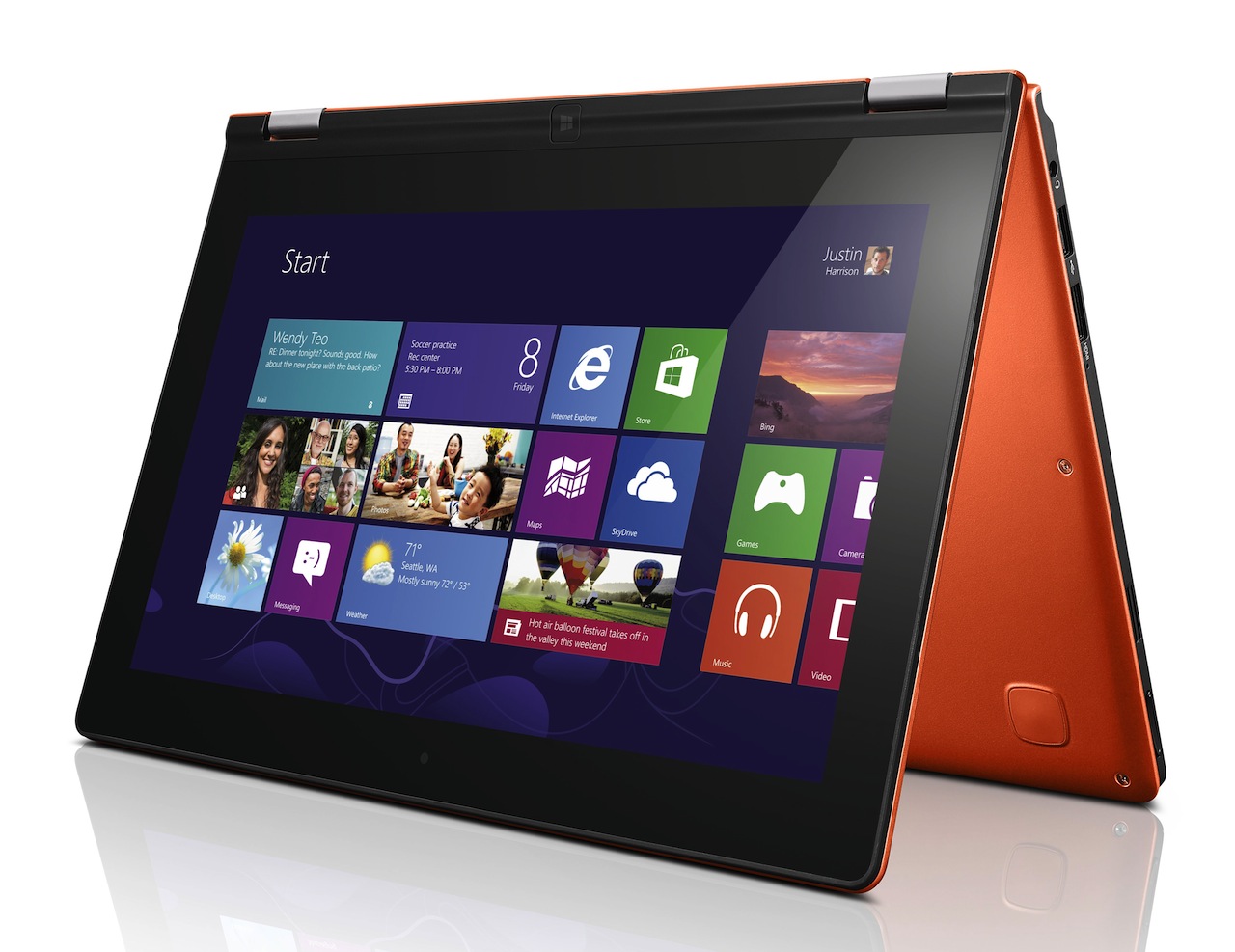 Last year, some 227 million tablets were sold and now they are more popular than smartphones when it comes to using the web. With almost 10% of visits coming from these devices, there’s a boom for them now, but will they still be popular in the future?
Currently, multimode and laptop tablet models are becoming the must have devices are they are ideal for both personal and business use. More portable than laptops, tablets have come a long way since humble beginnings back in 1989 with the GRiDPad. The amount of internet connected devices available is such that you can be diagnosed with a fear of not being connected – nomophobia. We have a look at what the future has in store.
The evolving relationship between humans and electronics
A smartphone seemingly isn’t a commodity anymore, merely something everyone is expected to have in order to send messages, pay bills and, well, live life. It is unsurprising that nomophobia is becoming a thing and relationships are becoming more intimate as wearables like smart watches and the innovative Google Glass continue to break new ground in the market. With analysts predicting that we’ll have (on average) five internet devices within the next few years, the falling prices mean that we have a different device for each activity. With phablets allegedly still a phenomenon to come and multimode tablets becoming a thing of the future, the crossover may have started.
Can laptop tablets break the market?
Quite a few tablets come with a keyboard now, and it is Lenovo who are breaking most of the ground and predicting that multimode tablets are the game changer moving forward. Microsoft obviously think this to be the case too as the Surface Pro 2 has been redesigned to be PC alternative that runs Office, a long battery and has a high performance. Some people have tried to suggest that the future of tablets isn’t healthy but the Aberdeen Group released a prediction that Windows 8 tablets will lead Android and Apple for market share this year as sales of tablets go into overload.
While the prediction says we are liking to have a number of different devices, they may still be required to do more than one job. If you’re getting a cheap tablet, then you know what it is for – and research from Ofcom has found that kids love tablets for browsing etc – then you know what you’re getting but there are calls for top-end products to be multimode – the Surface Pro 2, Lenovo ThinkPad Yoga 2 and ASUS Transformer Book T100 are all good examples.
Today, keyboards are key accessories when it comes to tablets and that would suggest that the trend is here to stay. While all electronic devices have there place in the market, some smaller than others, the multimode tablets make for an appealing alternative to PCs – and even laptops. The touch experience is well loved and many manufacturers are looking to cash in on the trend. Laptop tablets are here to stay.
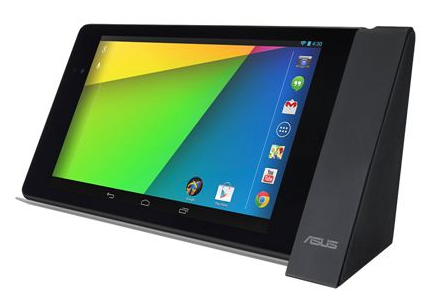
 Asus recently put some cool Google Nexus 7 2013 Edition accessories up on their site. For now it looks like its for information/future purposes only because they didn’t share a purchase date or pricing. Both of the devices are charging docks/stands for the Nexus 7 2013 Edition. One is wired and the other is wireless. Here’s a breakdown of info on each device straight from Asus’ website.
Wired Charging Dock: ASUS Dock for Nexus 7 (2013)
- Charge the Nexus 7 (2013) while in use, making it perfect for use on a desktop or counter.
- Slide-in design props up the Nexus 7 (2013) in either landscape or portrait orientation.
- HDMI output to view HD 1080p content on an HDTV or LCD display (HDMI cable not included)
- *Only compatible with Nexus 7 (2013)
- Positions the Nexus 7 (2013) perfectly for you to watch movies, play games, or surf the web, or even type notes using a wireless Bluetooth keyboard.
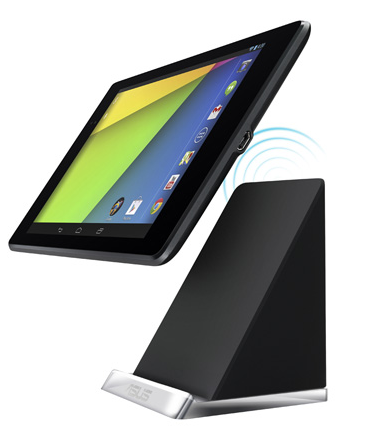
Wireless Charging Dock: ASUS PW100 Wireless Charging Stand for Nexus 7 (2013)
- Elegant Pyramid design with delicate texture and compact outlook
- With Qi standard, compatible with most tablets or cellphones which also support Qi.
- Wireless makes charging easy, built-in the status LED design
Even though they haven’t shared any pricing or availability details just yet, overseas the wireless dock has been selling for approximately $50 USD equivalent. We will keep an eye out for more details, but feel free to chime in on this thread if you see something before we do.

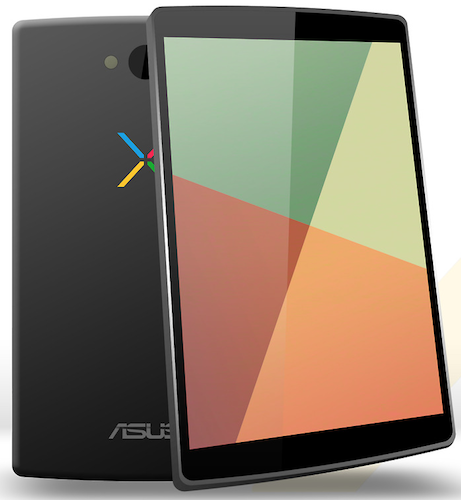 The latest Android tablet rumour is that Google is planning to release a Nexus 8 tablet in the middle of this year. Supposedly, the success of the Apple iPad Mini has forced Google to take notice and offer a compelling alternative in that size range. Some also say that the Nexus 7 (2013) is loosing ground to the wave of cheaper 7″ tablets hitting the market over Christmas.
An interesting side note about this rumoured Nexus 8 tablet is that Google is mulling over using Intel’s Bay Trail architecture instead of NVIDIA or Qualcomm this time. Whilst Samsung seem to be top pick for a refresh of the Nexus 10 later this year, LG covering things phone-side, Asustek is the likely favourite to produce this. The LG G Pad 8.3 was a killer upon release, even having a Play Store variant. Lenovo will also be a strong contender as their contribution to the Android hardware world has be fairly impressive. Google will have a tough decision of who to go with.

 Gareth and Matt are here with another UK update on the mobile front.
This week we discuss the Motorola Moto G and Gareth rants about the malware he found in Google Chrome.
Featuring Gareth, Matt and Phil

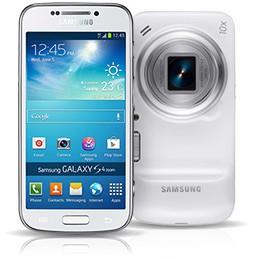 First we had the Nokia 808 Pureview Symbian smartphone with a beastly 41 megapixel camera, then Nokia came out, all guns blazing, with the Nokia Lumia 1020. This time toting Windows Phone 8 which you either love or hate…and Samsung clearly saw the relative success of the 1020 in particular and thought ‘ooh let’s have a go ourselves’ and you know what…they did have a go with the Samsung Galaxy S4 Zoom and its 16 megapixel 10X optical zoom camera slapped on the back.
So, you may be wondering, why? And do we really need such a device, or better yet why would anyone want a device such as the S4 Zoom?
Well to find out the surprising results of my testing and to have all of your questions answered I suggest you read on but I warn you…it’s going to be a long ride…
Connect
Connect with us on the following social media platforms.