

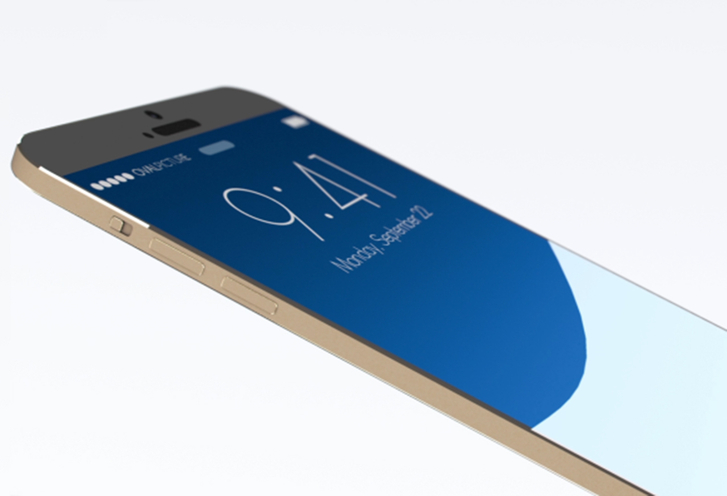
 There are plenty of rumours about the forthcoming iPhone 6 out there at the moment, some of which also contradict others. However, there does seem to be a growing consensus that the iPhone 6 may have a larger, bezel-less screen.
Certainly there have been suggestions that the iPhone 6 could come in 4.7″ and 5.7″ variants which also seems to be becoming more credible.
The latest rumour to suggests two versions of the iPhone 6 comes from the South China Morning Post who claims an Apple insider has revealed details and that the new iPhone 6 will go on sale in September, later than many industry analysts believe.
It has also been suggested that Apple may ditch the existing Gorilla Glass screens in favour of Sapphire screens which are claimed to be virtually “indestructible”.
The last rumour, for today at least, relates to the iPhone 6 cameras. Claims from the news site Nikkei, say that Apple and Sony are in negotiations at the moment and that Sony may in fact be the supplier of the front and rear facing camera components for the iPhone 6. There have been further claims that the rear camera could be a 13 megapixel shooter and have a built in optical image stabilizer.


Microsft have put together another advert for their new budget Windows 8 laptop built by Asus.
Honestly, the laptop looks quite nice, however, the content of the add is anything but. Singling out the Chromebook as an online only device, users of the Windows laptop can achieve so much more without an internet connection… like Chat! The only real factor on display is that Microsoft must really be concerned about the Chromebooks and perhaps lends more substance to the likes of Samsung ending their Windows laptop production run and Dell preferring Windows 7 over 8 as a option.
Lovely to see that Google does not feel the need to retaliate, just let Microsoft embarrass themselves.

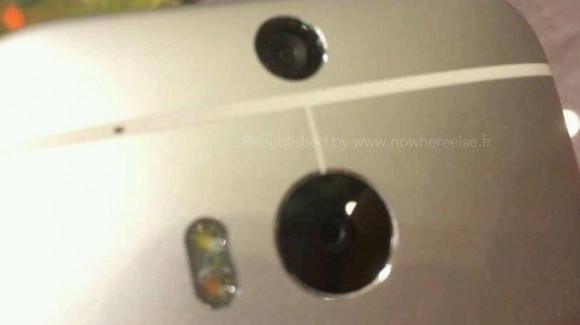 New images of the HTC M8 leaked by nowhereelse.fr yesterday reveal not one, but two rear facing cameras. Initial thoughts were that one of the sensors would actually be a fingerprint reader but, despite the blurry nature of the shots from nowhereelse.fr it’s quite clear to see that both have lens elements in them. One appears to be the same as the Ultrapixel sensor on the HTC One while the other looks to be quite different. There’s also a dual LED flash evident that looks to be very similar to the two-tone version we have on the iPhone 5s
So why two cameras?
There are lots of theories at the moment including being able to take 3D photos. Personally I think we’re looking at a 4MP Ultrapixel camera that’s the same as the HTC One which will be ideal for low-light and fast action photos. And then I suspect that the other camera will have a much higher pixel count but have a smaller pixel size, so less light sensitivity. The cameras seem way too close together to give much of a 3D image separation.
Another theory is that the two cameras will work simultaneously and may or may not have the same pixel count but that together they will offer better IQ and light sensitivity, both images captured on each being combined with some clever interpolation software to push the boundaries and offer a best of both worlds solution.
Whatever they are we look set to find out in a few weeks time!
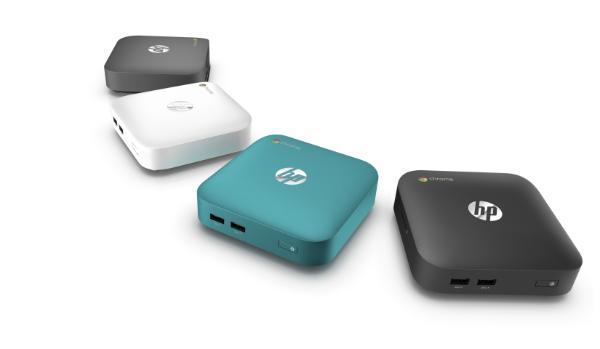 HP has just announced a Chromebox! We have heard rumblings of Chromeboxes in the past however, one has yet to appear on a shelf nearby. ASUS also announced its own Chromebox this week and it seems both devices will be competing against each other fiercely. So, we should really be getting used to seeing them.
Specs and features are very similar between the HP and ASUS desktop Chrome OS unit, but it doesn’t seem like HP is offering a lower-end device.
- 4th generation Intel Core i7 processor (Chromebox for Meetings version)
- HDMI, DisplayPort and four USB 3.0 ports
- Bluetooth
- Wall-mountable (VESA)
Three USB 3.0 ports, HDMI and DisplayPort adapters, and a VESA wall mount will feature as standard across the range.
In a nod to their Chromebook line-up HP are offeriung four different coloured designs will be available, all with artsy fartsy names: Smoke Silver, Ocean Turquoise, Snow White and Twinkle Black.
We don’t know much else about other specs for now. We are not even sure what kind of processor the regular version will have, but it will be a Haswell processor. If we base it on ASUS’ hardware, though, it should be either an Intel Celeron or i3 processor.

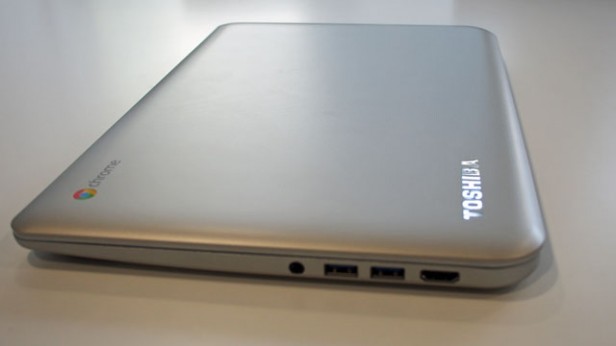 You will be able to purchase the Toshiba Chromebook in the UK on Monday the 10th of February. We do not have details regarding other markets as yet, but now we know Currys will carry the much anticipated Chrome OS Notebook.
The Toshiba Chromebook is available for pre-order from Amazon for £249. Thankfully Currys price will be the same. When comparing to other Chromebooks, this is very similar aside from the screen size of 13.3 inches.

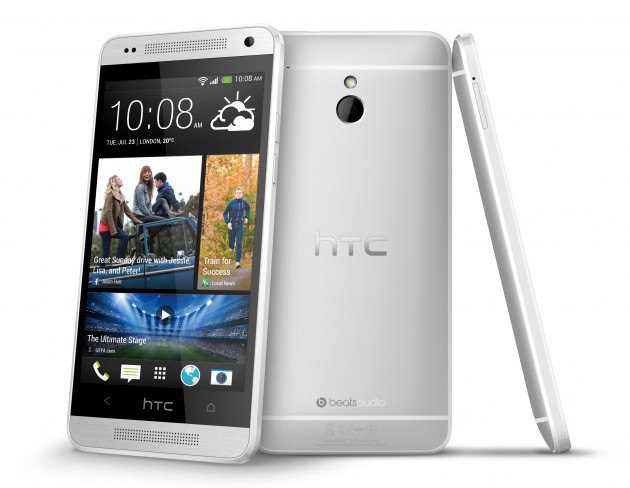 Only yesterday we were talking about the anticipated replacement for the HTC One, the HTC M8. Today there’s a new rumour about the M8’s little brother, the HTC M8 Mini.
In a tweet yesterday the omnipresent tipster, @evleaks, posted the following tweet:
HTC M8 mini (mem_ul): SD400 (1.4GHz x4), 4.5″, 720p, 1GB/16GB (+microSD), 13MP/5MP, a/b/g/n/ac, BT4.0, KK4.4.2, Sense6.0, buttons on screen.
Claiming that the HTC M8 Mini will have Quad-core Snapdragon 400 at 1.4GHz, 4.5″ 720p display, 1GB RAM, 16GB storage, MicroSD card slot, 13MP primary camera and 5MP front facing camera, Android KitKat 4.4.2, HTC Sense 6.0 and Wifi 802.11a/b/g/n/ac.
This sounds like it’ll be a pretty awesome phone in its own right and the 13MP camera perhaps calls in to question the claims from some sources that the M8 itself will have ‘only a 4MP sensor’.
However, in my mind a device with 4.5-inch display is really pushing it to be called mini!

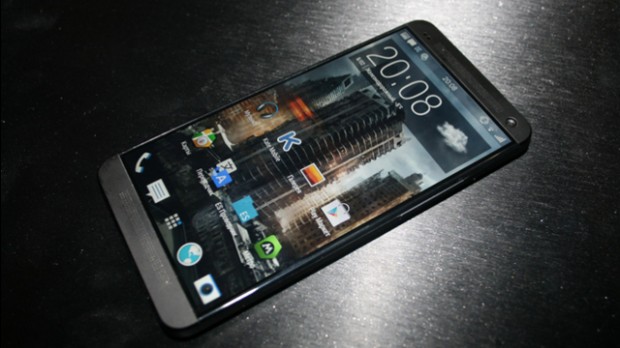 Things are definitely hotting up around the device that’s set to supersede HTC One, the HTC M8. Almost every day we’re seeing a new leaked image or screen shot of the phone that’s soon set to become HTC’s new flagship device.
This week we saw images of the HTC M8 which appear to confirm the claims that HTC have done away with the on screen buttons in favour of capacitive buttons below the screen. However, other images, including the ones in this post, seem to show a lack of both on-screen and off-screen buttons which is one reason why many are calling the current round of leaked images ‘fake’.
Other images released this week reveal the new look of HTC Sense 6 and, in particular, how Blinkfeed has just become a whole lot sexier.

 Gareth and Matt are here with another UK update on the mobile front.
Featuring Gareth and Matt. This week we discuss the rumours surrounding HTC replacement for the HTC One, dubbed the HTC M8. We also look forward to the iPhone 6 and what that may hold in store as well as a discussion abut what’s happening with Sony’s laptop division and Chromebooks that are waiting in the wings.

 Typical sales used to be a repetitive routine of call sheets and scripted conversations. Today’s B2B landscape has a whole new array of tools and tricks for sales teams to create new, lasting partnerships, leaving cold calls a thing of the past.
Analytics give professionals ammunition to build tailored proposals before they contact leads. Sales funneling software walks leads through the sales process one step at a time, and video and mobile technology make the sales process more efficient, knowledge-based and client-friendly. Here are three ways that technology has made a big impression on B2B.
Lead Sources
Higher sales start with better leads. The more you’re able to target potential clients, the more likely they’ll be to partner with your business. Plenty of outlets dedicate their resources toward finding ways to collect quality leads. Most of the improvement comes from targeted advertising, which can deliver relevant leads on a budget. According to an eMarketer.com survey, however, the highest quality B2B leads come from third-party lead originators. These lead shops enable businesses to purchase information based on desired age, industry, salary range and many other demographic categories. These firms take the hassle out of gathering prospects. With a quality insurance lead or small business lead in hand, you can do the hard work of converting it to a sale. Similarly, a reliable payroll service agency like the ones at https://www.cfoacc.com.sg/accounting/payroll-services-singapore can streamline payroll processes, allowing you to focus more on core business activities. By ensuring compliance and accuracy, such agencies can also reduce the risk of costly payroll errors and improve overall operational efficiency.
CRM Software
Once you have a lead in your sales funnel, customer relationship management software (CRM) with keep you on track throughout the sales process. Salesforce, the most popular CRM platform, offers analytics to research leads, cloud marketing to gain new leads, and automated tools that will enable you to stay hands-on with the warmest prospects. Think of CRM software as the personal assistant you never had. It will remind you when to contact leads, keep your schedule, and file away important documents on a cloud-based platform. Research firm Gartner forecasts that CRM will be a $36.5 billion market by 2017. If you’re not using this cutting-edge sales software, you may have a hard time keeping up in the highly competitive sales space.
Video Communication
Communication advancements have given salespeople unprecedented tools to close deal. Video conferencing enables B2B professionals to build a more personal rapport. Now, you can meet face to face with a prospect from across the country. A report from Eyenetwork.com revealed that 65 percent of CIOs believe desk phones will be redundant by 2017. Skype and other video communication platforms are free to use, and they can help salespeople close deals faster.
Face-to-face video communication isn’t the only way professionals are using this technology, however. Live screencast tools enable salespeople to walk prospects through the online platforms associated with their businesses. This is particularly helpful for software as a service (SaaS) businesses. Screenr is one of the many web-based screen recorders. With this technology, you can create tutorials and share them with leads or connect online and hold a one-on-one session.

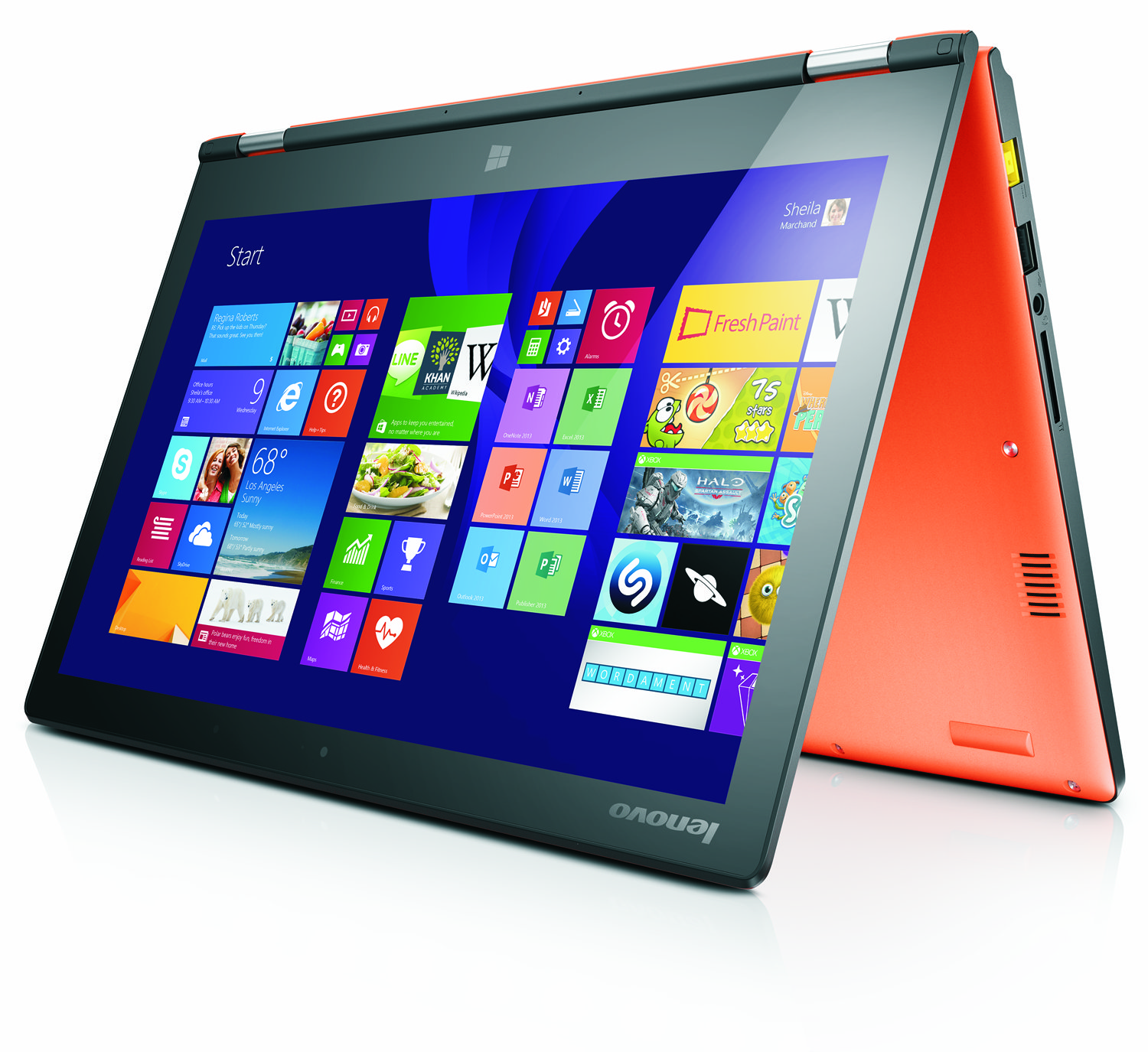 The Lenovo Yoga 2 Pro sits towards the top end of the multimode Ultrabook market and is the latest Lenovo model to enter this space. Lenovo have several ‘multimode’ models in their range but one thing that certainly sets the Yoga 2 Pro apart from the rest of the crowd is the amazing 13.3″ QHD+ display, that’s 3200×1800 pixels!
The Yoga 2 Pro comes in a variety of flavours including Intel i3, i5 or i7 processor, 128GB / 256GB / 512GB SSD and 4GB/8GB RAM. The one we have is the i5 with 256GB SSD and 4GB RAM.
Some of you may know that I already have the Yoga 13 and I use that quite often. The Yoga 2 Pro has a similar footprint to the Yoga 13 but is a little lighter and, as I mentioned above, has an amazing QHD+ display. In the video below I’m doing my best to demonstrate just how good it is!
So check out the video, I’m hands-on with the Yoga 2 Pro and take a look at the hardware before firing up the OS.
Connect
Connect with us on the following social media platforms.