
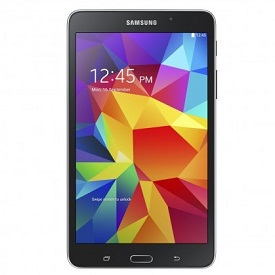
 According to some new intel which popped up this morning, Samsung is gearing up to launch a new line of Galaxy Tab S tablets later this year. These new Android tablets will supposedly feature higher end specs than current models, including features like:
Galaxy Tab S line specification:
- 2560×1600 AMOLED displays (for the 8.4-inch and 10.5-inch models)
- Fingerprint Sensors
- An octa-core Exynos 5 (5420) SoC, including four Cortex A15 cores, four Cortex A9 cores and a Mali T628 GPU
- 3GB of RAM
- 8MP rear camera
- LTE connectivity (when/where applicable)
- IR blaster
Of course, as we have seen in the past, a high-end tablet doesn’t necessarily translate into sales or success for Android. For the most part, it’s the cheaper alternatives which have flourished in Android tablet-land. Everything depends on how aggressively Samsung prices these gadgets.

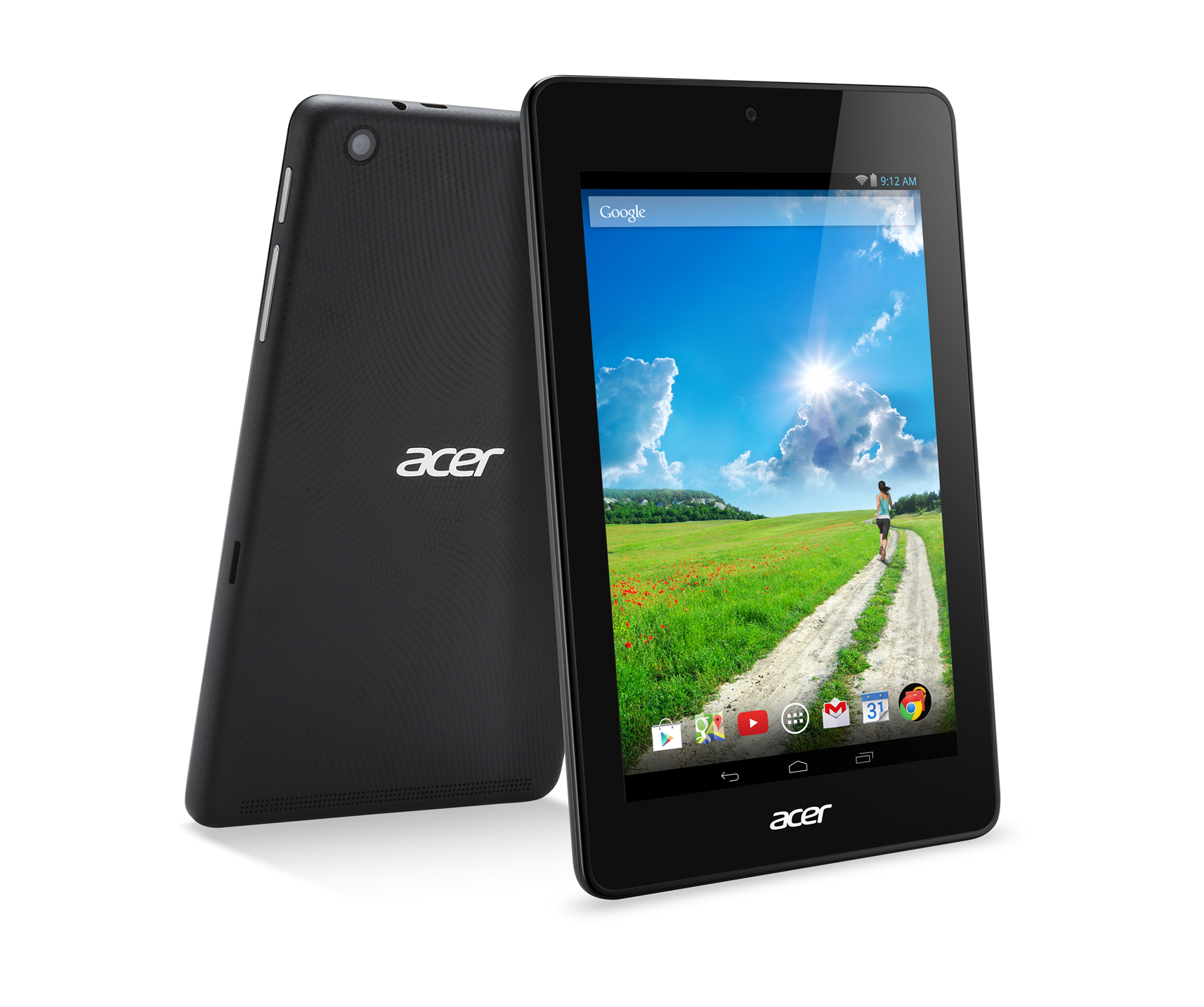 Recently, in New York, Acer announced a few new devices. Amongst them was this low end, wallet friendly slab. The Acer Iconia One 7 is a reasonably priced and stylish alternative for the budget market. Combining an attractive display with a grippy rubberised rear. Priced competitively the One 7 looks like it will be able to handle the rougher lifestyle as the user will have increased grip with the rubber covering alongside a little more protection if dropped.
Whilst the specifications are hardly anything to write home about, there is enough to keep this tablet as a contender. An Intel Atom based Z2560 Dual-core processor running at 1.6ghz should keep most happy along with a modest 1gb of RAM. Both 8gb and 16gb models will be available allowing more storage by way of microSD card expansion. The 7″ IPS display 1280×800 provides a bright front end. However, two cameras, a 2MP rear shooter and 0.3MP front faced, seem quite underwhelming. No details of the battery size have been revealed however 7 hours have been quoted, this will hopefully change one Android 4.4 makes it’s way onto the tablet as it is currently running 4.2.
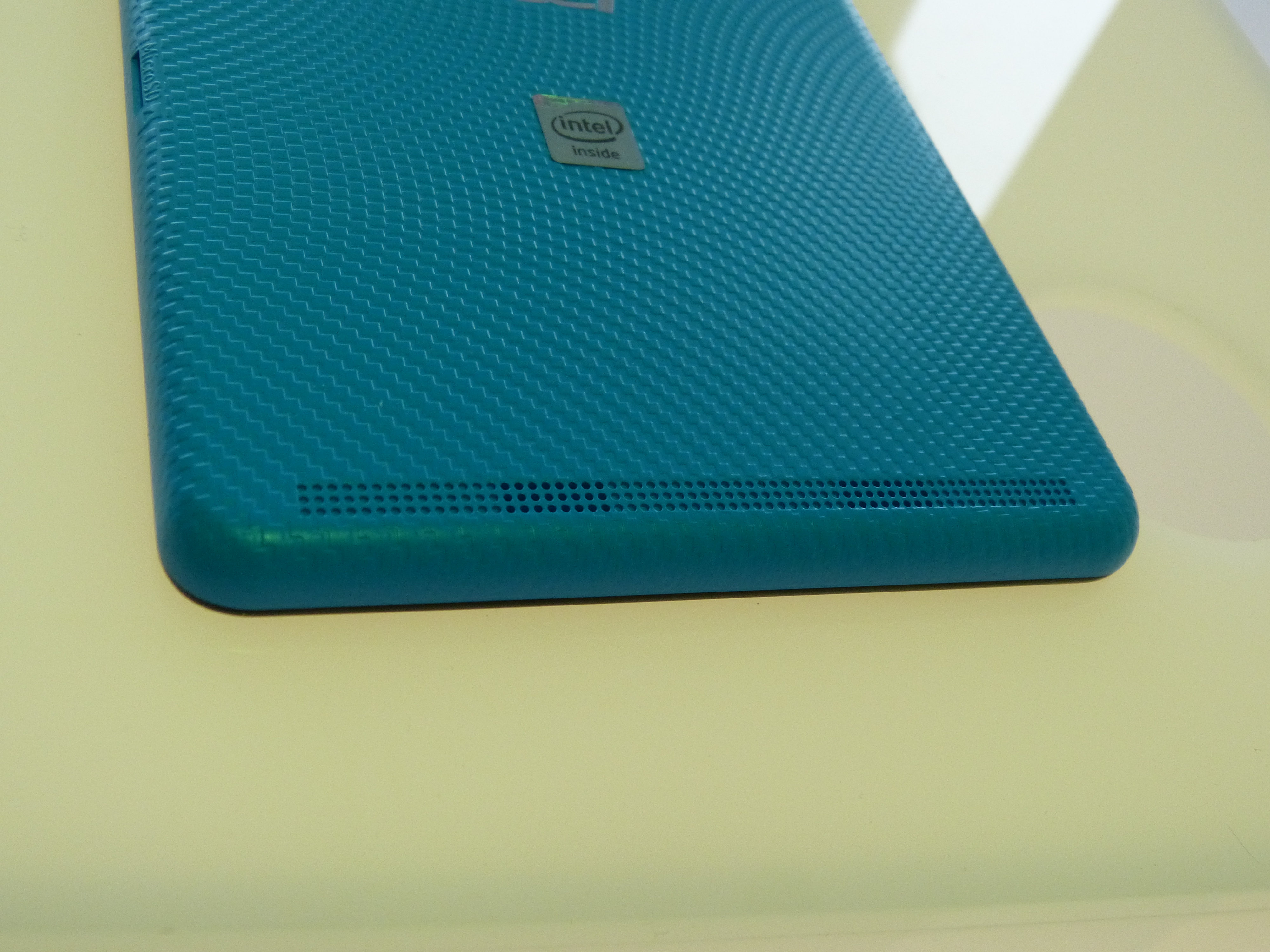
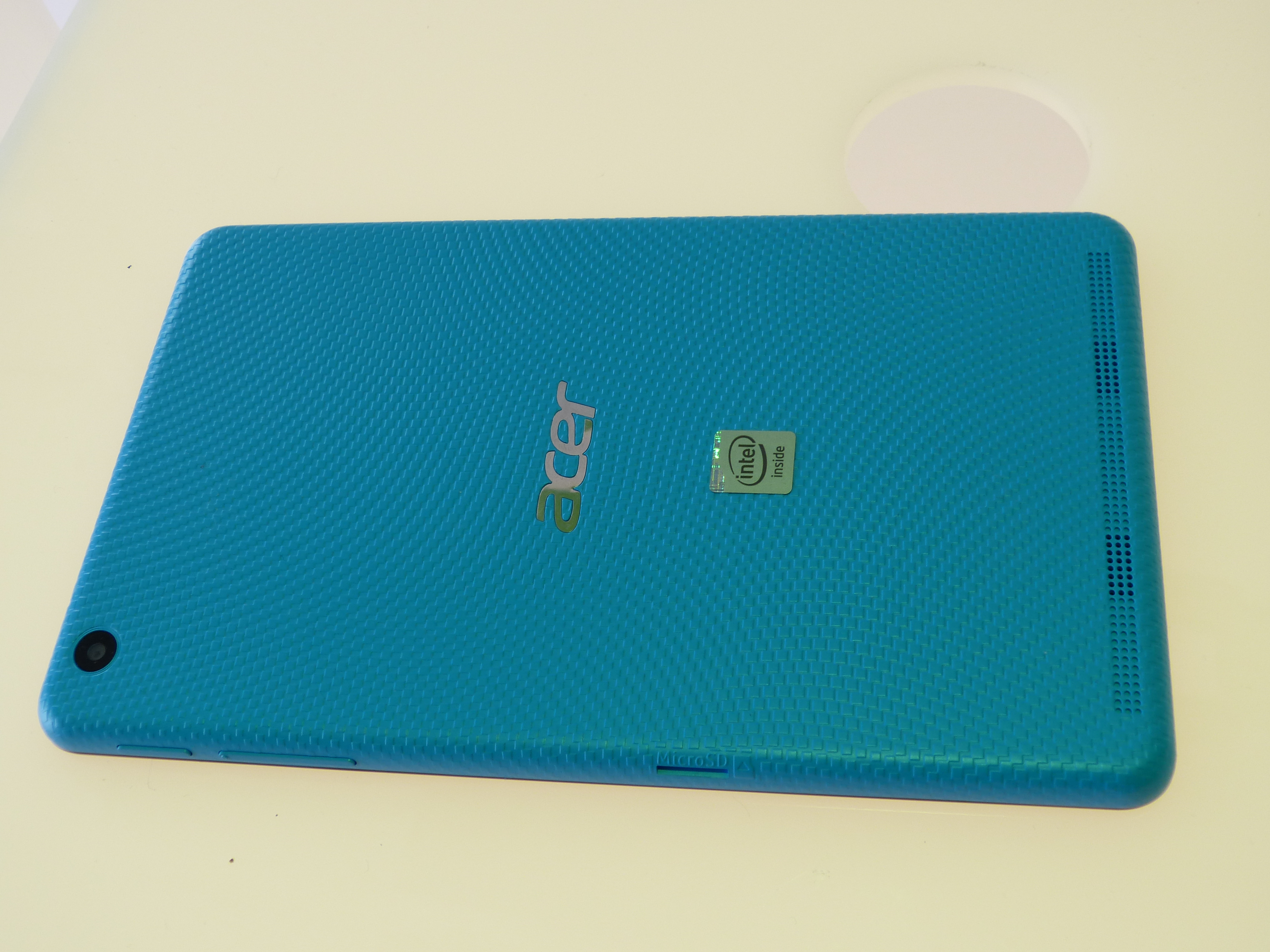
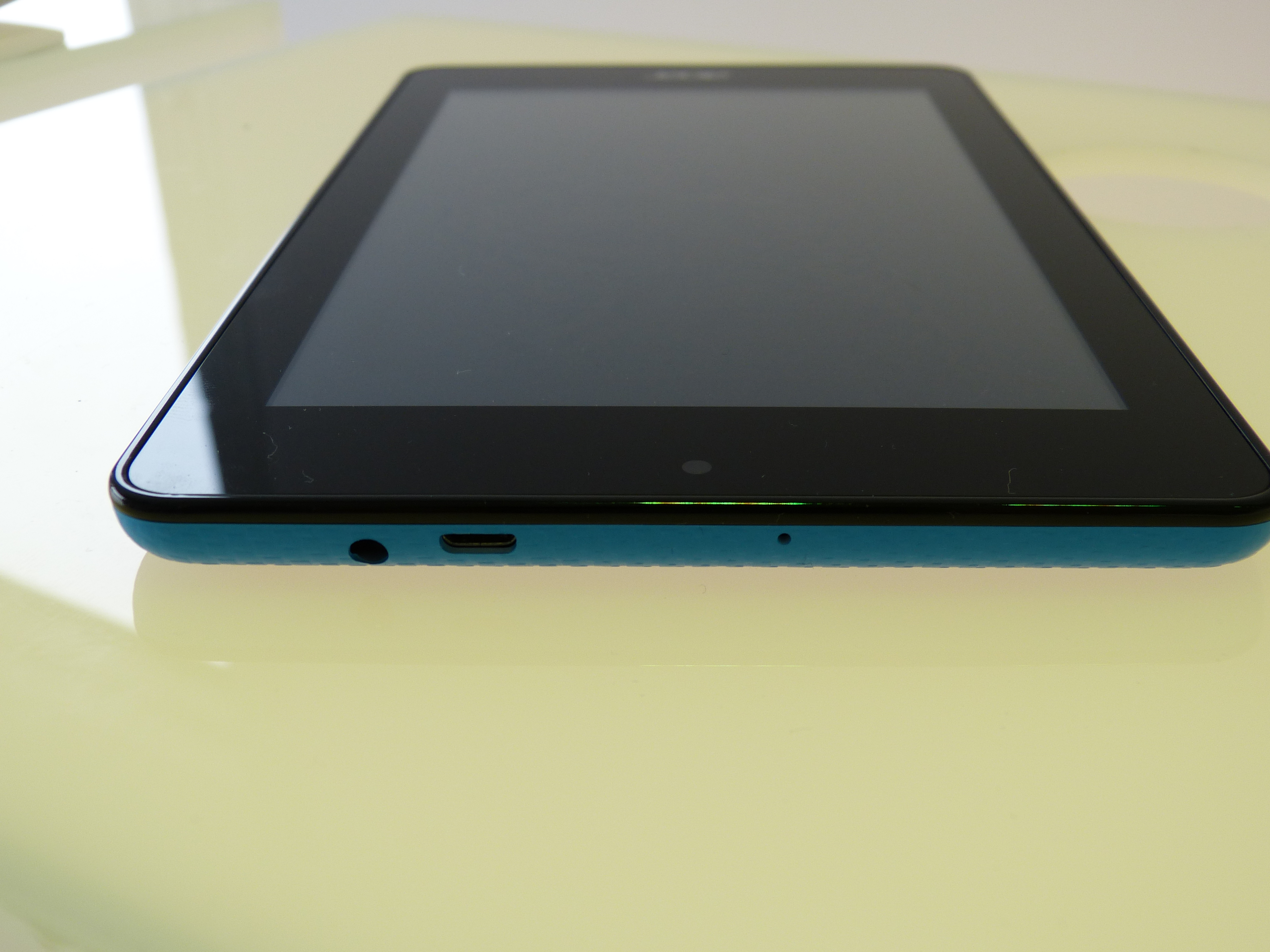
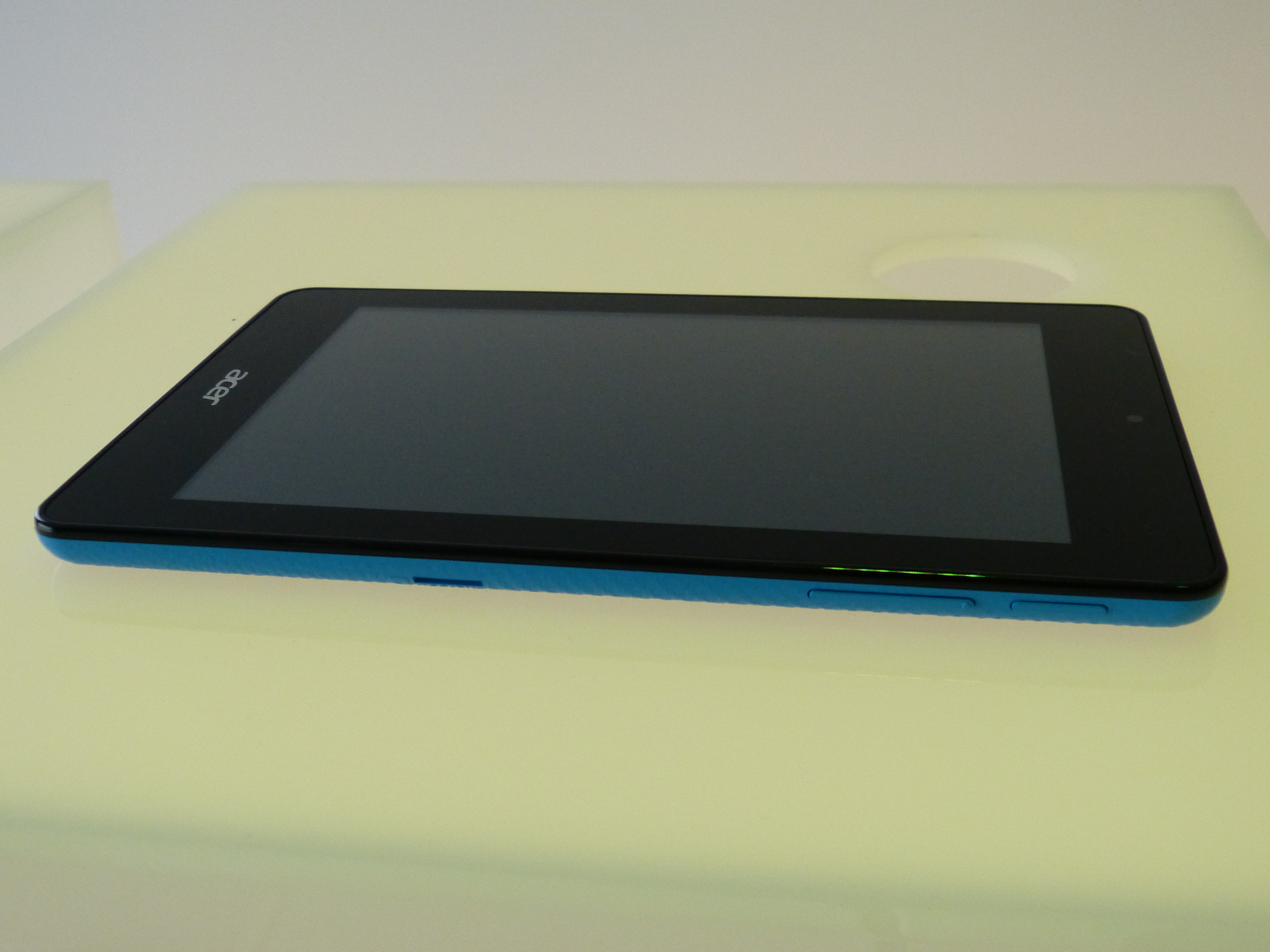
On April 29, 2014 Acer unveiled the Acer Iconia One 7 at its “A Touch More Connected” launch event in New York. The incredibly portable 7-inch tablet, with Intel® dual-core processor, is the ultimate device for anyone who wants to enjoy mobile entertainment in a stylish device with multiple color options. The affordable price makes it even more compelling for families and anyone on a budget.
“Since the beginning, Acer’s mission has been to break down the barriers between people and technology and make the latest technologies accessible to all people,” said Maverick Shih, president of Acer’s BYOC and Tablet Business Group. “The new Iconia One 7 is a great example of how we continue this heritage by offering mobile devices with great functionality, unique designs and excellent value.”
“Congratulations to Acer on delivering the Intel Atom-powered Acer Iconia One 7 to market. It offers superb gaming and entertainment performance, long battery life and a sleek form factor,” said Hermann Eul, vice president and general manager of Intel’s Mobile and Communications Group. “We look forward to continuing our close work with Acer to bring additional innovative mobile devices to market that meet the ever-increasing demands of today’s consumers.”Smooth motion and true-to-life visuals
Games and video run smoothly on the Acer Iconia One 7 thanks to the Intel® Atom™ Z2560 processor. The 7-inch LED-backlit display has 1280×800 HD resolution and IPS(1) technology to ensure games, websites, e-books and all visuals are clear and vibrant. The 16:10 display is the ideal format for video, and users can enjoy up to 7 hours battery life(3) when viewing 720p video. It runs on Android 4.2 (Jelly Bean), upgradeable to Android 4.4 (KitKat).Design to be seen
The Acer Iconia One 7 comes in a wide-array of delightful color options(2) to suit any lifestyle including, but not limited to, red, white, black, blue and pink. The rear case features a sophisticated textured pattern that gives it a unique look and feel while also providing anti-slip properties for a comfortable and reliable grip. The slim profile of the Iconia One 7 not only makes it stylish, but also easy to use on-the-go with a single hand. It measures just 8.9 mm (0.35 inches) thin and is a lightweight mobile companion that is fun to use and share.
The Iconia One 7 is also equipped with front and rear cameras for capturing all the most important moments, two speakers for clearer audio, and MicroSD™ card slot that allows for extended storage and easy sharing. For further storage expansion, users can take advantage of AcerCloud™ and enjoy seamless sharing of videos, photos, music and documents across multiple devices.Pricing and availability
The Acer Iconia One 7 will be available in Pan American markets at the end of June with prices starting at US$129.99; in Europe, Middle East and Africa middle of May with prices starting at €139.
 Gareth is back with another round of news from the UK mobile phone and tablet scene. This week Acer debuts new devices in New York, the Samsung Galaxy S5 is unboxed, the LG G3 leaks and the first image of the Amazon phone arrives.

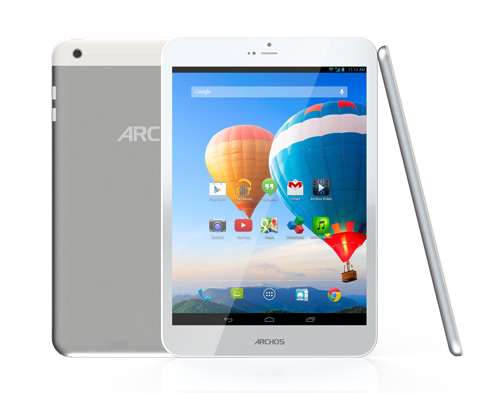 It may look like an iPad Mini however the Archos 79 Xenon falls at the other end of the price spectrum. At £170 the Archos 79 Xenon is a good looking, good feeling Android tablet with a few eyebrow-raising specs.
This is one tablet to check out if you are looking for a cheap second option, one for the kids or family member who isn’t terribly fussy.
Archos 79 Xenon review specification:
Processor
- A7 Quad-Core 1.2GHz
Memory
- 1GB DDR3 RAM
- 8GB Flash
- Expandable to 64GB
Software
- Operating system: Android 4.2 (Jelly Bean)
- Google Maps,
- Google Maps Navigation (beta)
Display
- 7.85″ IPS TFT Multi Touch
- Resolution: 1024 x 768
Multimedia
- Supported Digital Video Formats: MPEG-4,AVI,H.264
- Audio: Microphone, stereo speakers
- Supported Digital Audio Formats: MP3,WAV,OGG,FLAC,Vorbis,PCM,ADPCM
Networking
- Cellular Technology 3G
- Cellular Protocols HSPA
- Wireless Connectivity Bluetooth,Wi-Fi
Power Supply
- Lithium polymer Battery
Dimensions
- Width 13.4 cm
- Depth 0.8 cm
- Height 20 cm
- Weight 320 g
Interfaces
- 1 x microSD
- 1 x SIM card
- 1 x headphones
- 1 x Micro-USB
Archos 79 Xenon review video:
Go online anywhere with the ARCHOS 79 Xenon – specially designed for an on-the-go experience with both 3G and WiFi. Un-Sim-locked it accepts any 3G Sim card and has no provider restrictions.
The ARCHOS 79 Xenon features a powerful Quad-core processor and runs Android Jelly Bean with complete access to Google Play and all the Google Mobile Applications.
NB: This Archos 79 Xenon review is the first of our new video-review format. There’s a bit of work to be done yet but let us know what you think!

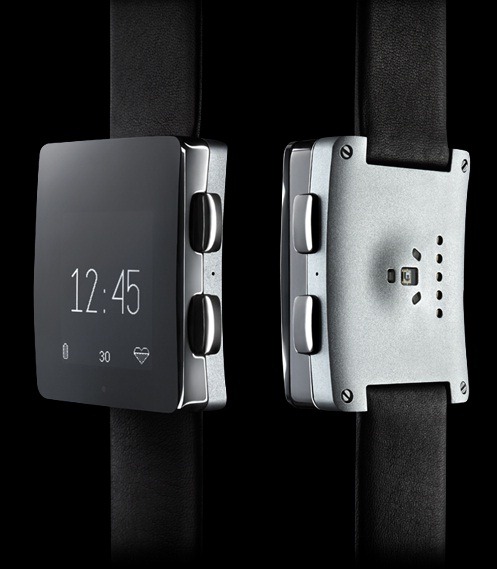 Windows Phone is joining the Smartwatch mob. Wellograph are releasing a Windows Phone 8.1 compatible smartwatch with a sapphire crystal display. The Wellograph watch features a heart rate monitor, activity tracker, and running watch.
The official app will be optimized for Windows Phone 8.1, and syncs directly to the Wellograph watch, transferring all data over Bluetooth. The Windows Phone app will utilise the operating system’s most unique feature Live Tiles, allowing users to see information such as total steps and exercise score directly on the phone’s Start screen. The company will make an official Wellograph app for Windows Phone 8.1 available alongside both an iOS and Android app.
Nick Warnock, president of Wellograph, Inc says
We’re excited to be bringing Wellograph to the millions of users who love and enjoy their Windows Phones. Wellograph represents the first fitness tracking device dedicated to Windows Phone users and we’re committed to supporting our customers using the growing platform.

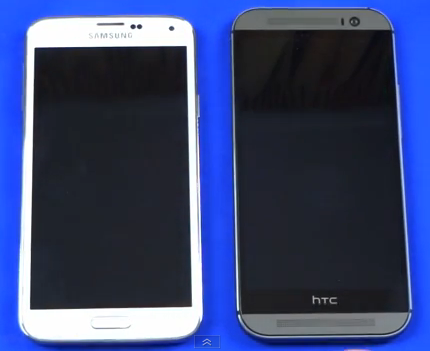 Although it’s quite a controversial topic, then benchmark performance of new devices always attracts a lot of interest.
At the moment, the two top Android phones are the HTC One (M8) and the Samsung Galaxy S5. In theory, the Galaxy S5 should be ahead of the M8, in terms of performance at least. The S5 has a 2.5GHz quad-core CPU whereas the M8 has a 2.3GHz quad-core CPU. Both run the Qualcomm 801 chipset and have 2GB RAM but the extra clock speed that the S5 has should definitely give it the edge.
There have been lots of Tweets and blog posts elsewhere questioning the performance of the Galaxy S5 and comments like “What’s up with the Galaxy S5 performance ?” seem not to be uncommon.
In the video below you can see me running a benchmark test on the Galaxy S5, side-by-side with the HTC One (M8). The results may surprise you…!

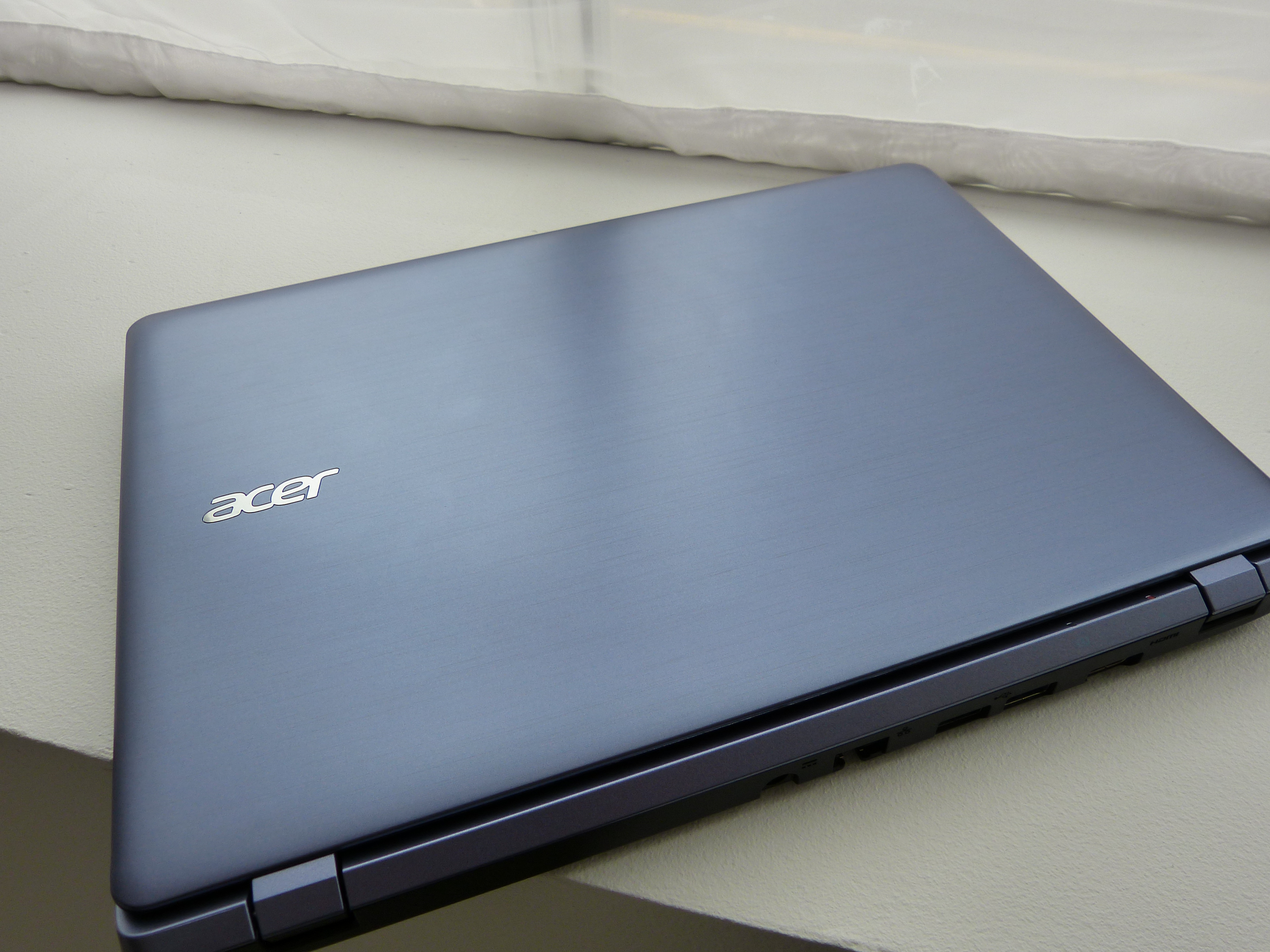
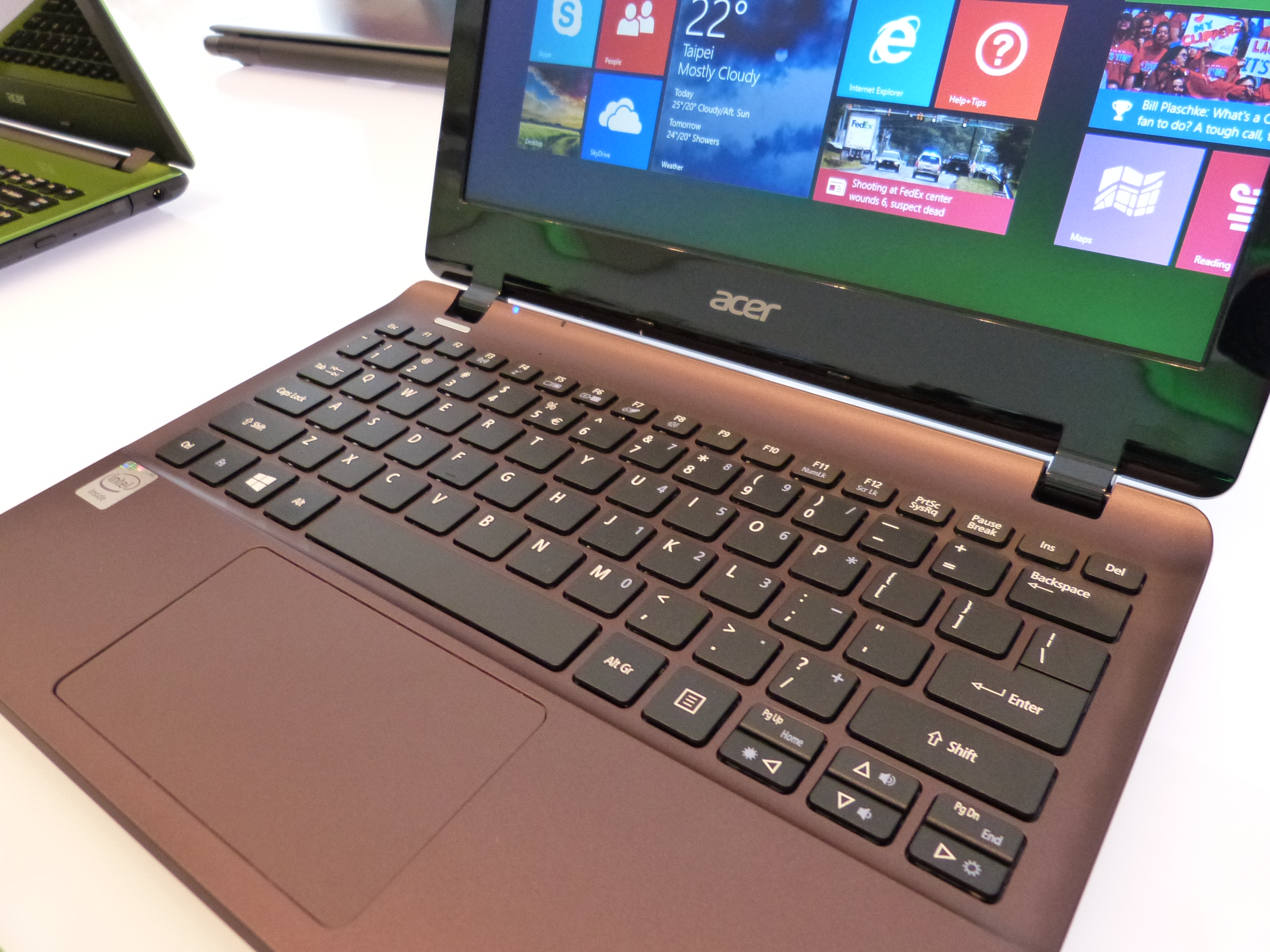
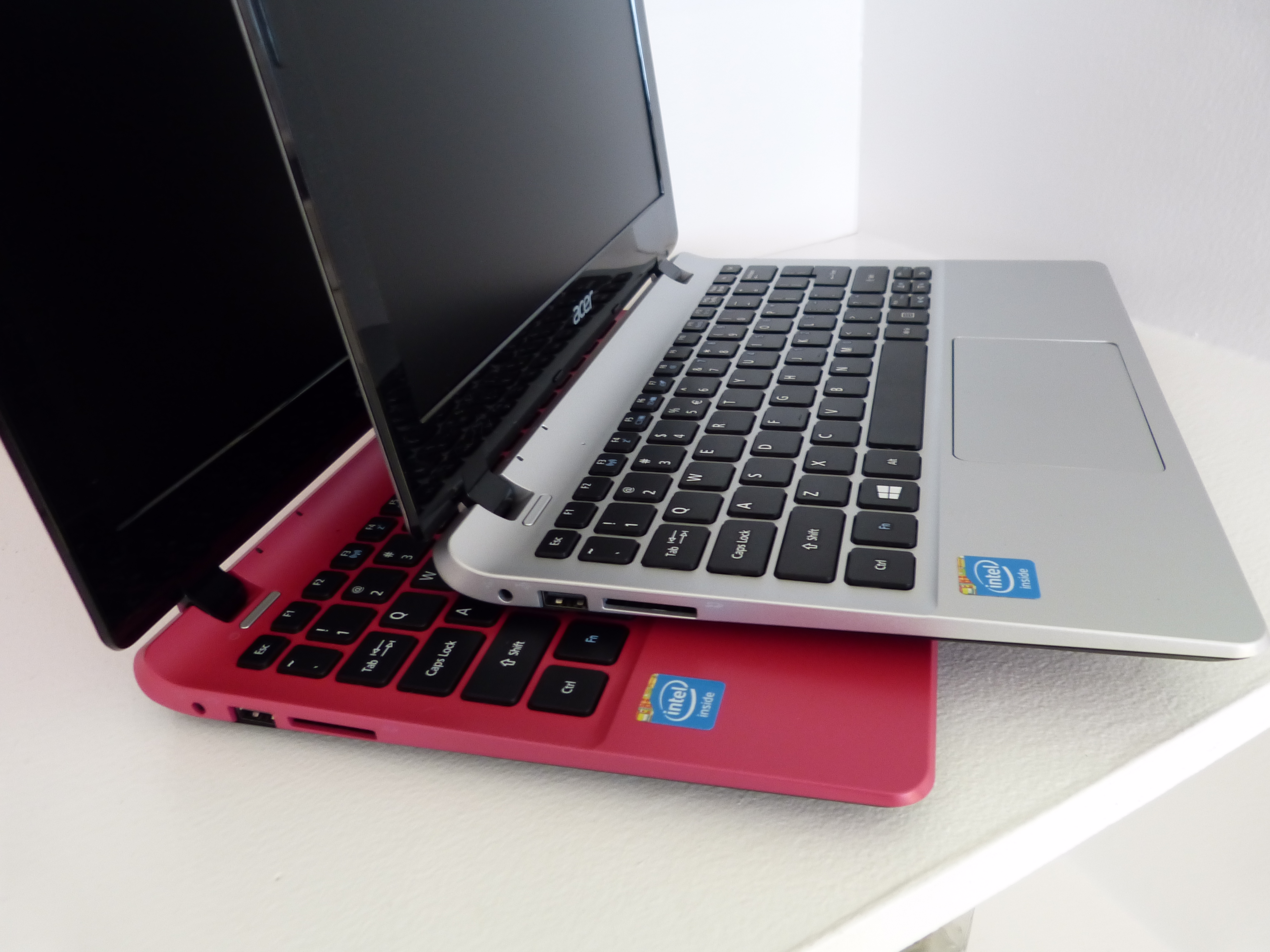 Amongst a slew of new laptop’s Acer have added to their road map are a couple of interesting little 11″ Windows 8 machines. The Acer Aspire E 11 and V 11 are distinctively designed laptops with a very small footprint.
Powered by an Intel Pentium with the option of up to 8gb of memory and various storage options too from 320gb all the way up to 1tb. Unlike the smaller Aspire E 11 the V manages 2 extra hours of battery life at 7 hours and a full touchscreen experience.
The V11 has a rather distinguishing rear end curve to distinguish it from the rest and operates without a fan.
The E11 and V 11 have been priced at $269.99, no UK pricing has been made available.

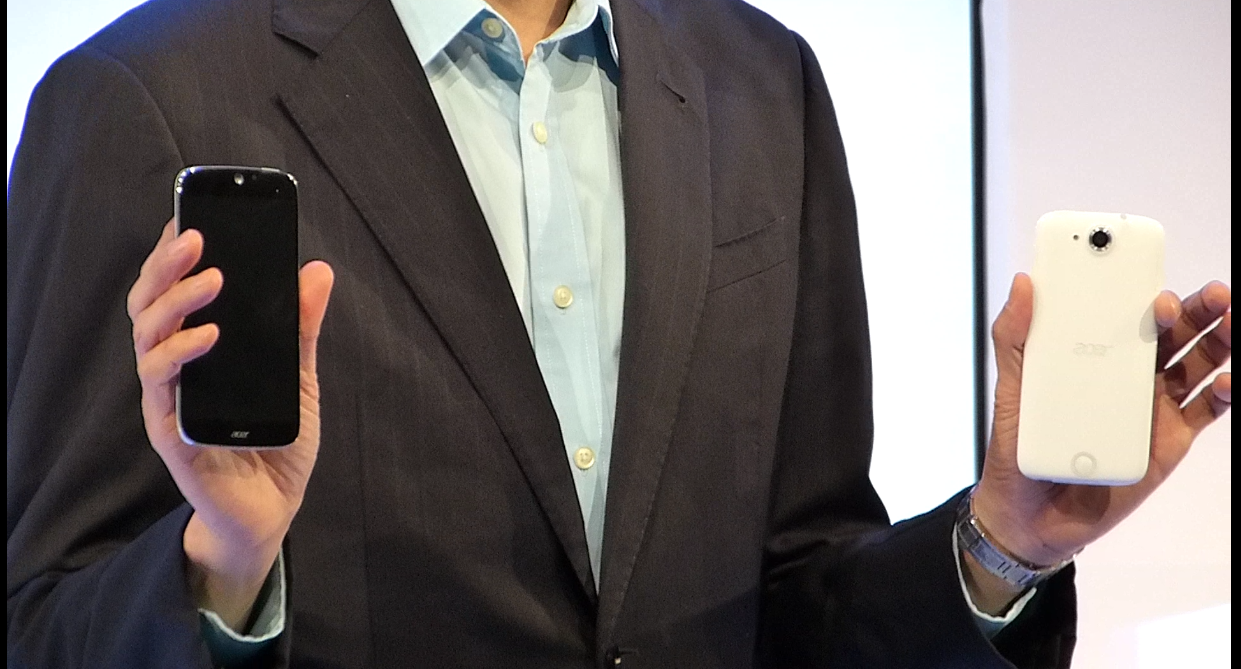
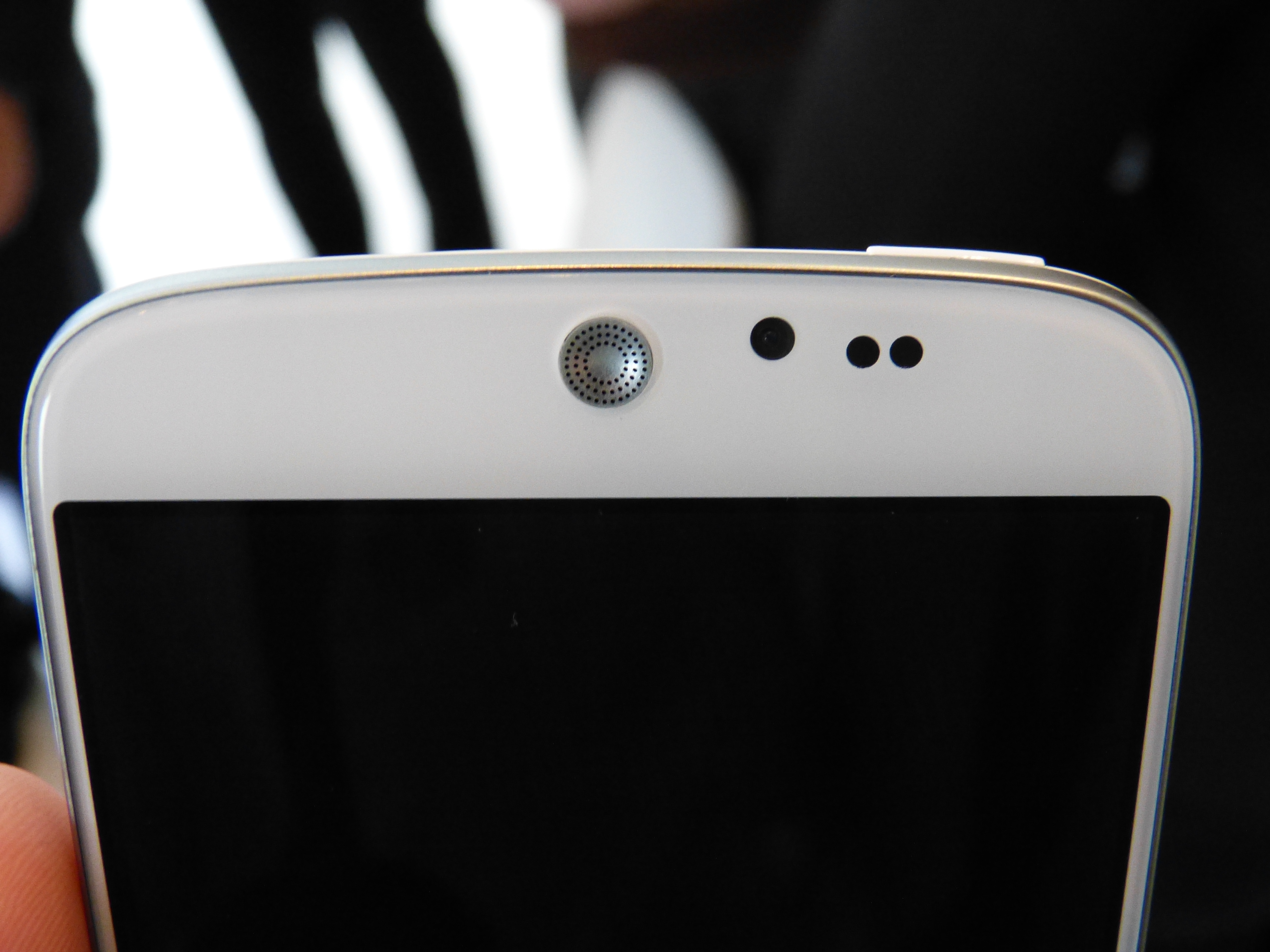
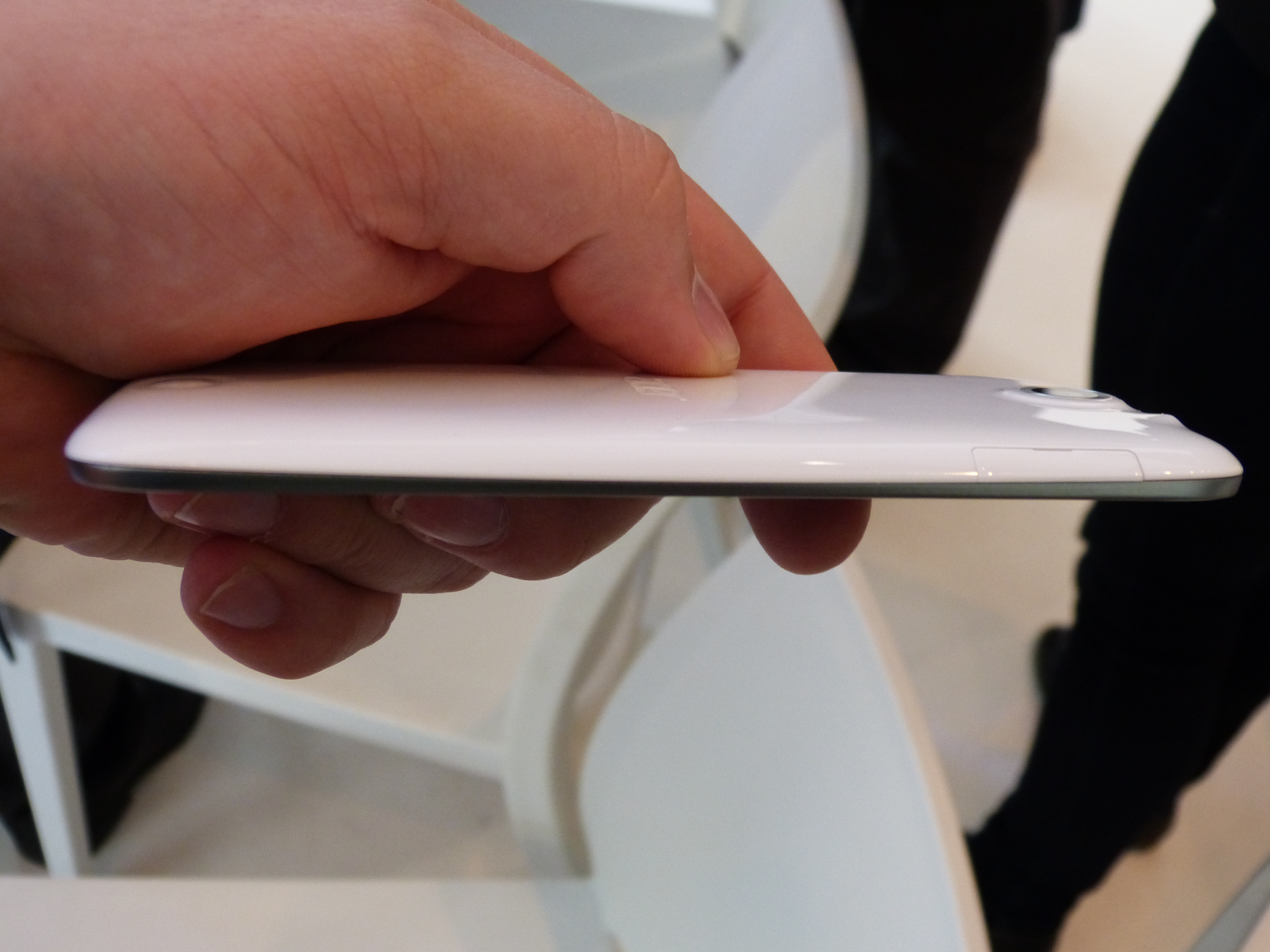
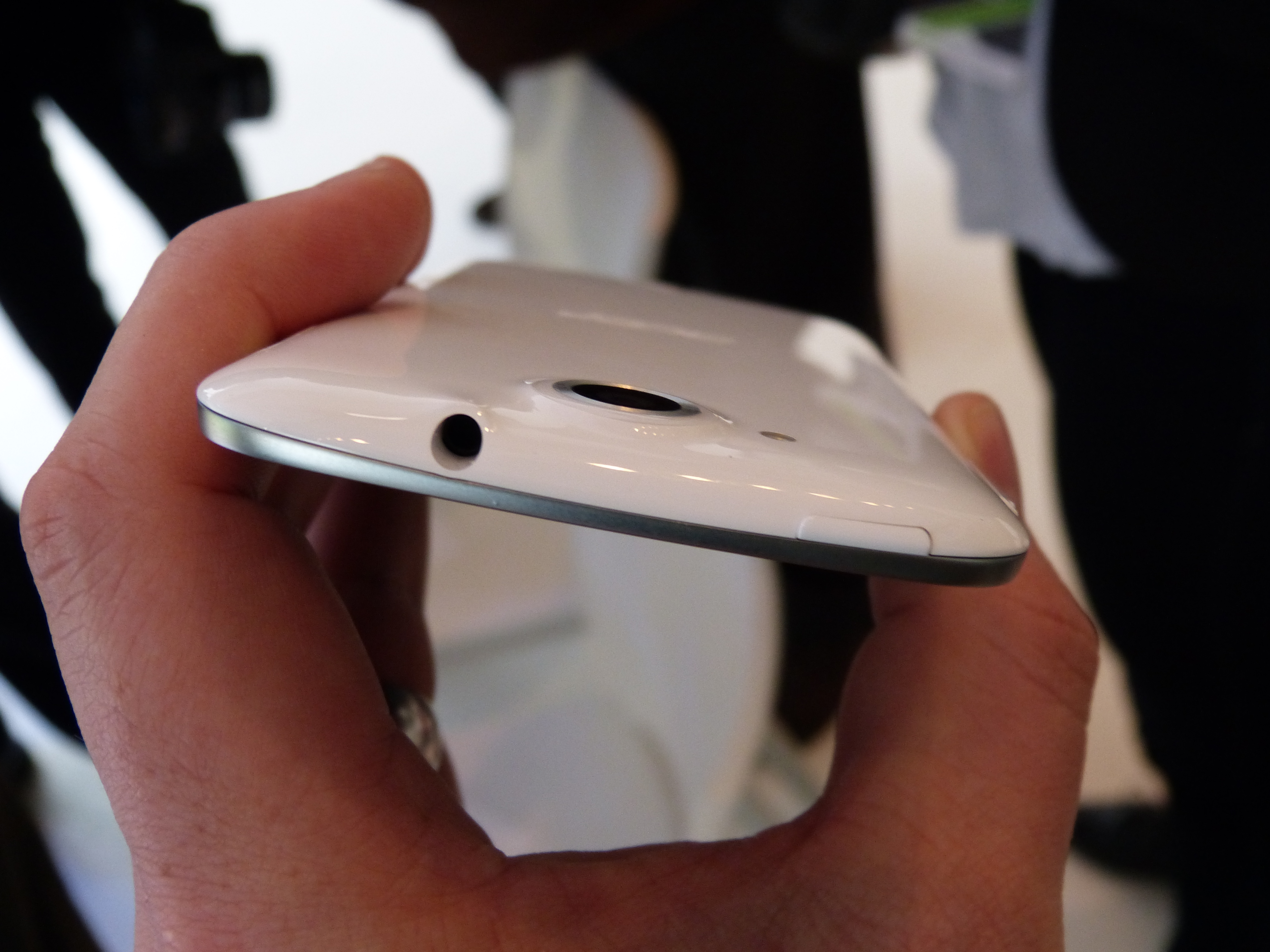
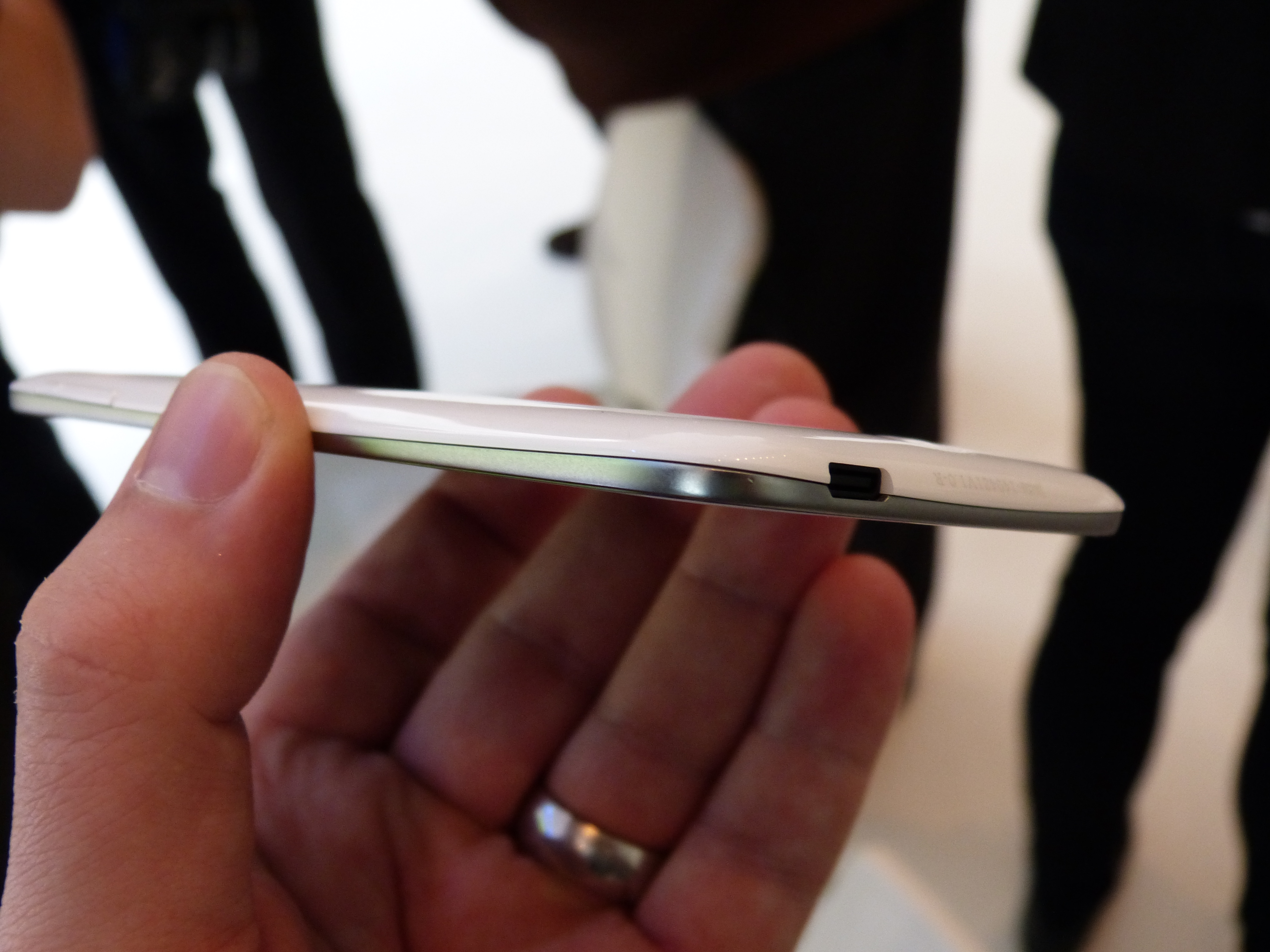
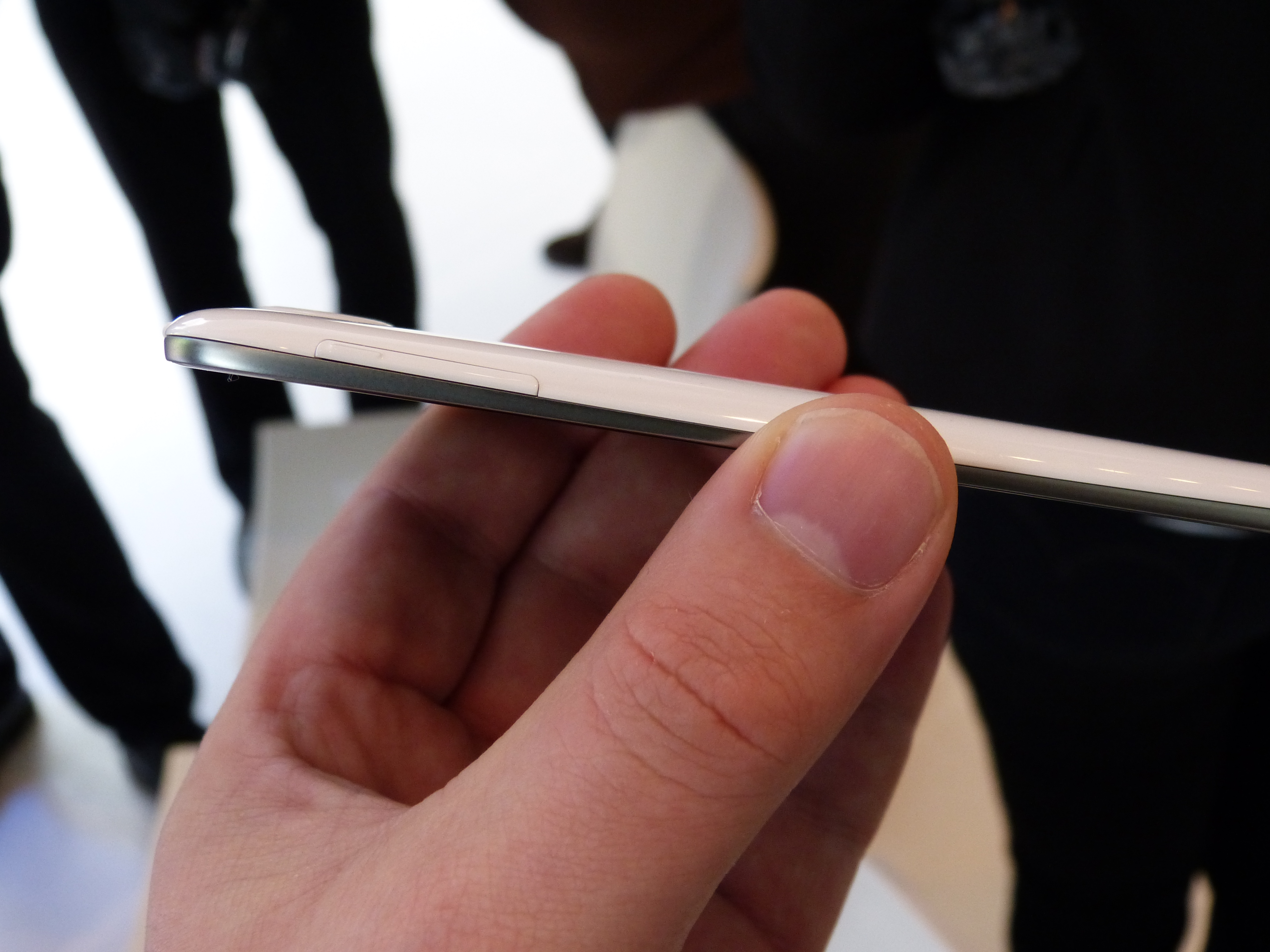
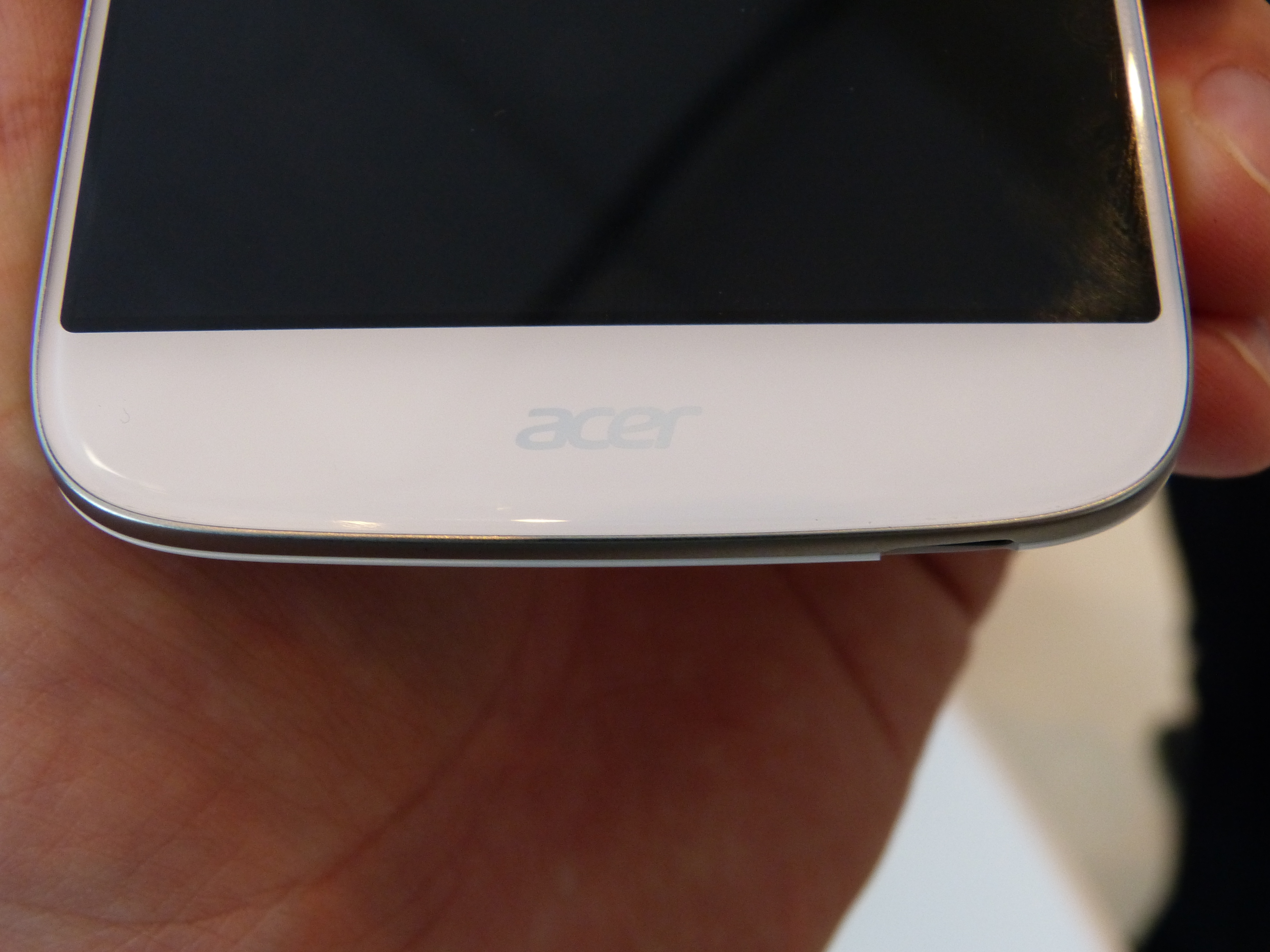
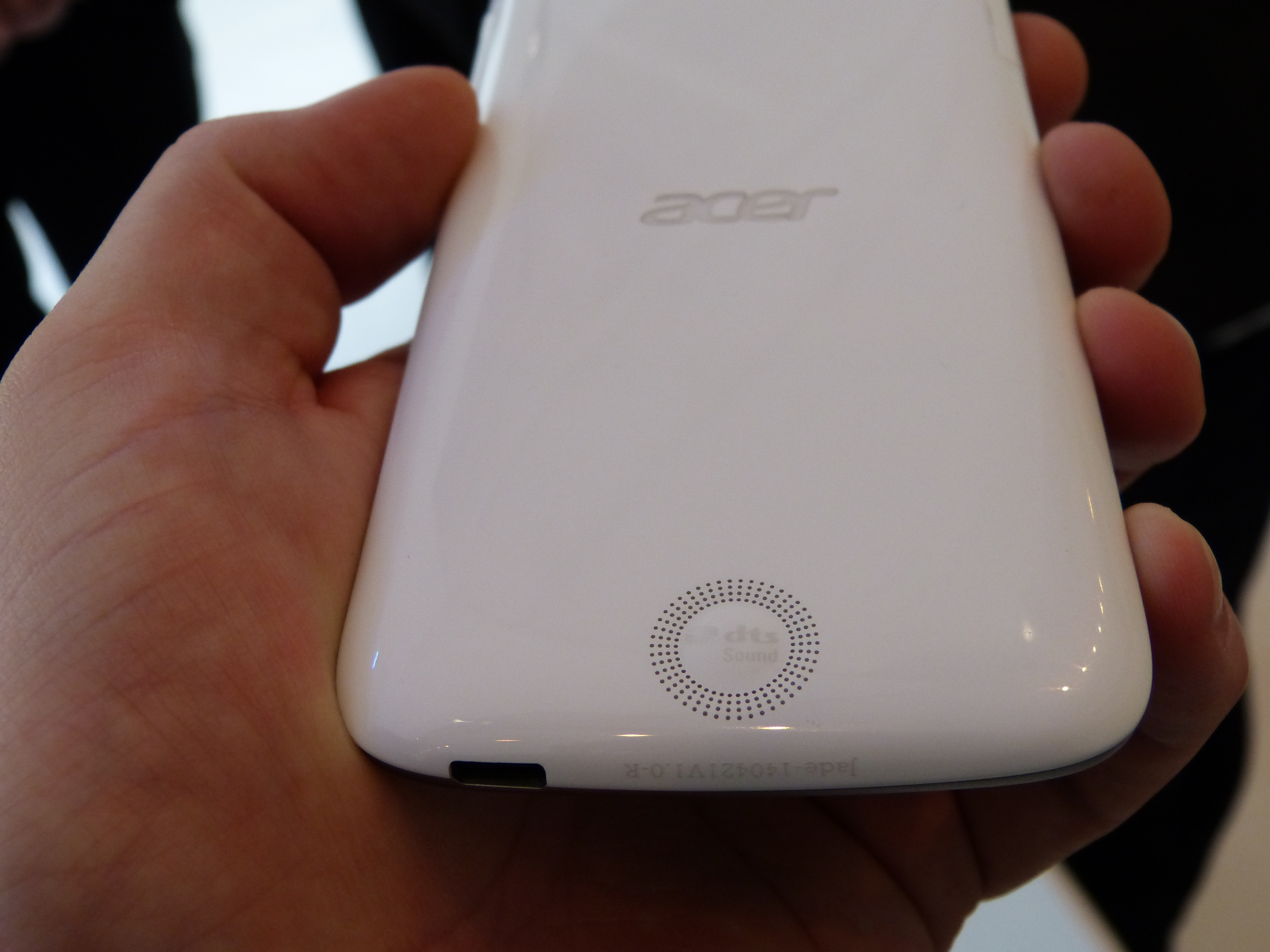
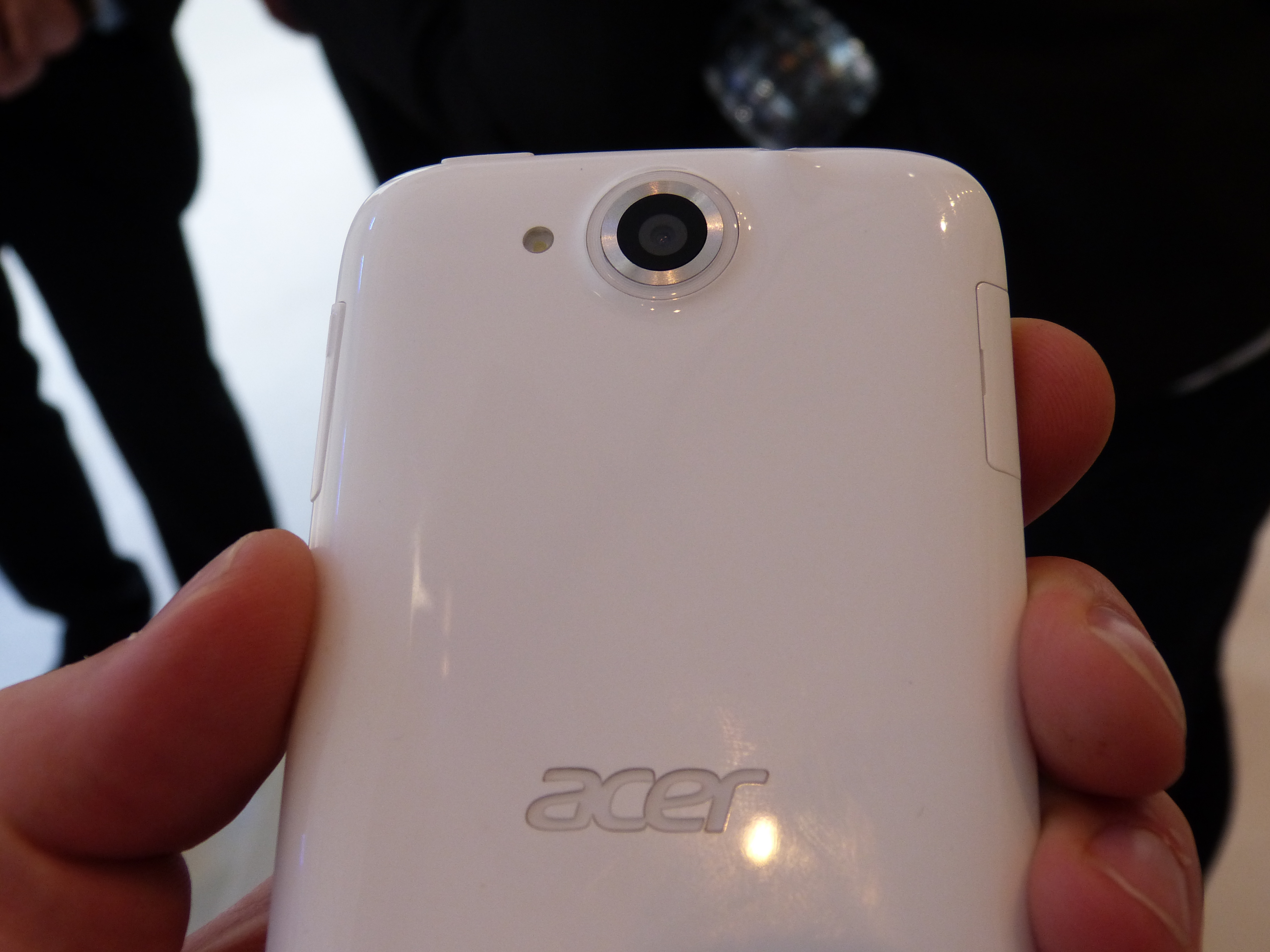
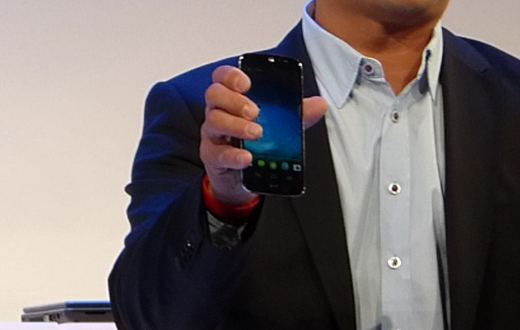 Today at and international Press conference Acer announced they would be release a new phone fairly soon with a bundled goodie, a smart wearable. The Liquid Jade looks to be one of the thinest phones on the market, we actually had a little hands on with the phone that Acer did not reveal a release date for. The Jade is to have Gorilla Glass for protection and no straight edges meaning the device is entirely curved. Two colours were on display with several more being planned.
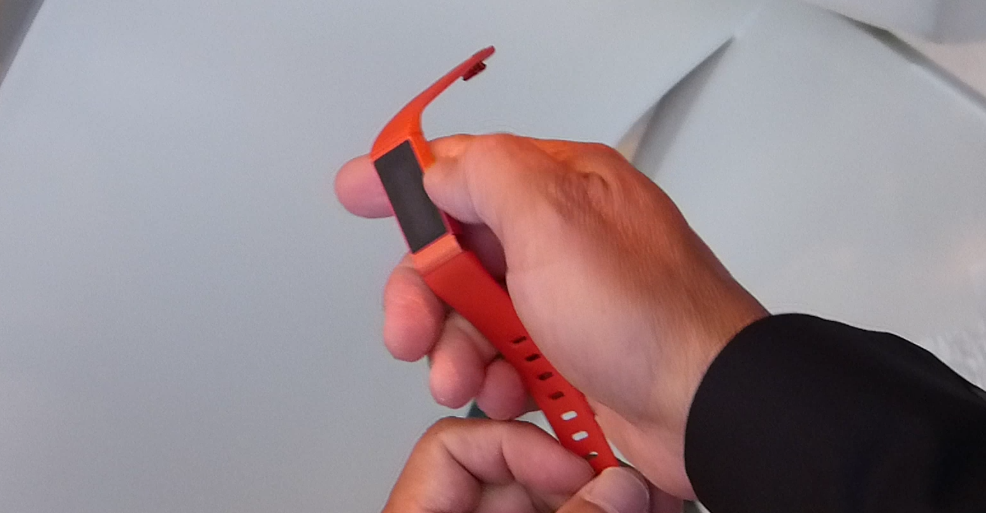
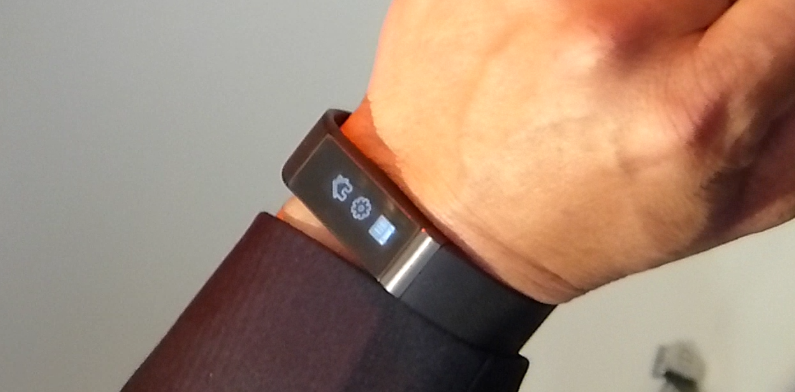
Bundled with the Liquid Jade is the Liquid Leap, a wearable that promises to show fitness information alongside notifications sent from your phone smartphone. There was no confirmation if the smartwatch would be compatible with other devices, or sold separately.
Looking around the Jade:

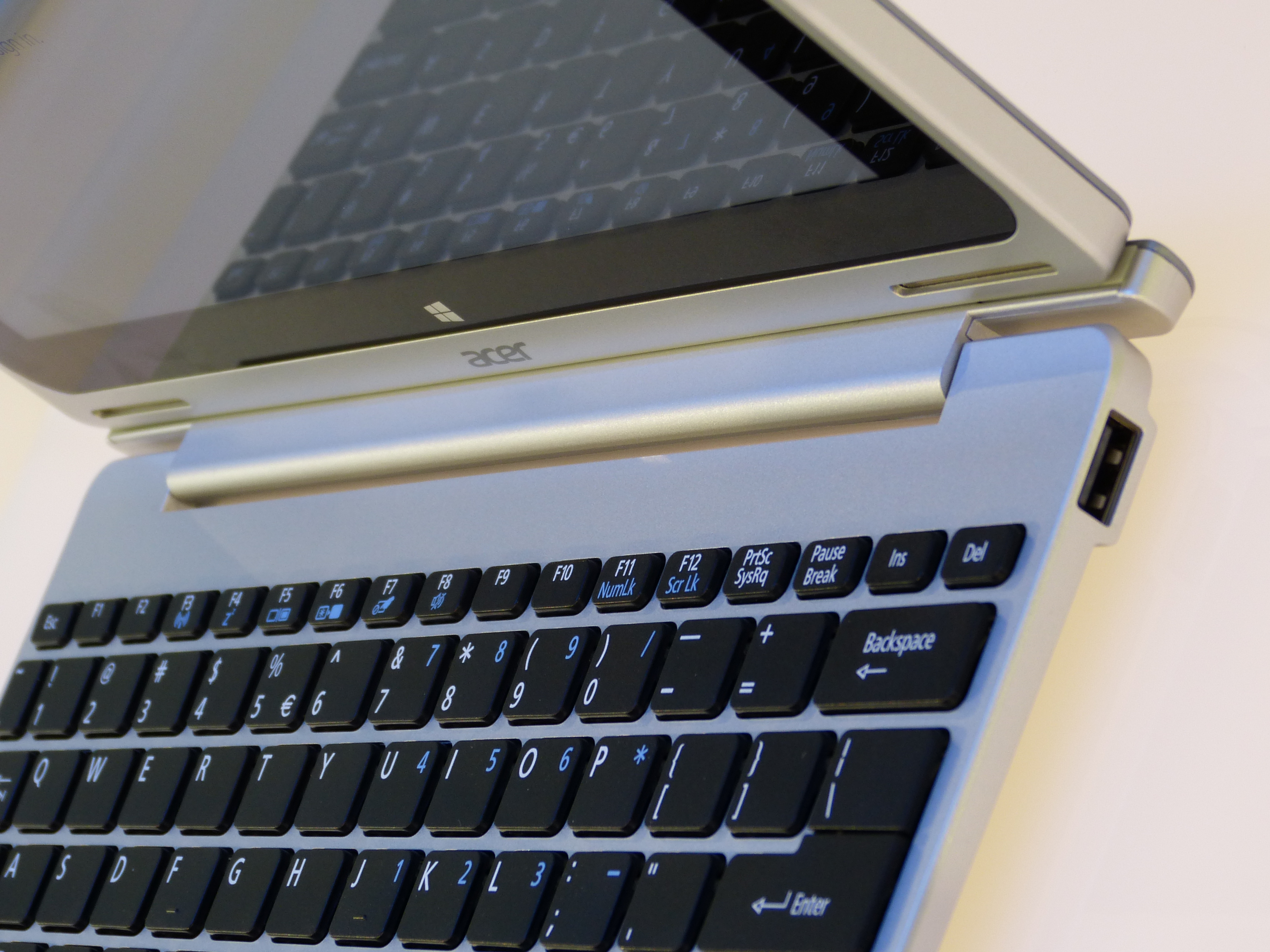 The star of Acer’s global press conference today was the launch of the Acer Apsire Switch 10, a Windows 8.1 tablet with clip on keyboard. The most exciting aspect of this is the “Snap hinge,” this would really feels durable without being overly heavy. Others have tried this in the past however Acer looks to have nailed it with the combination of two exposed clips and some heavy magnets that hold everything snugly together.
In addition to this Acer are also bragging of the 10″ display featuring a “Zero Air Gap” meaning there is no gap between the display and the protective plastic over the top allowing for a better viewing angle and less glare from sunlight. Running on an Intel Atom Z3745 quad-core processor with 2GB of RAM performance seemed pretty snappy. You have the choice of 32 or 64GB of storage.
Like many multi-positional devices before it, the Switch 10 can switch into four typical forms, laptop, tablet, tent and stand.
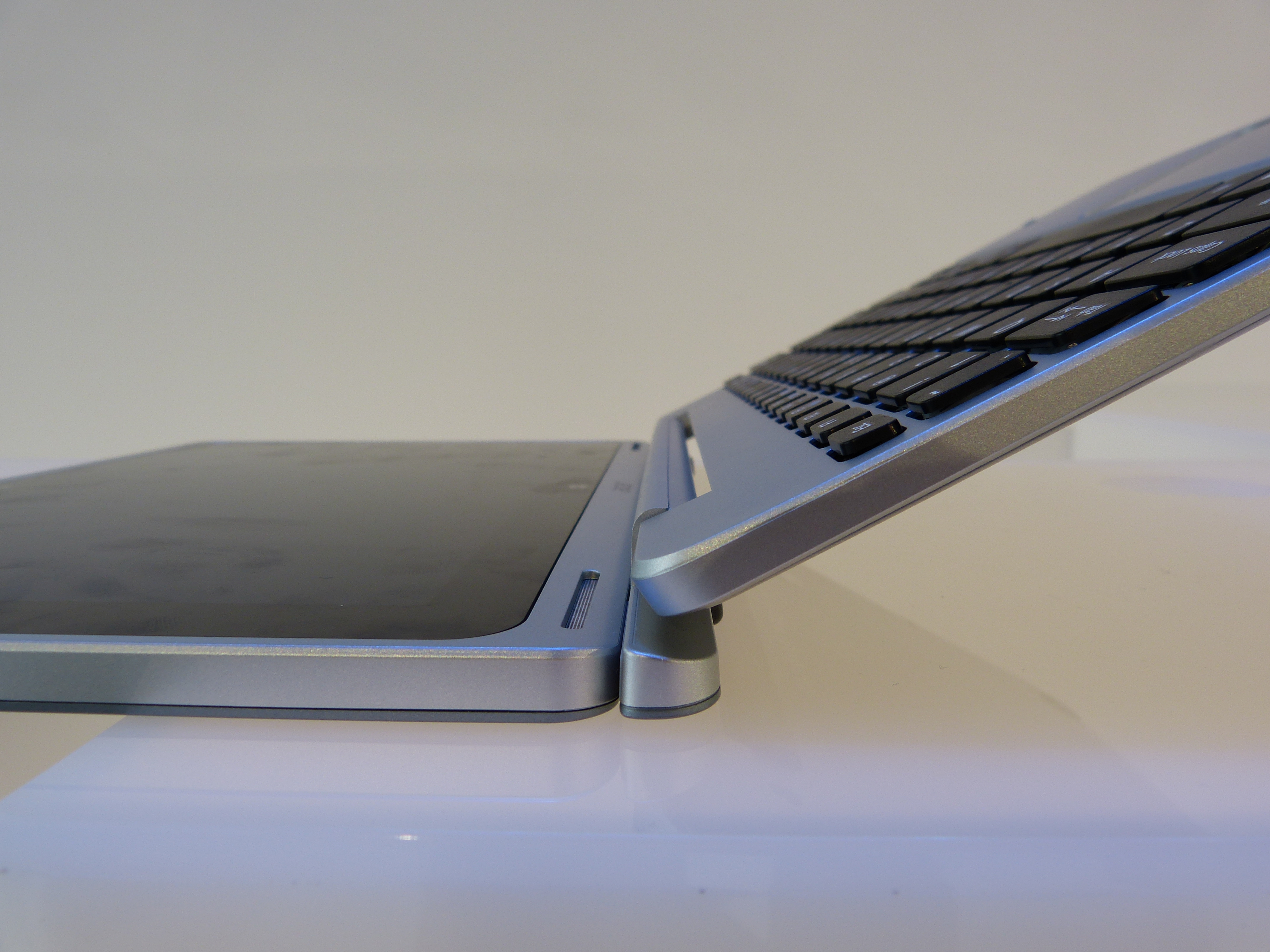
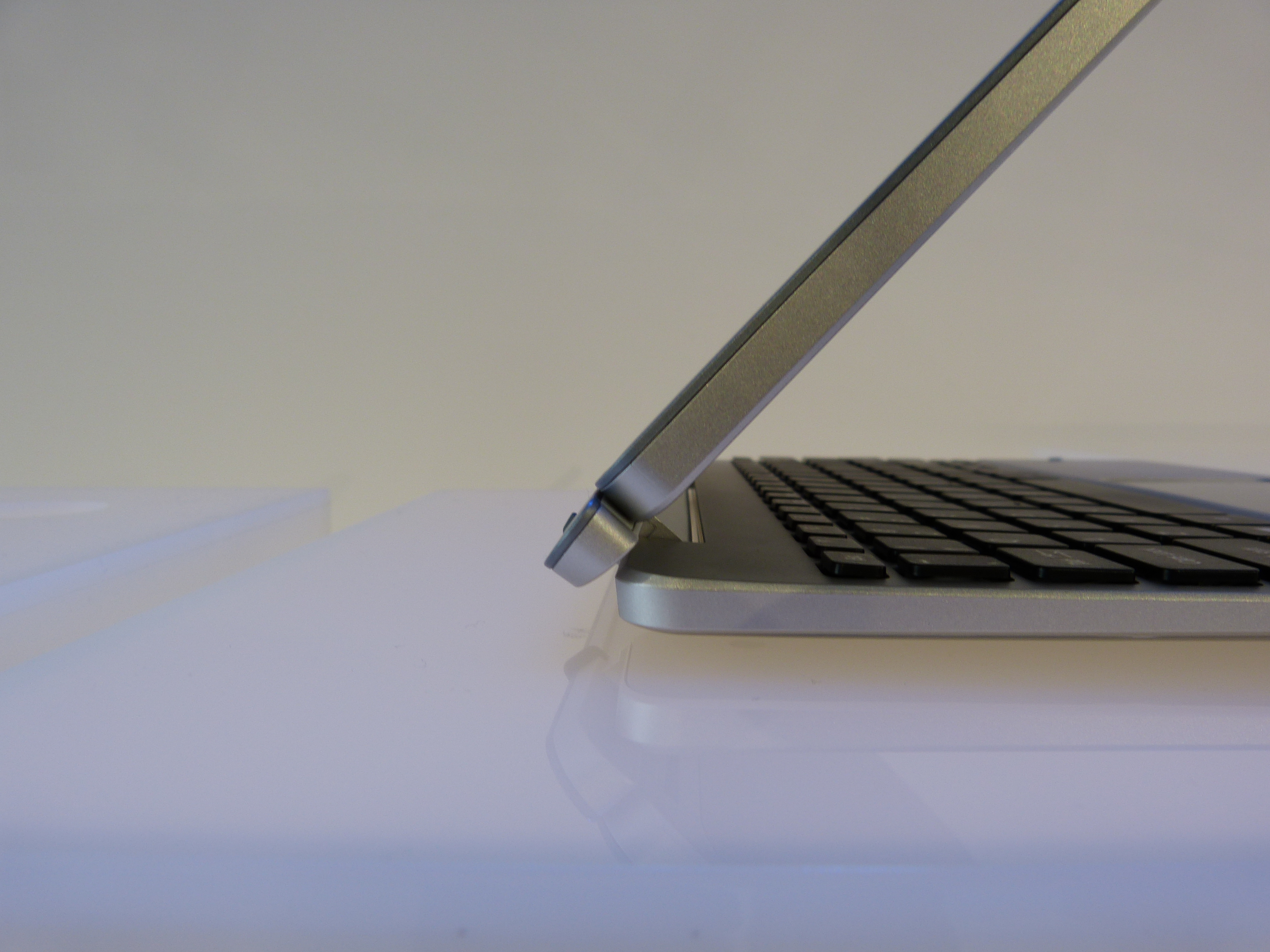
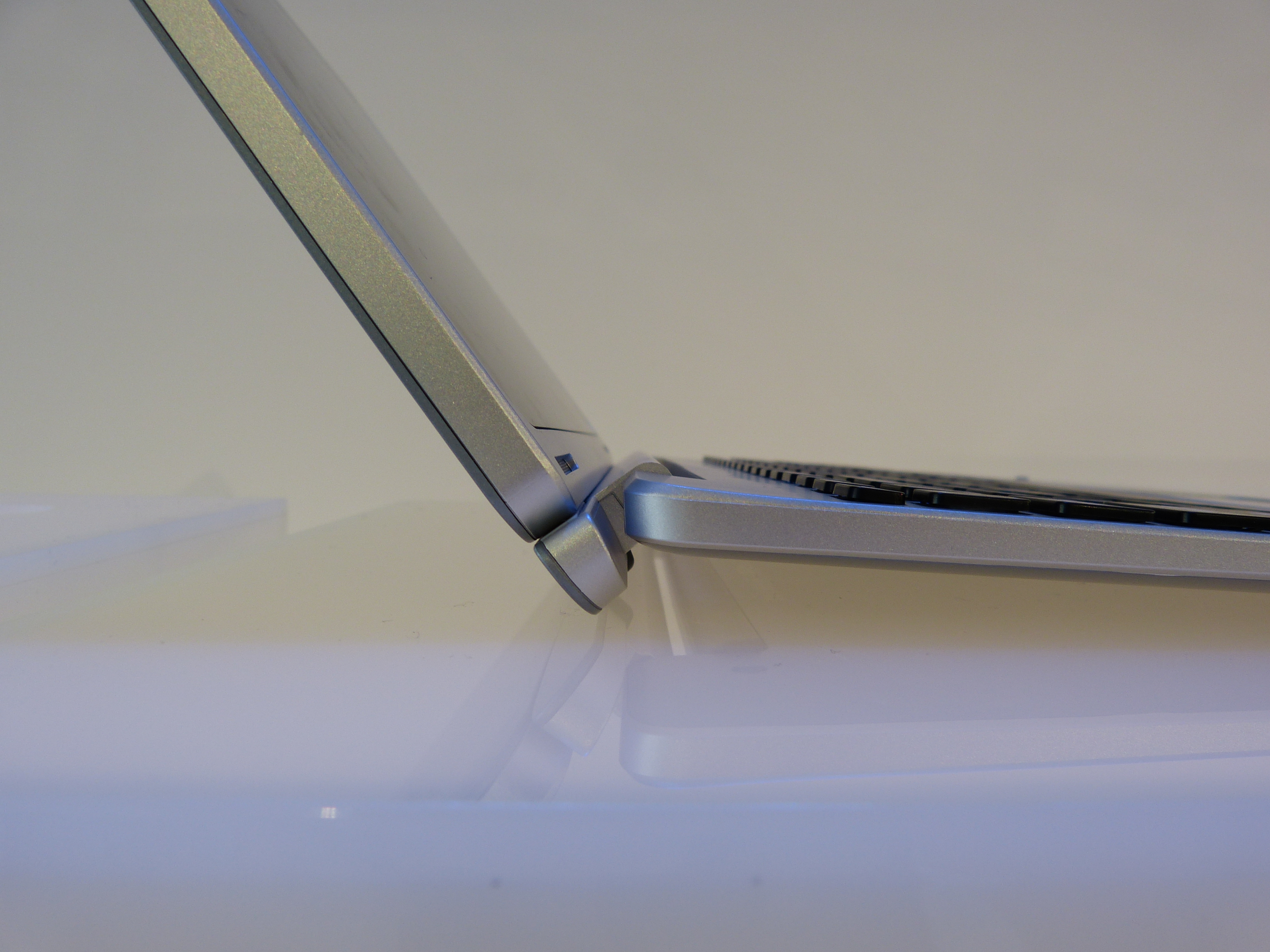
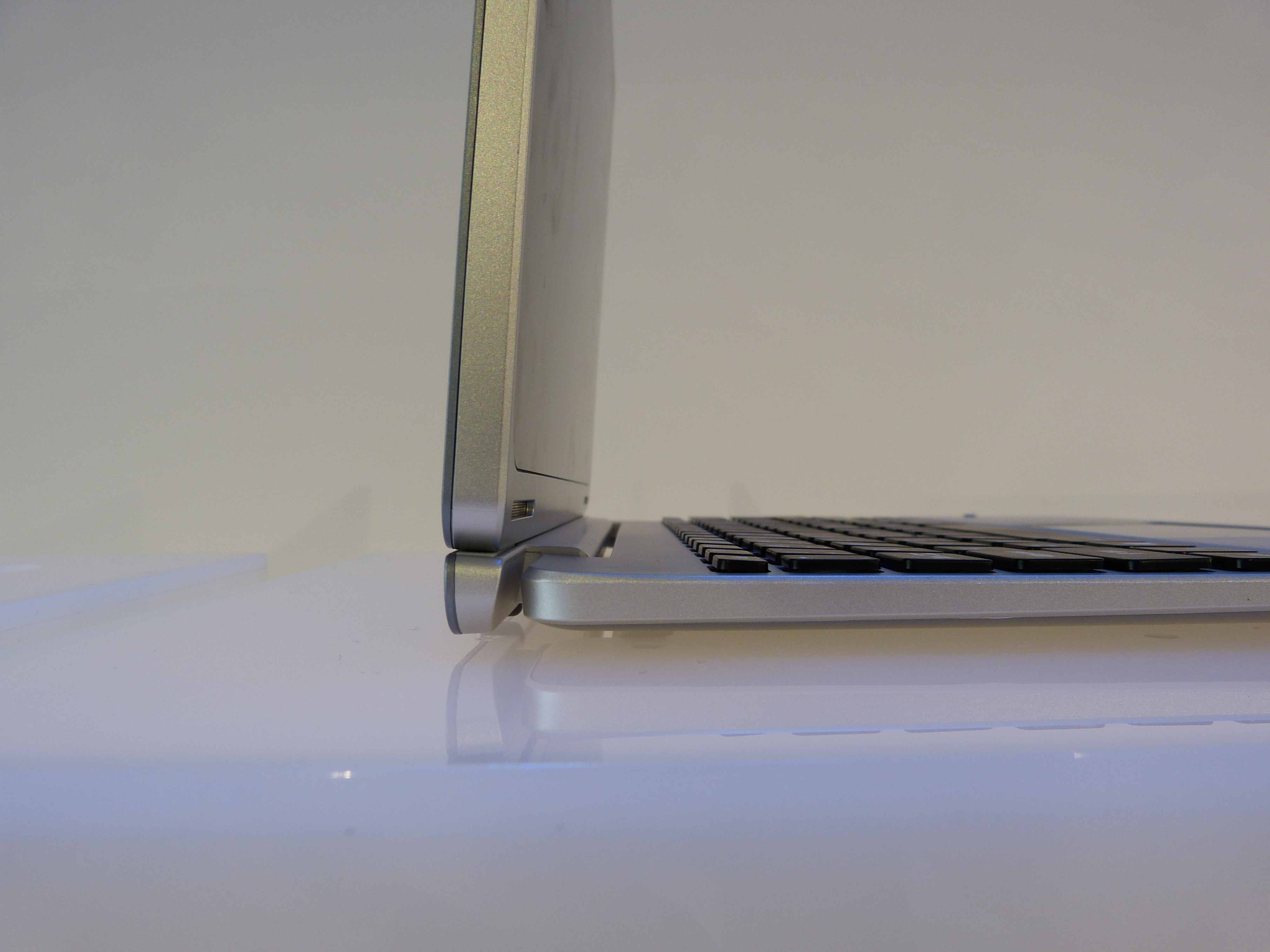
The Snap hinge mechanism is interesting as it sits at a perfect right angle, as you tilt further back the keyboard rises and tilts toward to making a more natural typing position.
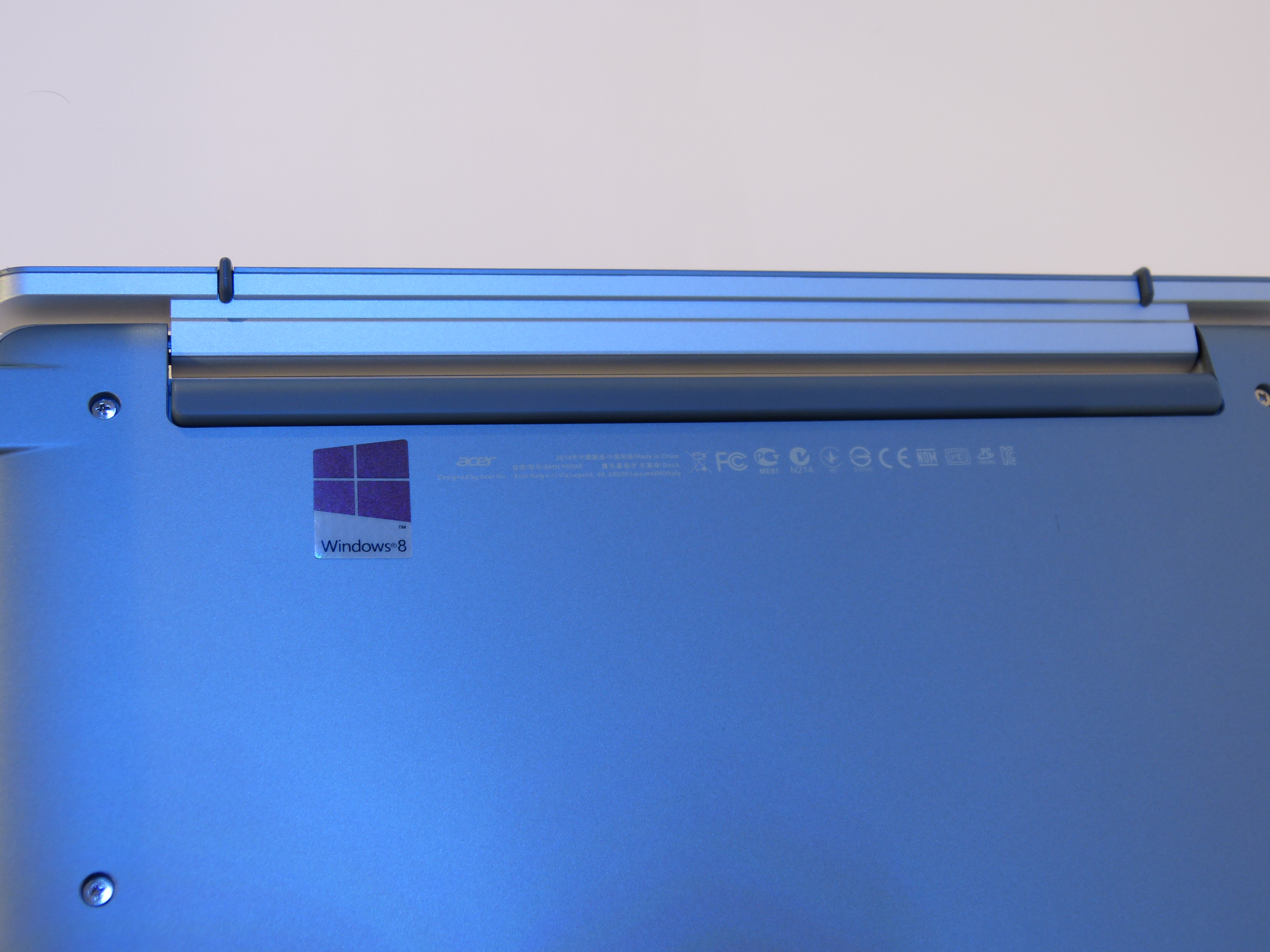
Undeneath the machine is not affected by the hinge as the mechanism is contained within the profile of the Switch 10.
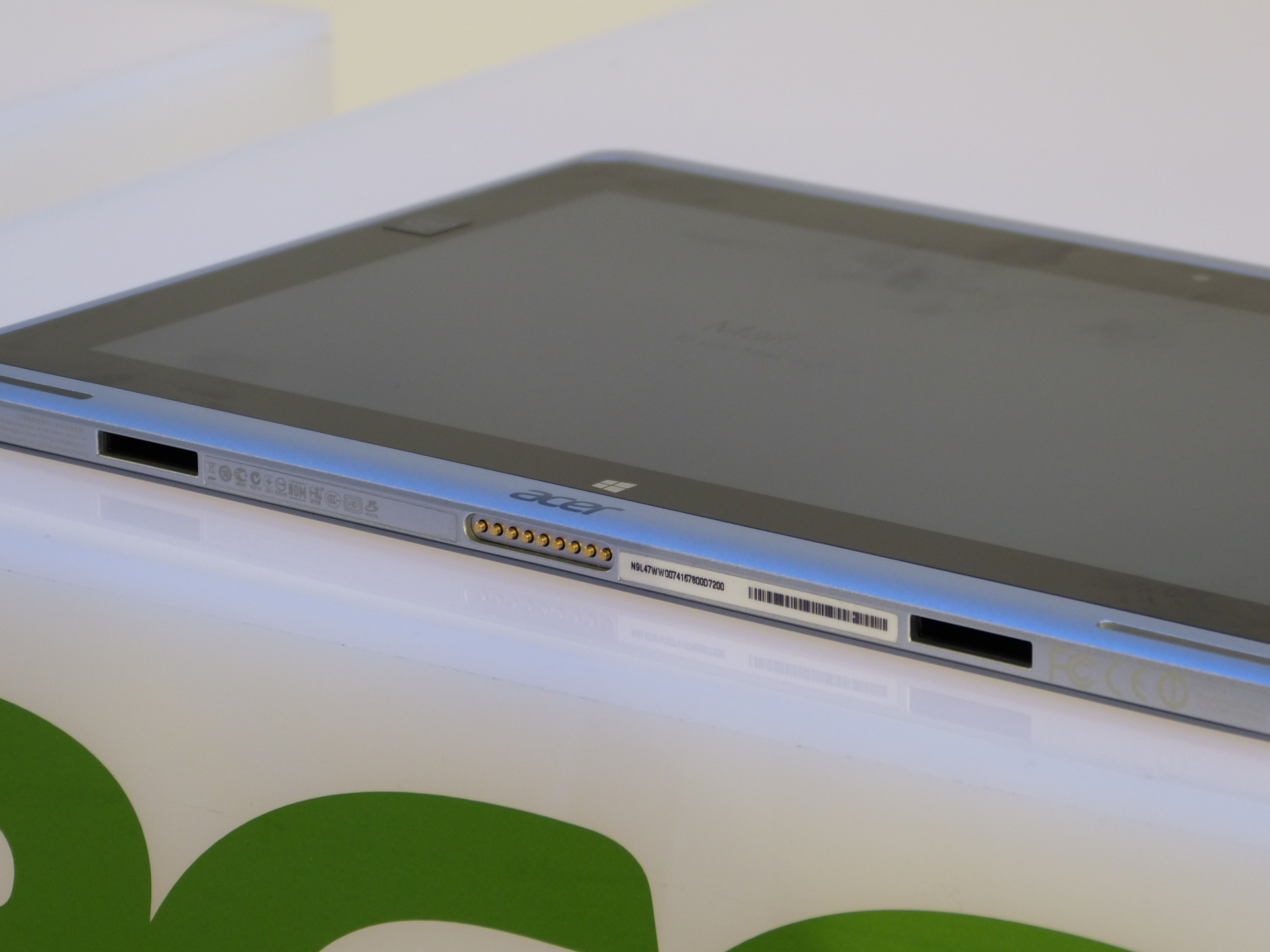
The bottom of the tablet has two holes for the clips and some connections for the keyboard input. The magnets are not visible.
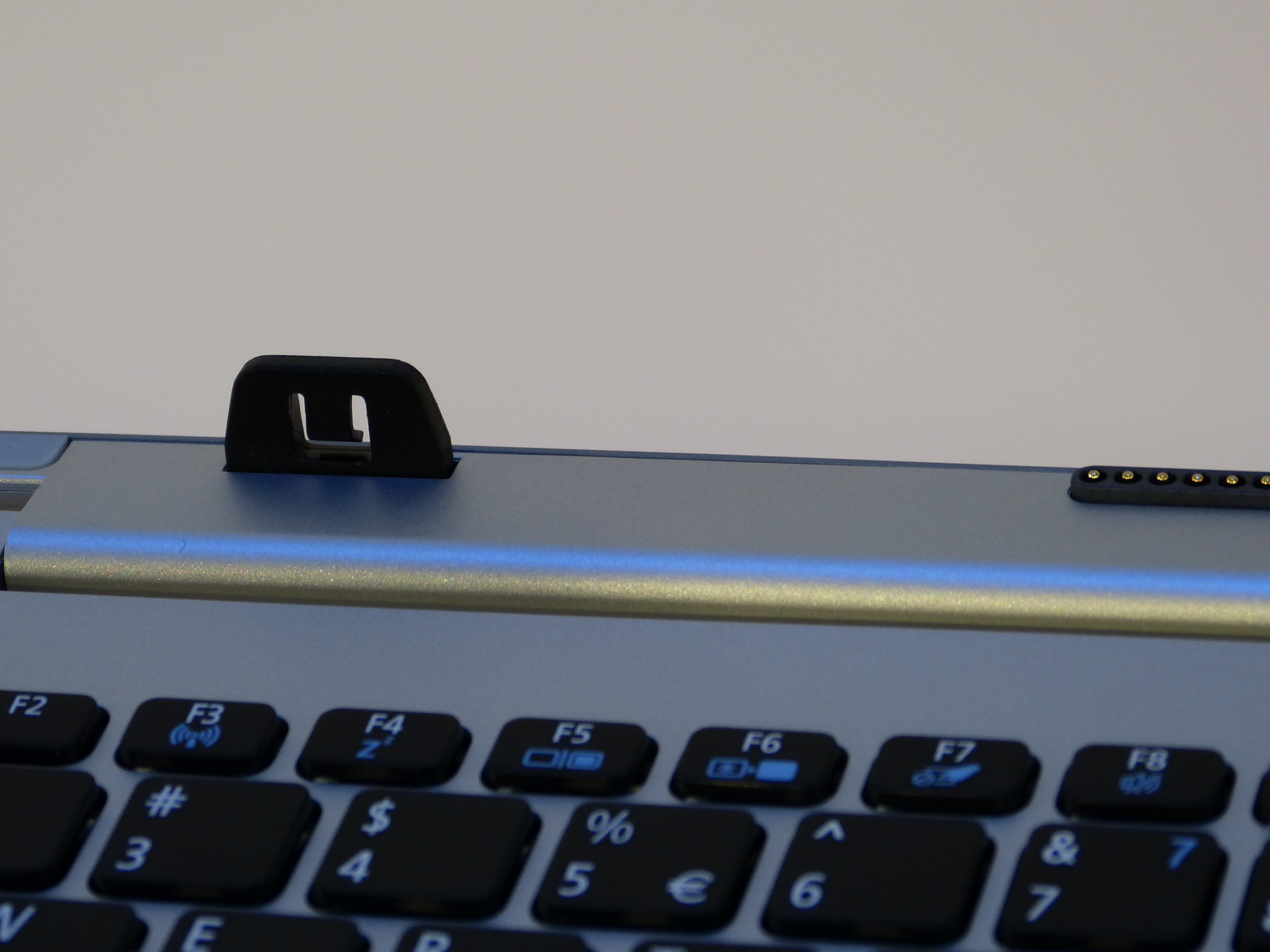
The clips are fairly simple and are angled to help guide the tablet into a lock position. The magnets tend to do all the work.
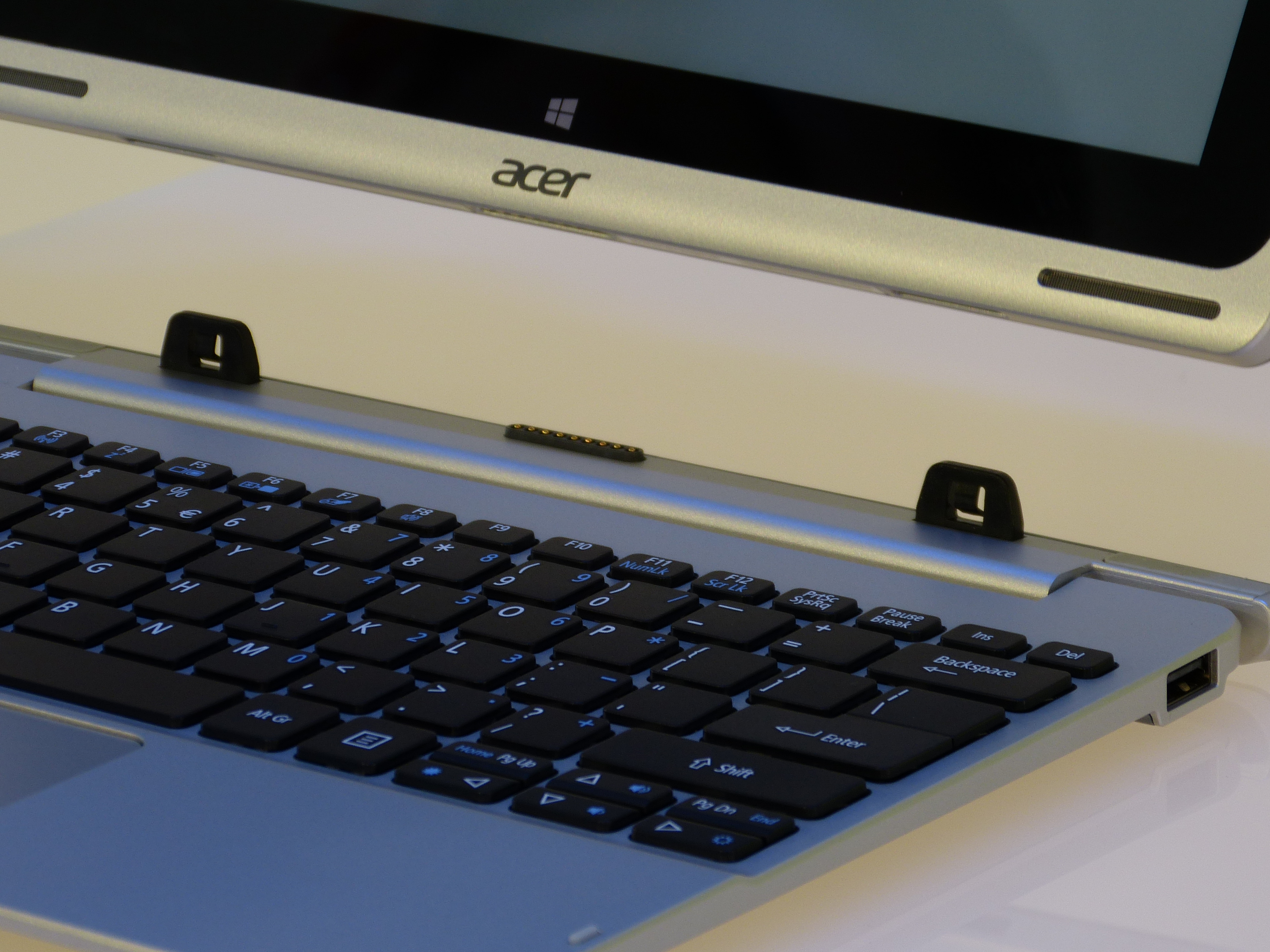
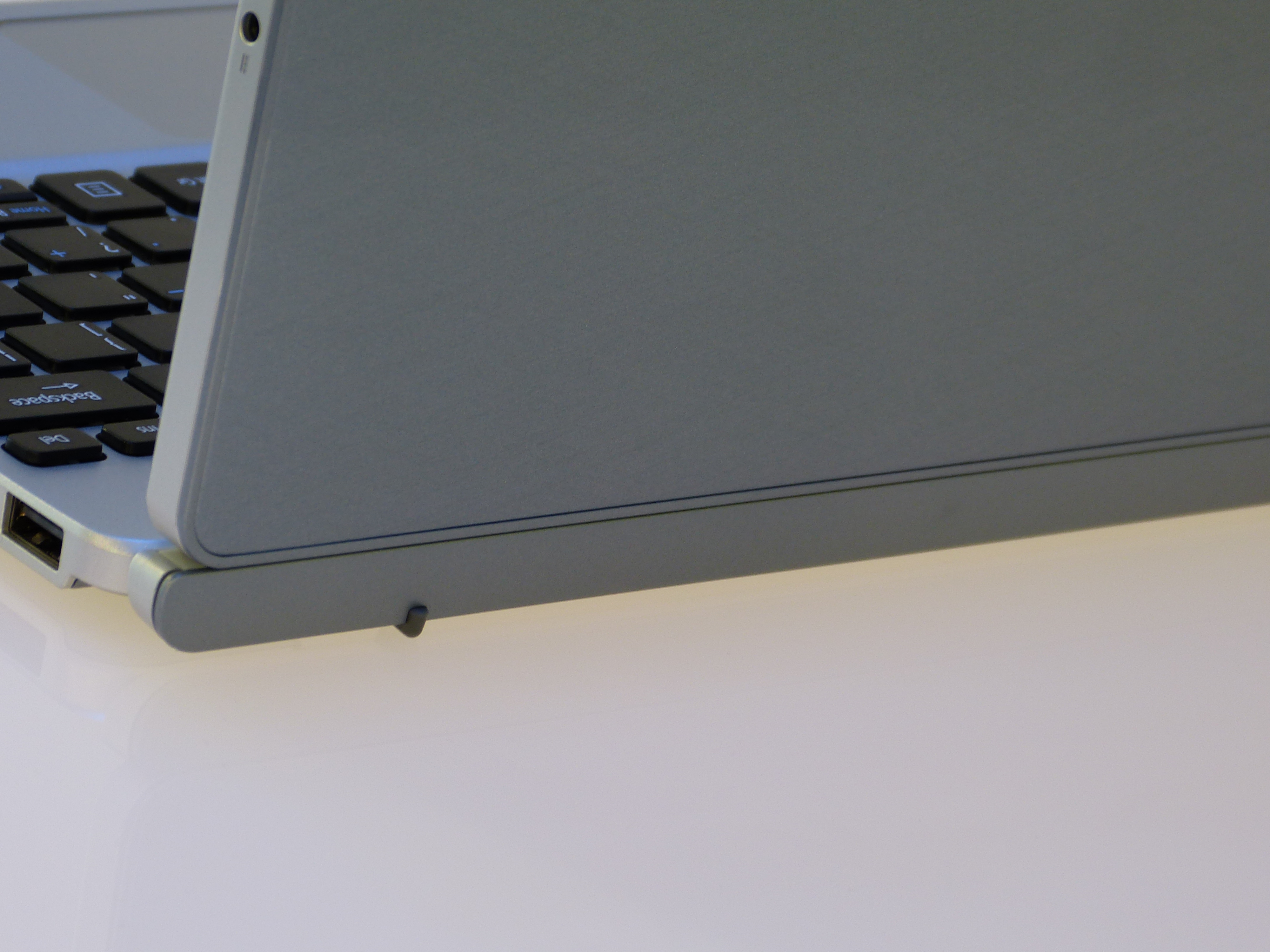
The rear of the device benefits front the positioning of the hinge. A nice unbroken line gives the Switch a more elegent look instead of the clumsy visible hinges on most other devices.
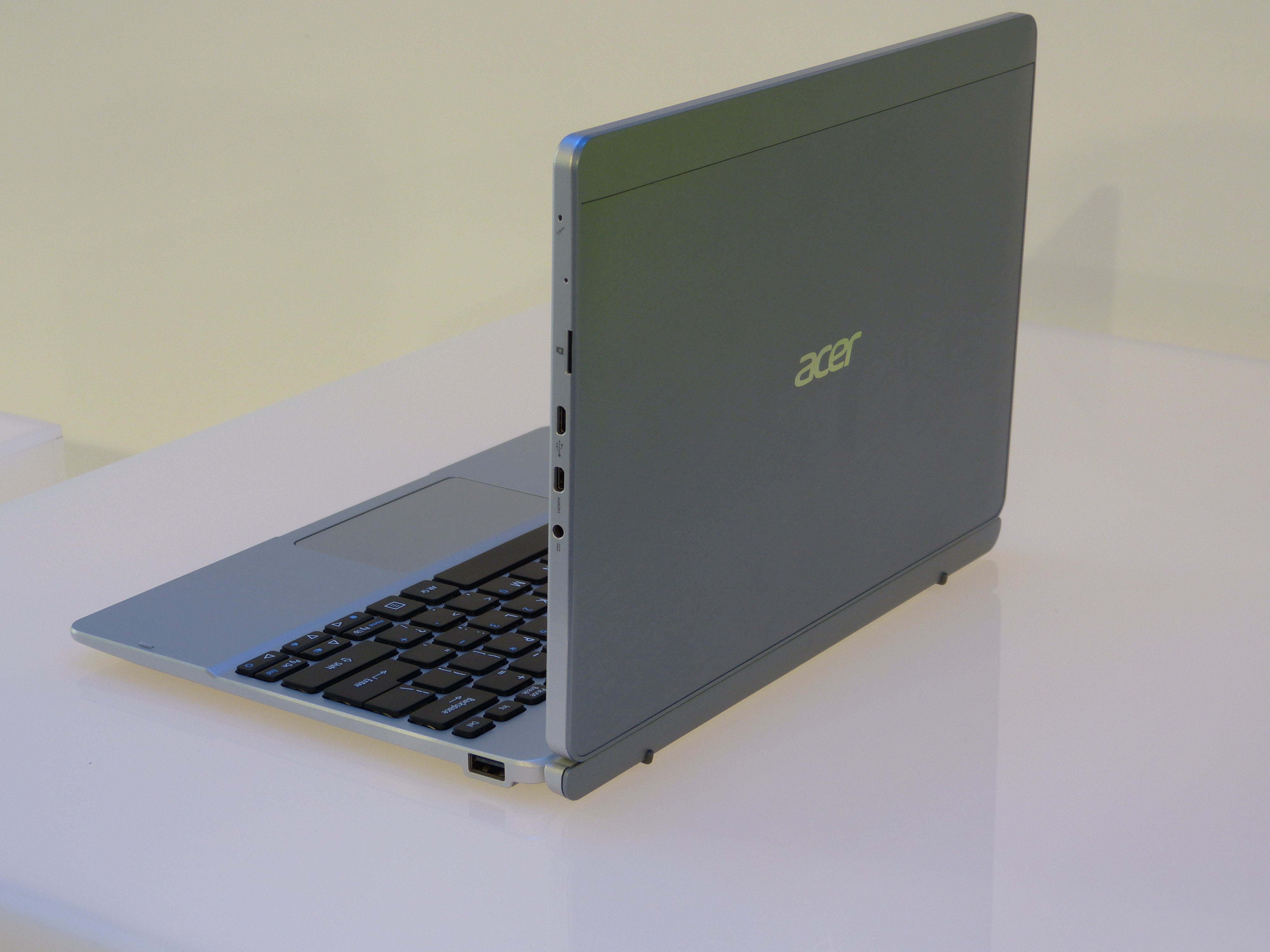
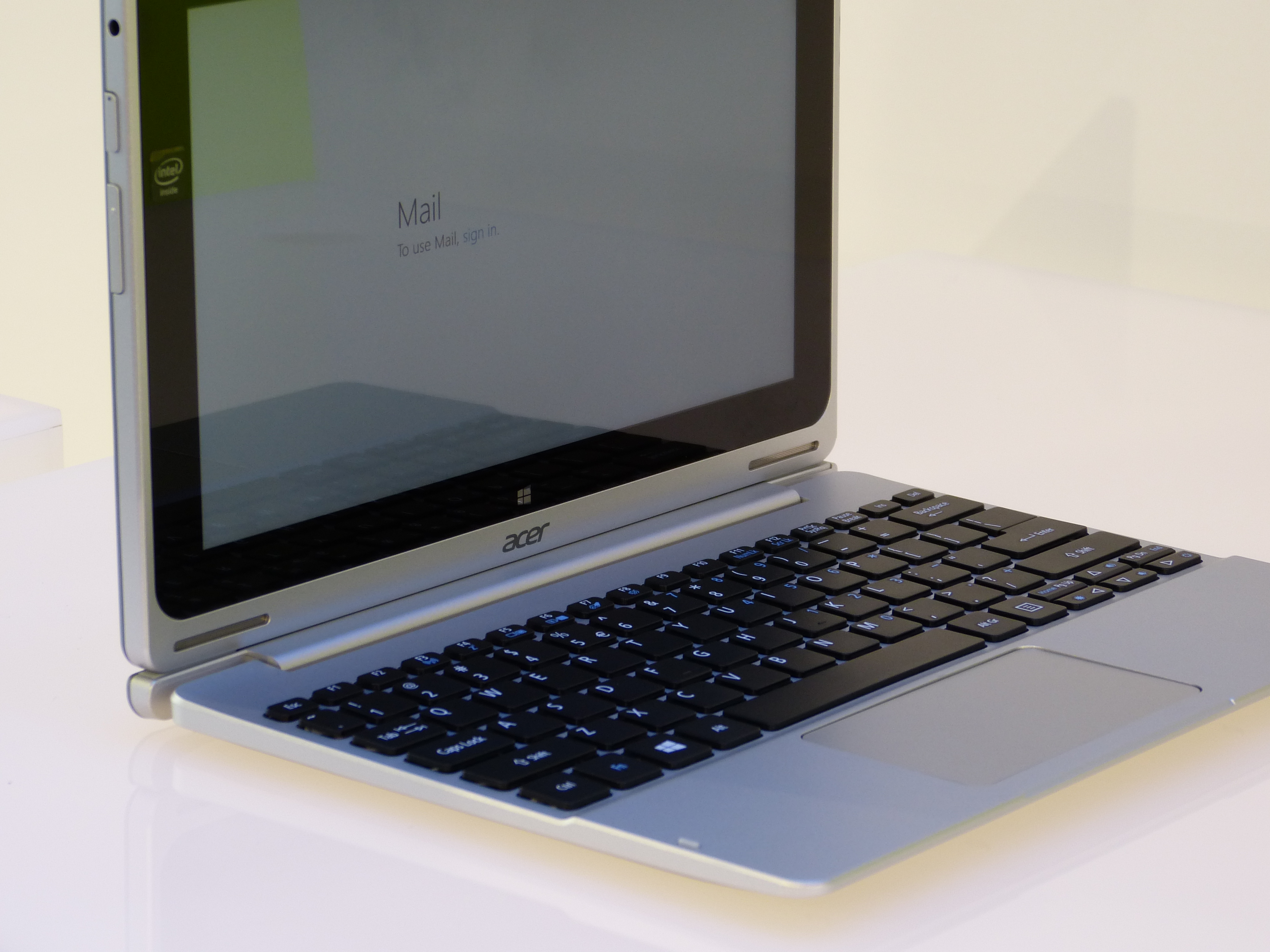
Elsewhere the tablet has some decent specs for the proposed £299
- Screen 10.1″ HD 13666×768
- Intel Atom Z3745
- 2GB Ram
- Intel HD Graphics
- 32/64gb storage options
- 2mp front facing camera
The tablet as a wealth of connections on either side.
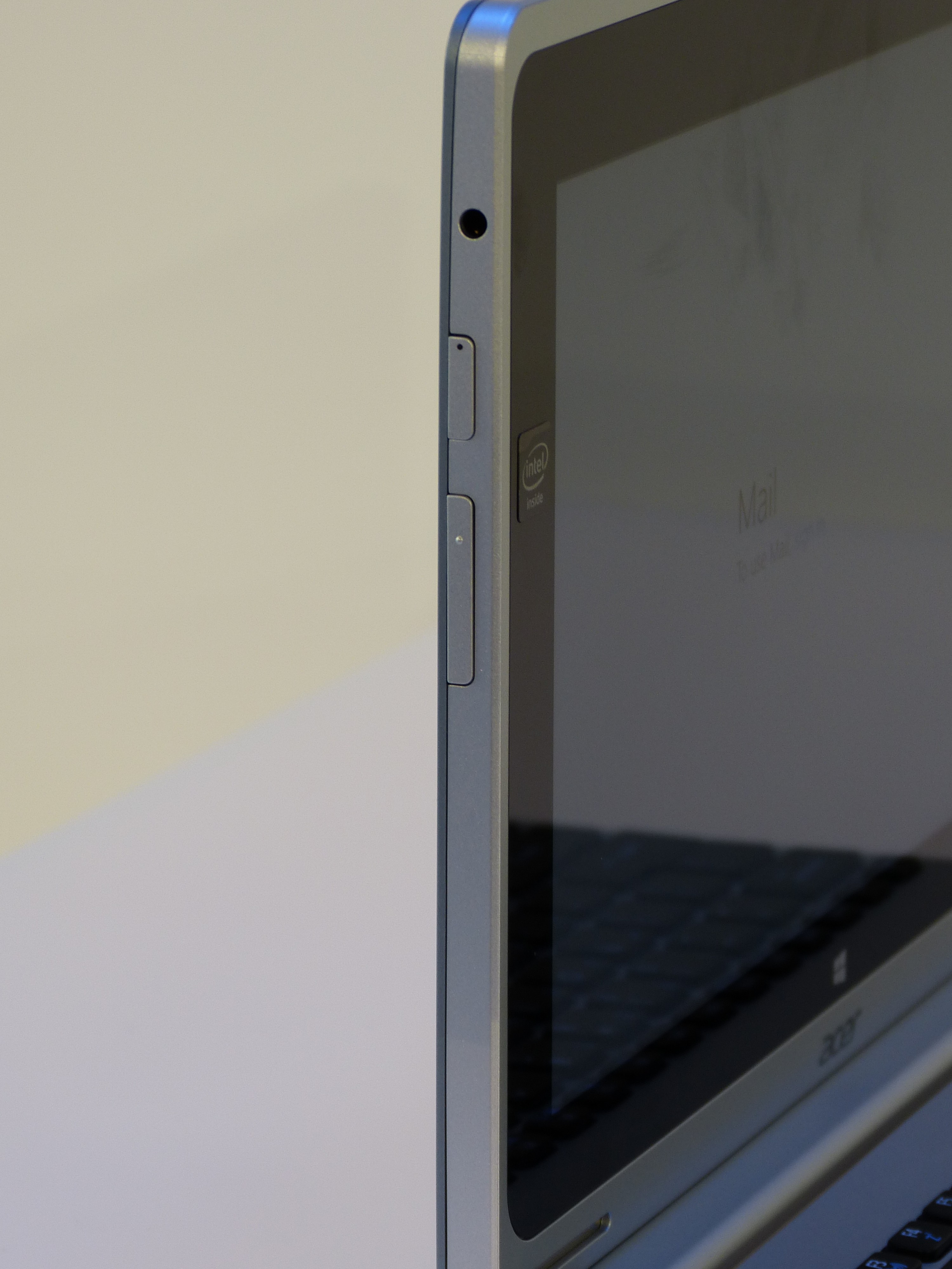
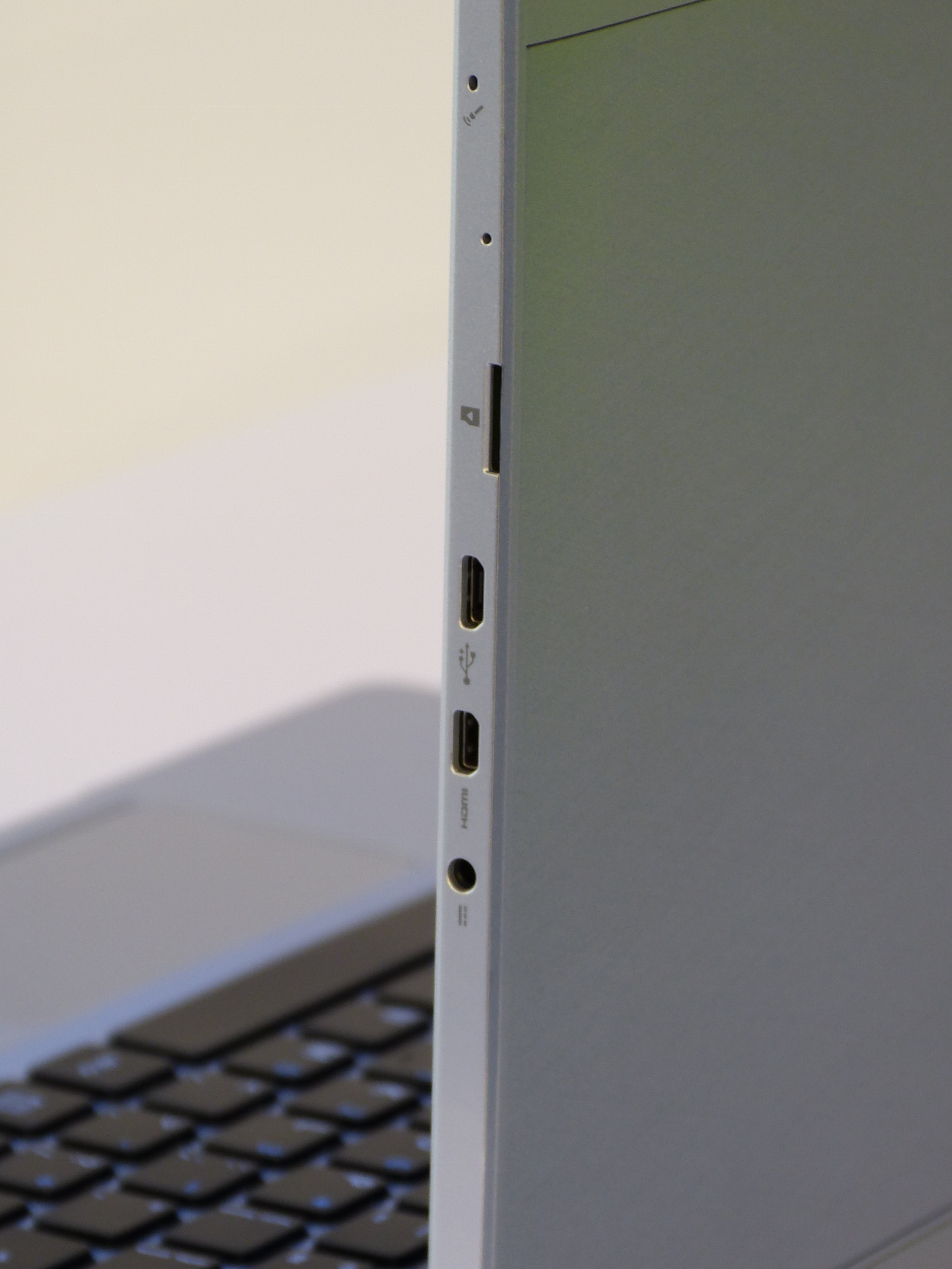

 In graphics, pixels are everything. More pixels give us sharper images and make the images on a screen look more lifelike.
Here’s a refresher about pixels: the word itself stands for picture element, and a pixel is a single point within a graphic image. On colour monitors, each pixel consists of three dots in the primary colors (red, blue, green) making colour images a bit fuzzy. High-definition display screens pack pixels very tightly, until you can no longer see individual ones, providing sharper images and less blur.
Pixels are key to display qualities. People want high-quality display monitors. More than ever, they want them on their mobile devices as well.
People Watch More Video on Tablets
It makes sense to crank up tablet display quality. More people are watching video on tablets, according to Broadcast, which reported this more than doubled between June 2012 and 2013. In 2013, the British video provider Ooyala found that more than one-quarter of all video were viewed on a mobile device by the close of 2013. People now watch long-form video content (video running for at least 10 minutes) equally on tablets and laptops, and 53% of all tablet use is spent watching video.
Video stream is replacing television. Across the pond, Mashable says that it’s the Millenial generation (those who reached adulthood around 2000) who are watching video online. Thirty-four percent prefer viewing this way, rather than traditional television. Ten percent of this group doesn’t even watch broadcast TV at all, instead accessing the networks’ streams. (British TV also offers online streaming.) Forty-four percent said they like watching on mobile devices because it lets them decide when, and where, to watch a show.
Why are tablets popular for watching videos?
Television still offers the best high-definition quality, but tablets are fast catching up. Why are they popular? Marketing Pilgrim say’s it because they are mobile. With a tablet, you can watch video anywhere. It also allows people to browse for programs and apparently fosters intimacy, too: Business Intelligence reports that more people stream TV and video on their tablets in the bedroom than watch live TV there.
Lightweight, 4G tablets should appeal to Millenials everywhere. The latest ones feature 1920 x 1200 pixel displays ( 323 pixels per inch, or PPI) on 7-inch screens, (the standard is 1280 X 800) and weigh around 300g (.66 lbs) with 4G technology. Nexus 7, offered by T-mobile, Google, and Asus, offer these specs. Plenty of other larger and heavier tablets also have these speeds and resolutions.
4G Service Providers
4G is available everywhere although service is still spotty outside of major cities. The number of 4G services offered in the UK tripled in 2013 when Vodaphone and O2 invaded EE’s territory; EE, however, has the largest 4G network. Tesco and Three Mobile have joined since then. Check here to see if you have 4G coverage in your postcode.
Connect
Connect with us on the following social media platforms.