

Gareth
Seasoned tech blogger. Host of the Tech Addicts podcast.


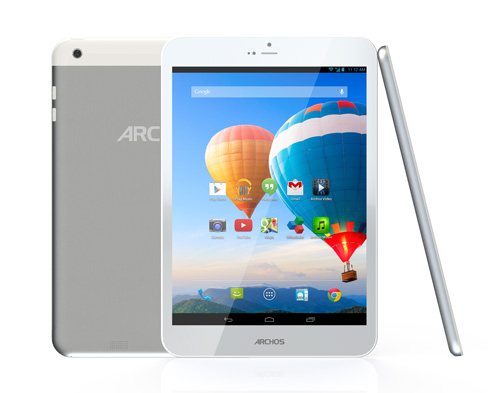 It may look like an iPad Mini however the Archos 79 Xenon falls at the other end of the price spectrum. At £170 the Archos 79 Xenon is a good looking, good feeling Android tablet with a few eyebrow-raising specs.
This is one tablet to check out if you are looking for a cheap second option, one for the kids or family member who isn’t terribly fussy.
Archos 79 Xenon review specification:
Processor
- A7 Quad-Core 1.2GHz
Memory
- 1GB DDR3 RAM
- 8GB Flash
- Expandable to 64GB
Software
- Operating system: Android 4.2 (Jelly Bean)
- Google Maps,
- Google Maps Navigation (beta)
Display
- 7.85″ IPS TFT Multi Touch
- Resolution: 1024 x 768
Multimedia
- Supported Digital Video Formats: MPEG-4,AVI,H.264
- Audio: Microphone, stereo speakers
- Supported Digital Audio Formats: MP3,WAV,OGG,FLAC,Vorbis,PCM,ADPCM
Networking
- Cellular Technology 3G
- Cellular Protocols HSPA
- Wireless Connectivity Bluetooth,Wi-Fi
Power Supply
- Lithium polymer Battery
Dimensions
- Width 13.4 cm
- Depth 0.8 cm
- Height 20 cm
- Weight 320 g
Interfaces
- 1 x microSD
- 1 x SIM card
- 1 x headphones
- 1 x Micro-USB
Archos 79 Xenon review video:
Go online anywhere with the ARCHOS 79 Xenon – specially designed for an on-the-go experience with both 3G and WiFi. Un-Sim-locked it accepts any 3G Sim card and has no provider restrictions.
The ARCHOS 79 Xenon features a powerful Quad-core processor and runs Android Jelly Bean with complete access to Google Play and all the Google Mobile Applications.
NB: This Archos 79 Xenon review is the first of our new video-review format. There’s a bit of work to be done yet but let us know what you think!

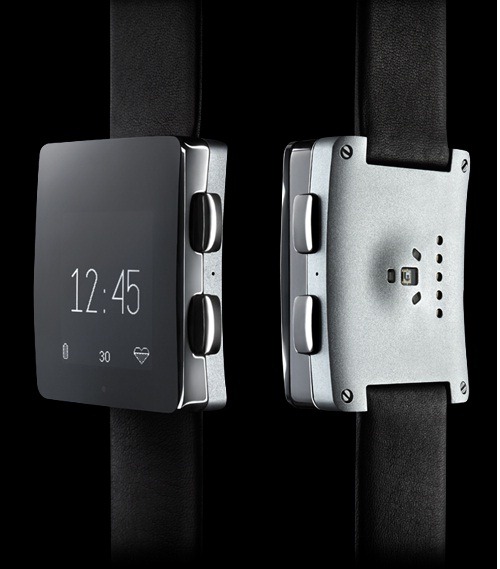 Windows Phone is joining the Smartwatch mob. Wellograph are releasing a Windows Phone 8.1 compatible smartwatch with a sapphire crystal display. The Wellograph watch features a heart rate monitor, activity tracker, and running watch.
The official app will be optimized for Windows Phone 8.1, and syncs directly to the Wellograph watch, transferring all data over Bluetooth. The Windows Phone app will utilise the operating system’s most unique feature Live Tiles, allowing users to see information such as total steps and exercise score directly on the phone’s Start screen. The company will make an official Wellograph app for Windows Phone 8.1 available alongside both an iOS and Android app.
Nick Warnock, president of Wellograph, Inc says
We’re excited to be bringing Wellograph to the millions of users who love and enjoy their Windows Phones. Wellograph represents the first fitness tracking device dedicated to Windows Phone users and we’re committed to supporting our customers using the growing platform.

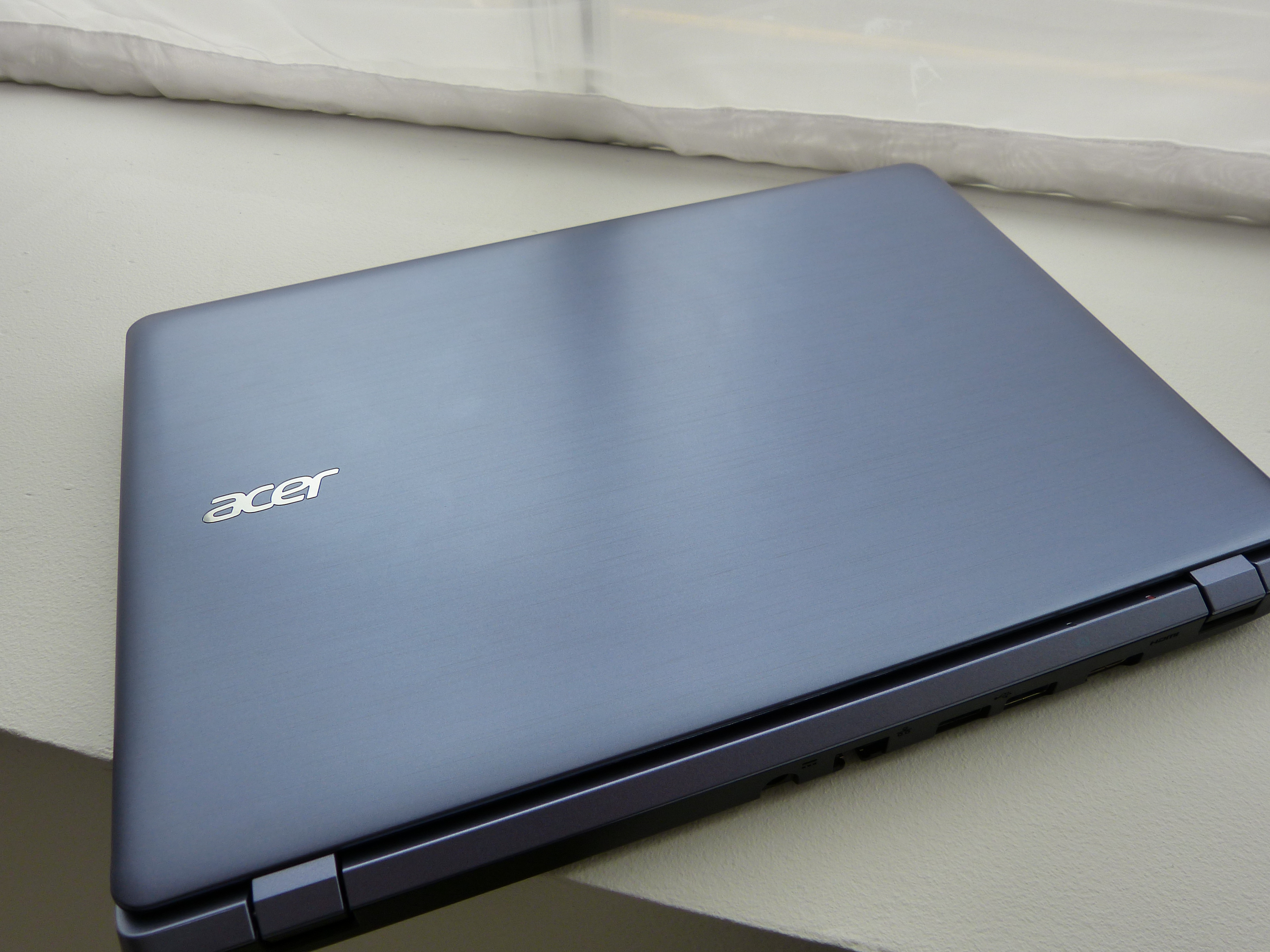
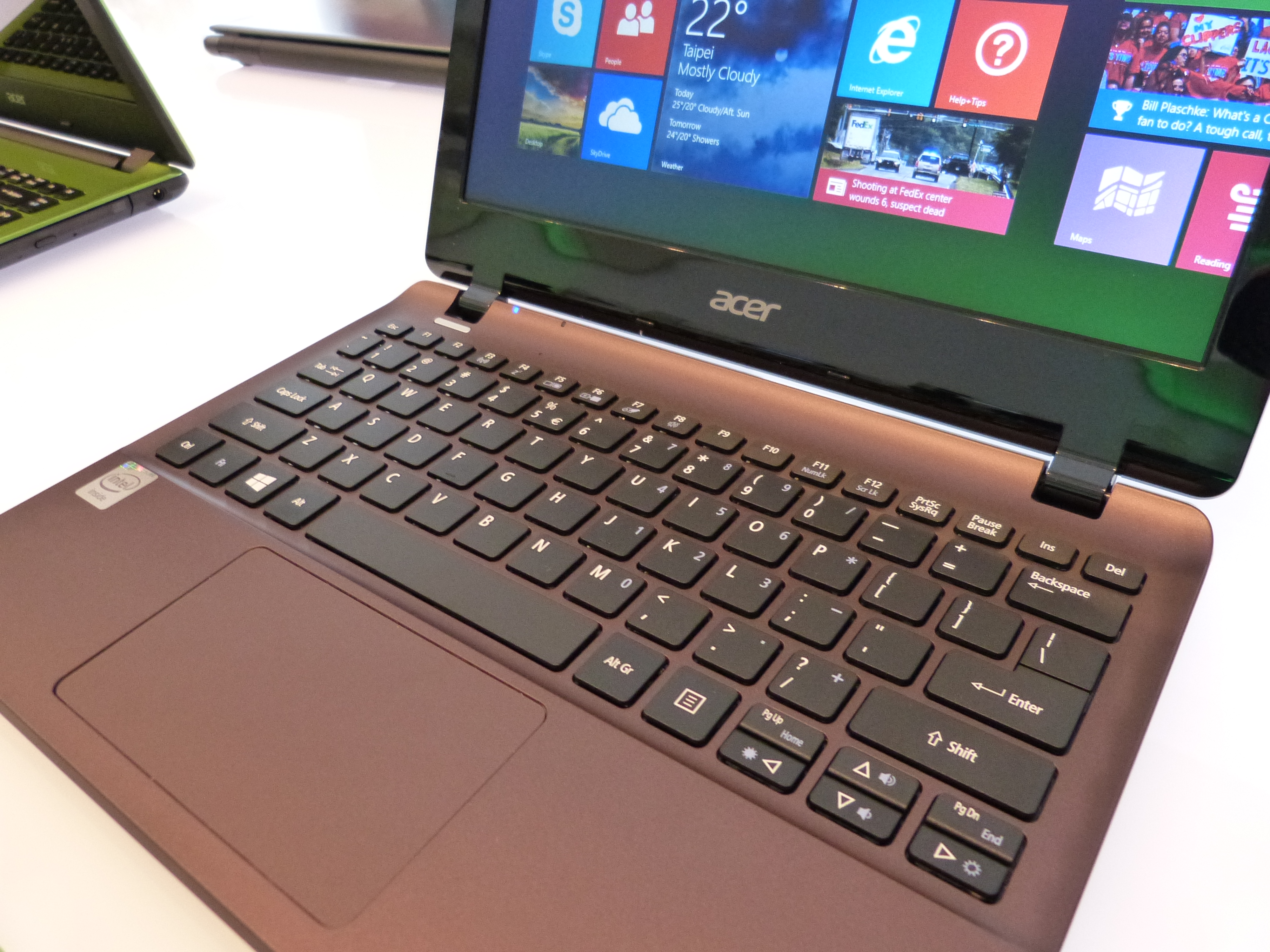
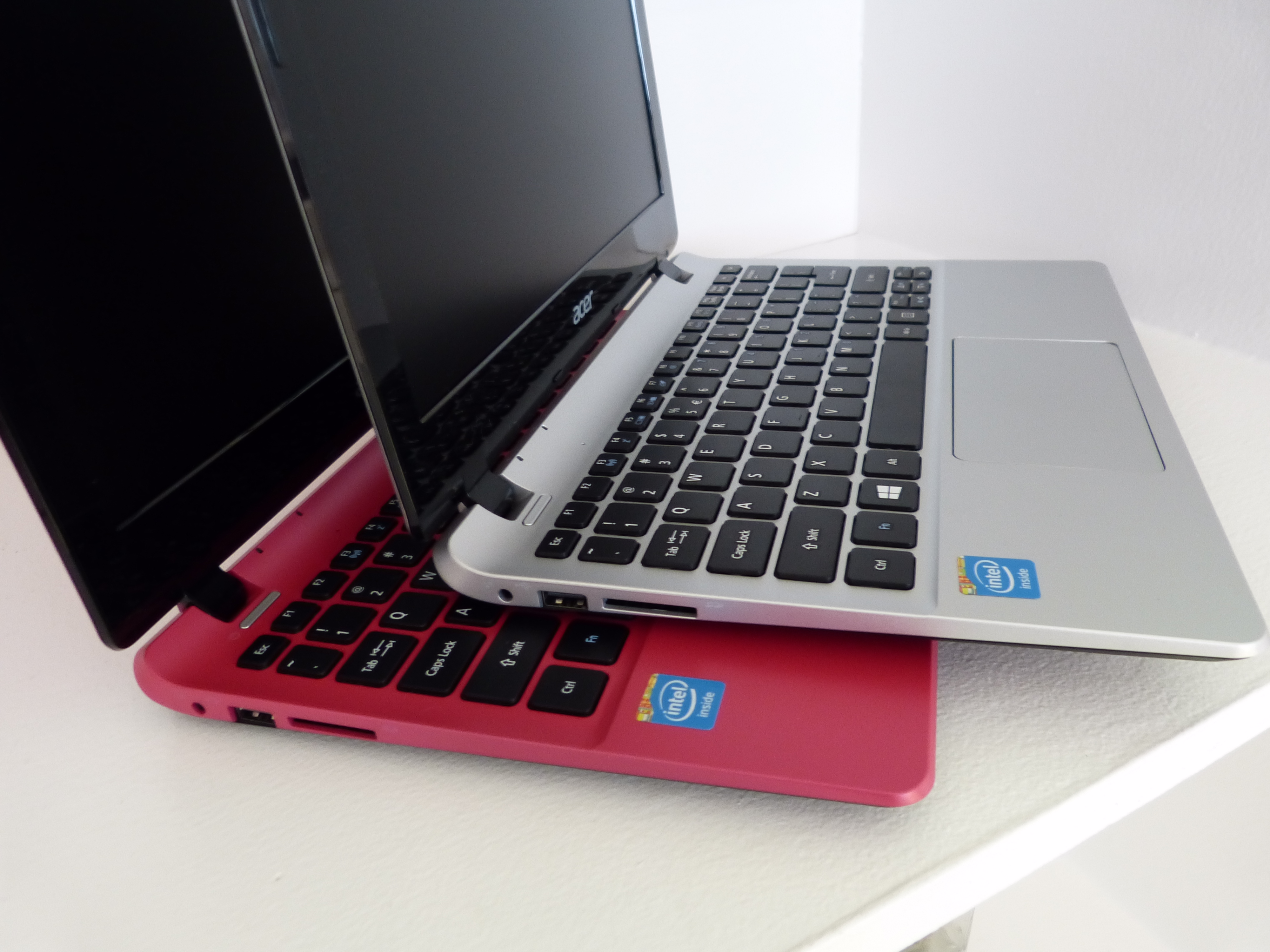 Amongst a slew of new laptop’s Acer have added to their road map are a couple of interesting little 11″ Windows 8 machines. The Acer Aspire E 11 and V 11 are distinctively designed laptops with a very small footprint.
Powered by an Intel Pentium with the option of up to 8gb of memory and various storage options too from 320gb all the way up to 1tb. Unlike the smaller Aspire E 11 the V manages 2 extra hours of battery life at 7 hours and a full touchscreen experience.
The V11 has a rather distinguishing rear end curve to distinguish it from the rest and operates without a fan.
The E11 and V 11 have been priced at $269.99, no UK pricing has been made available.

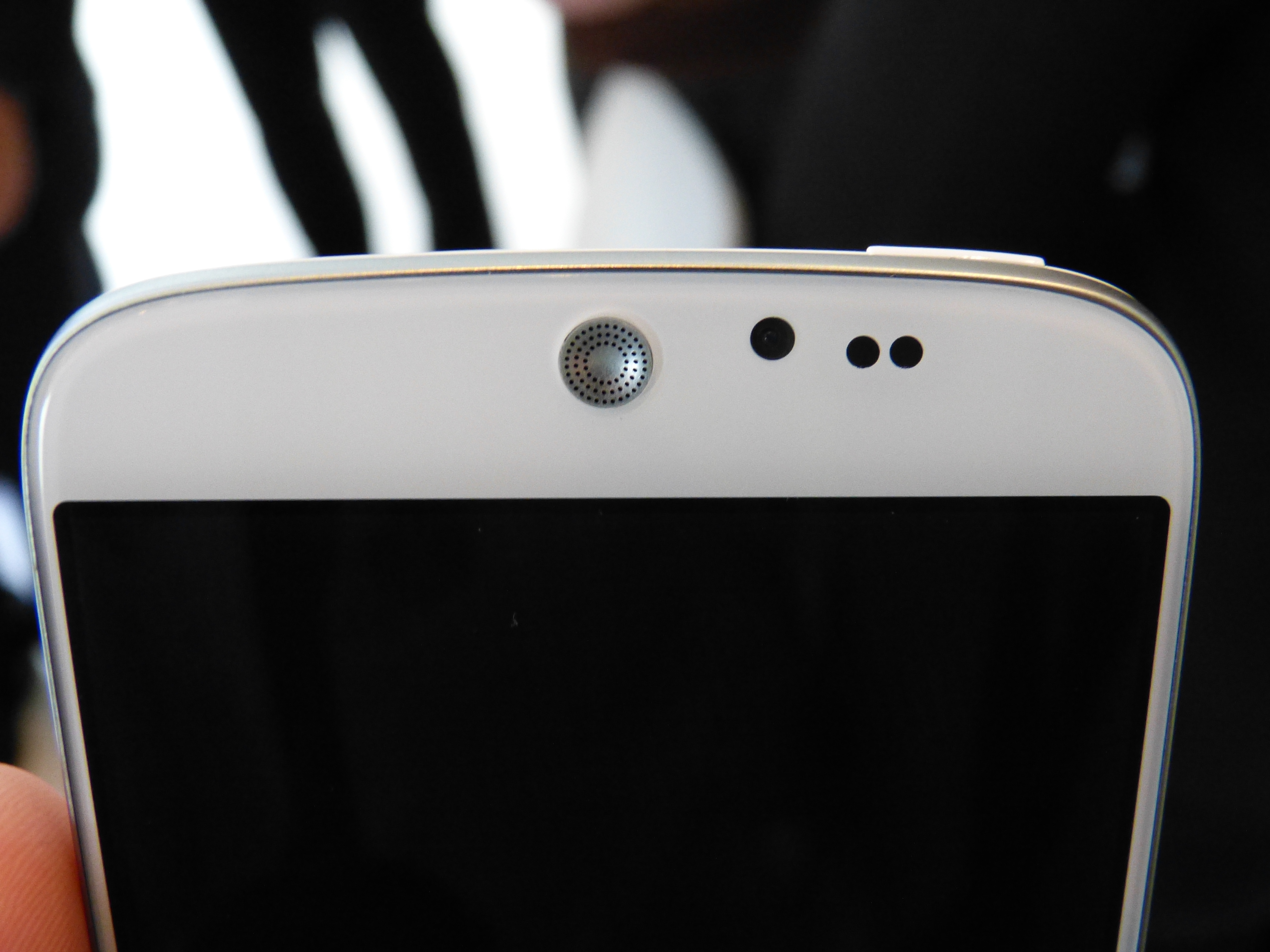
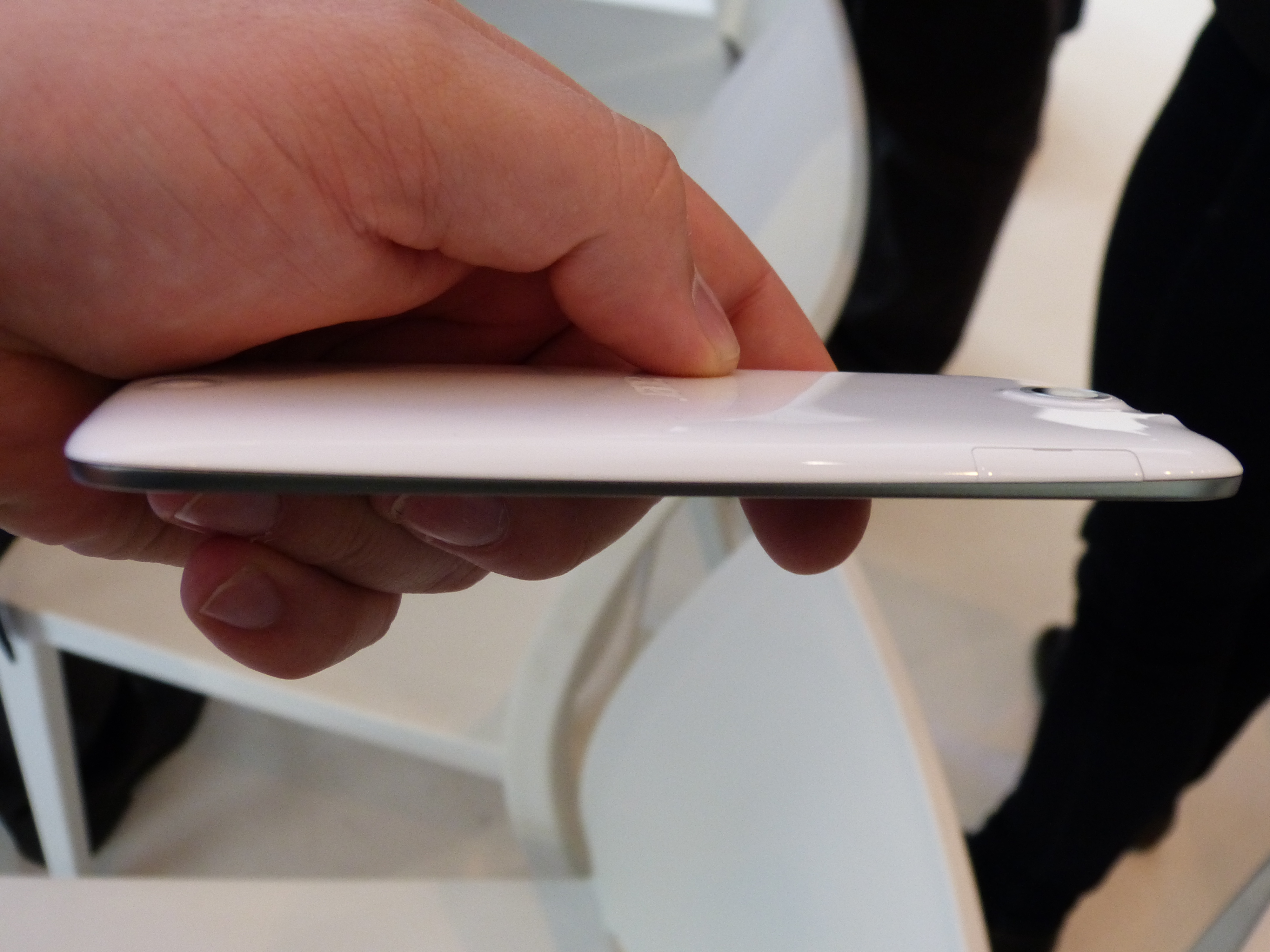
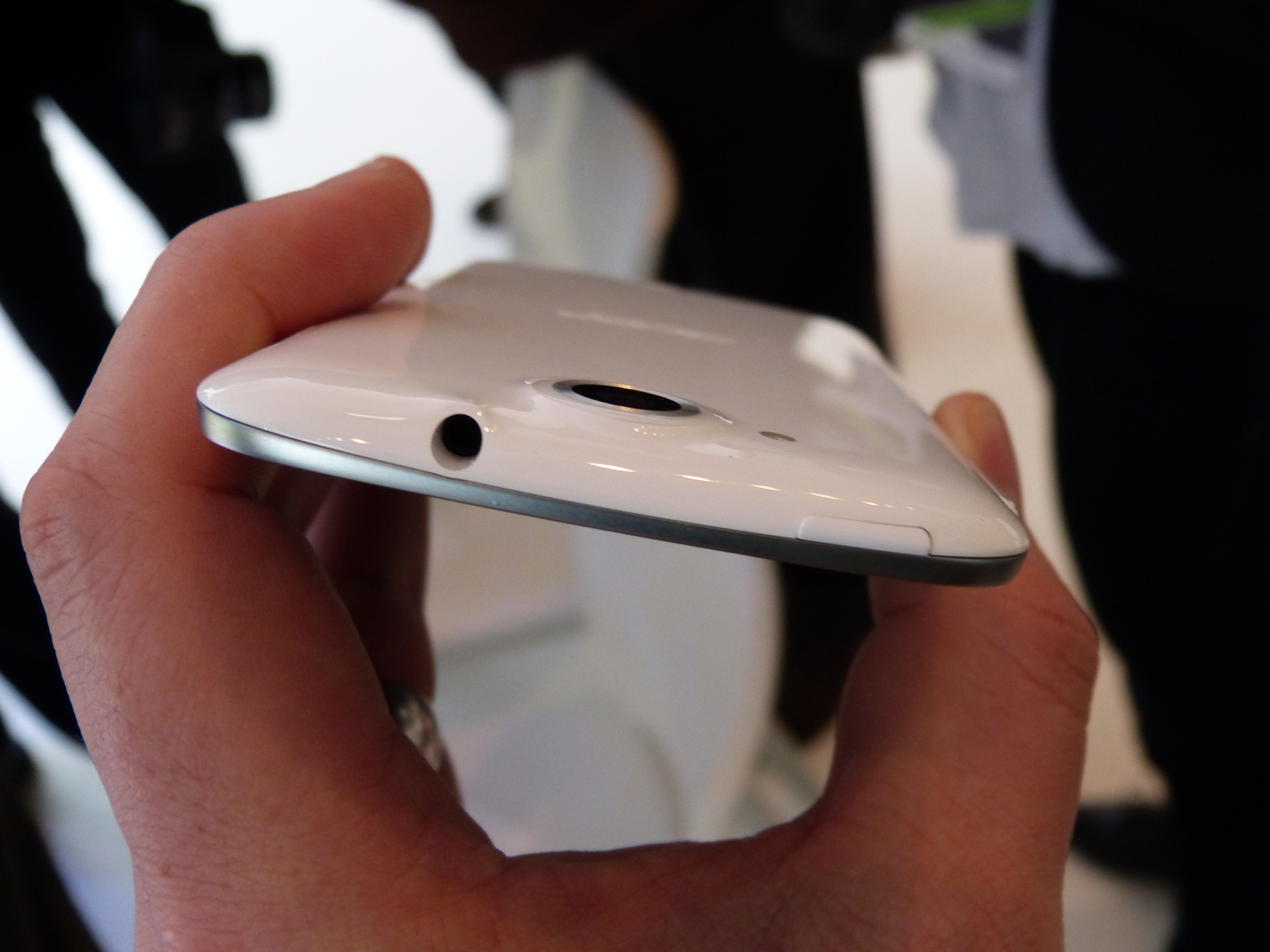
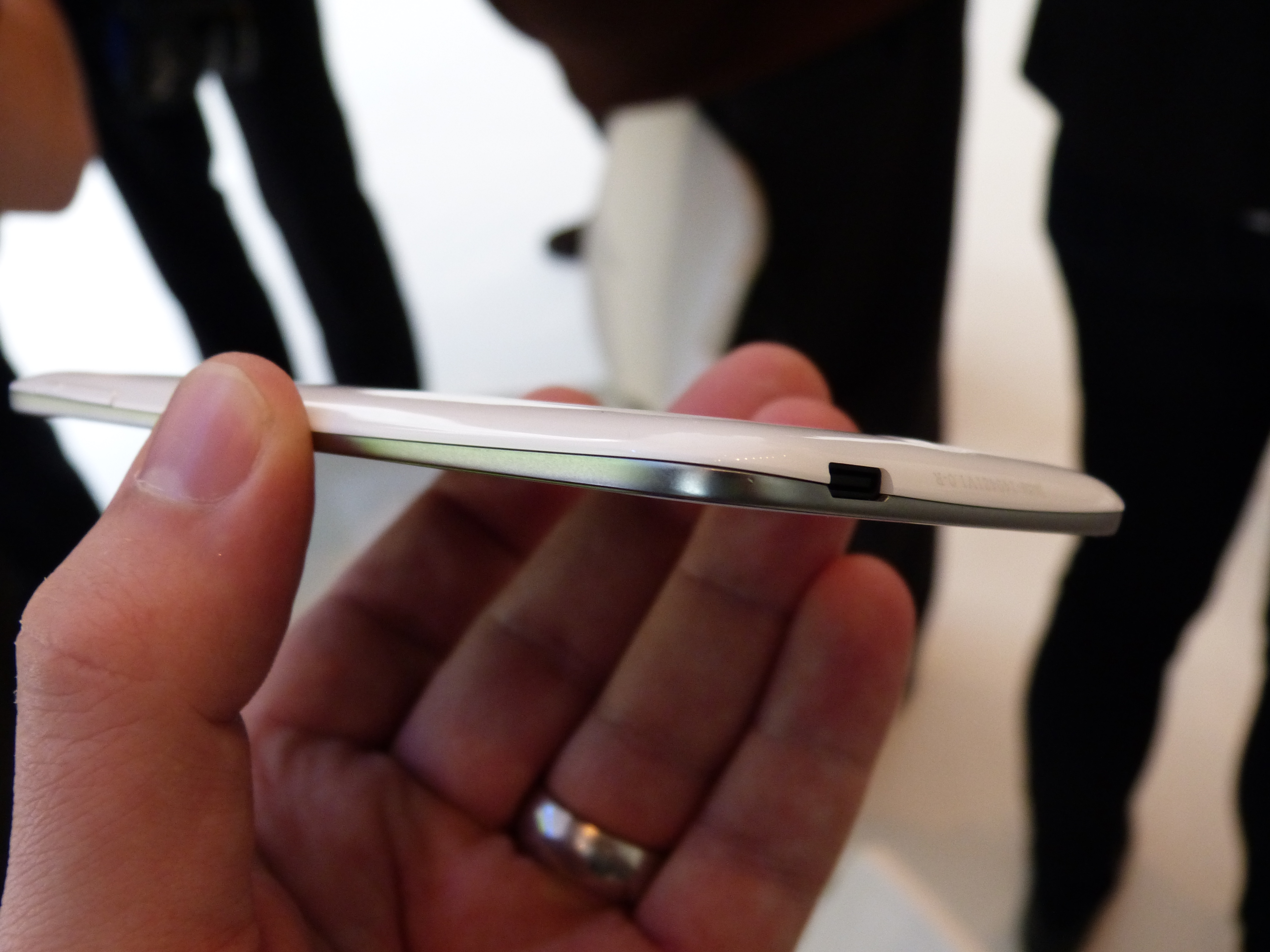
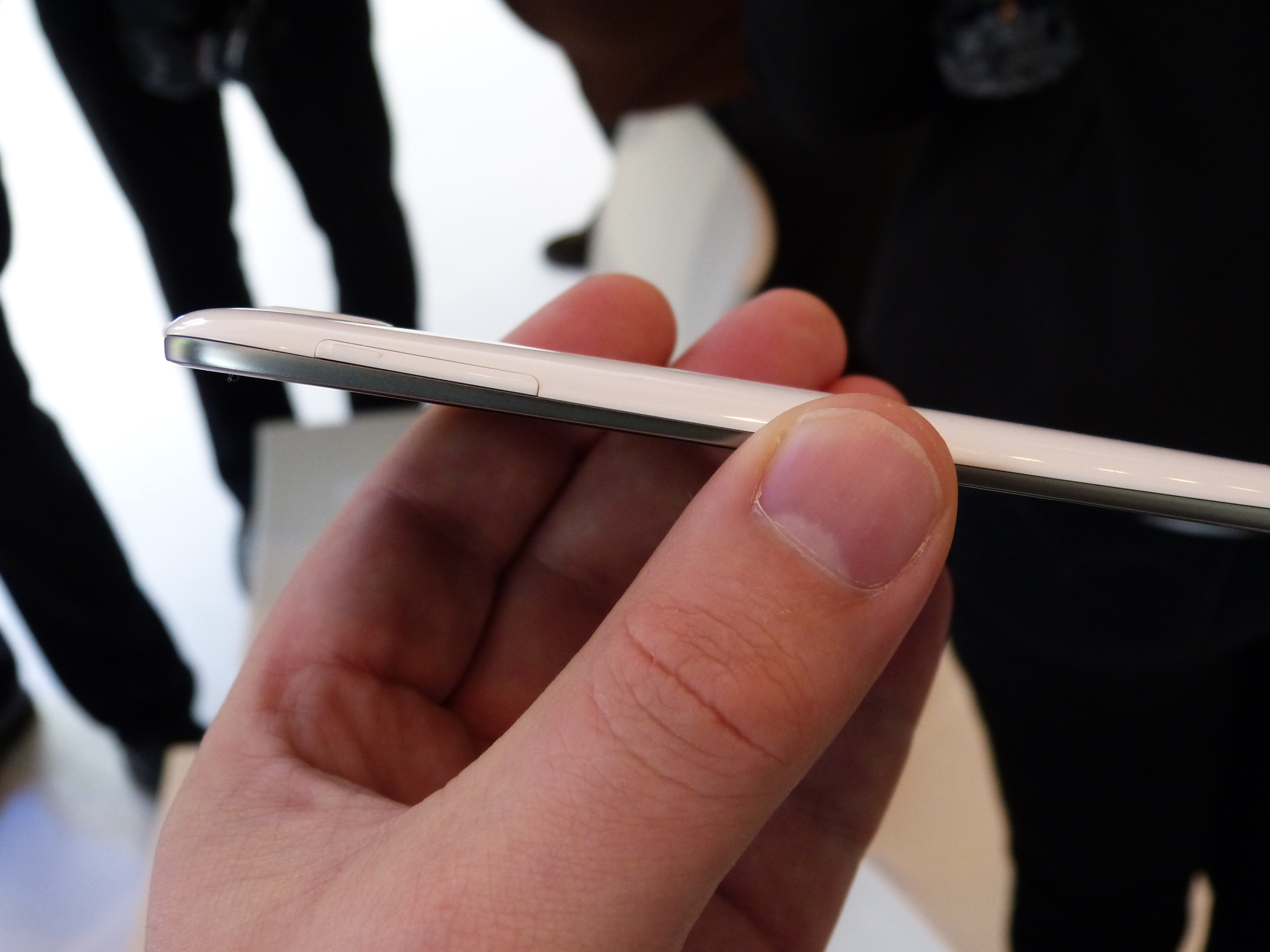
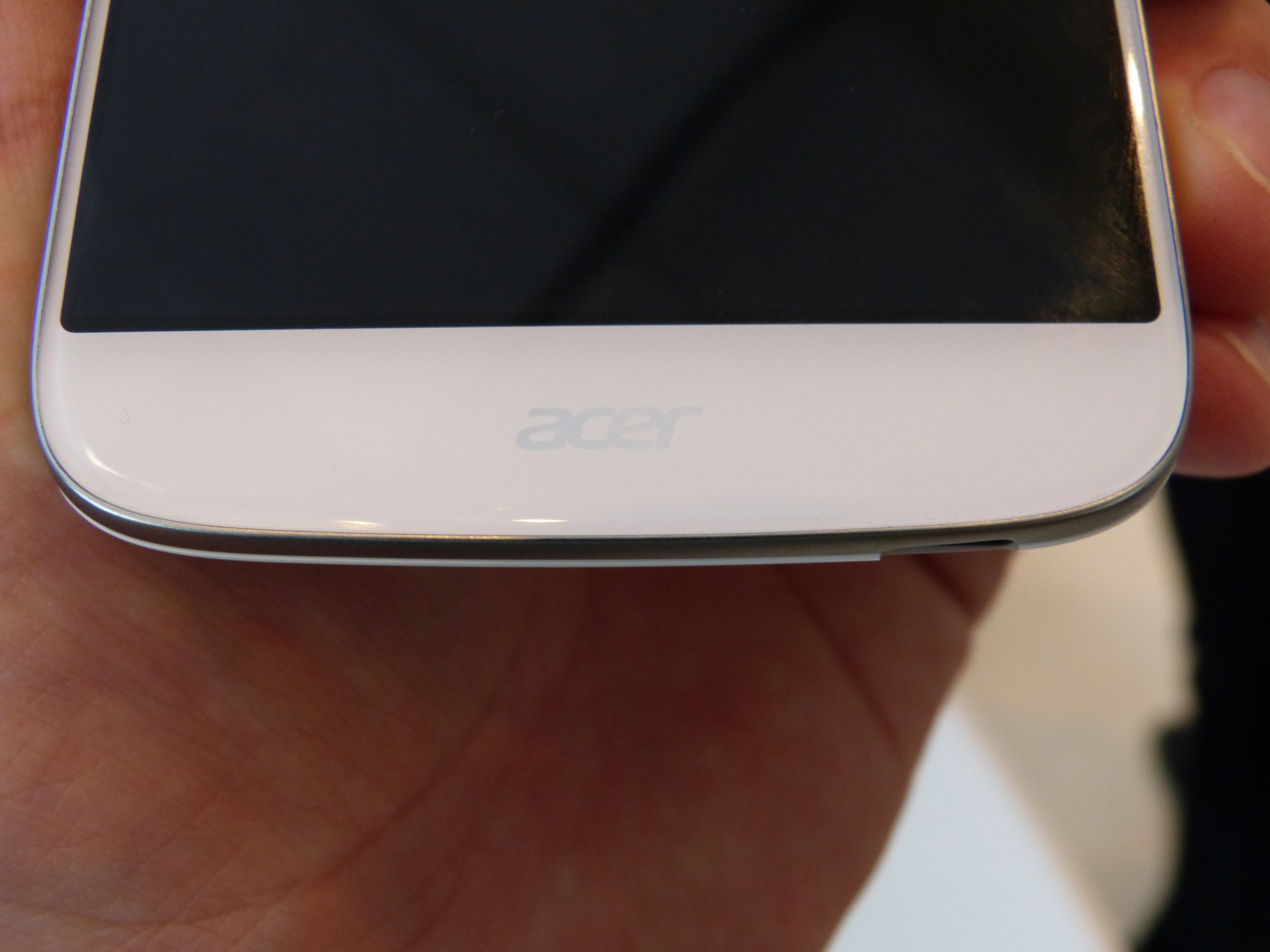
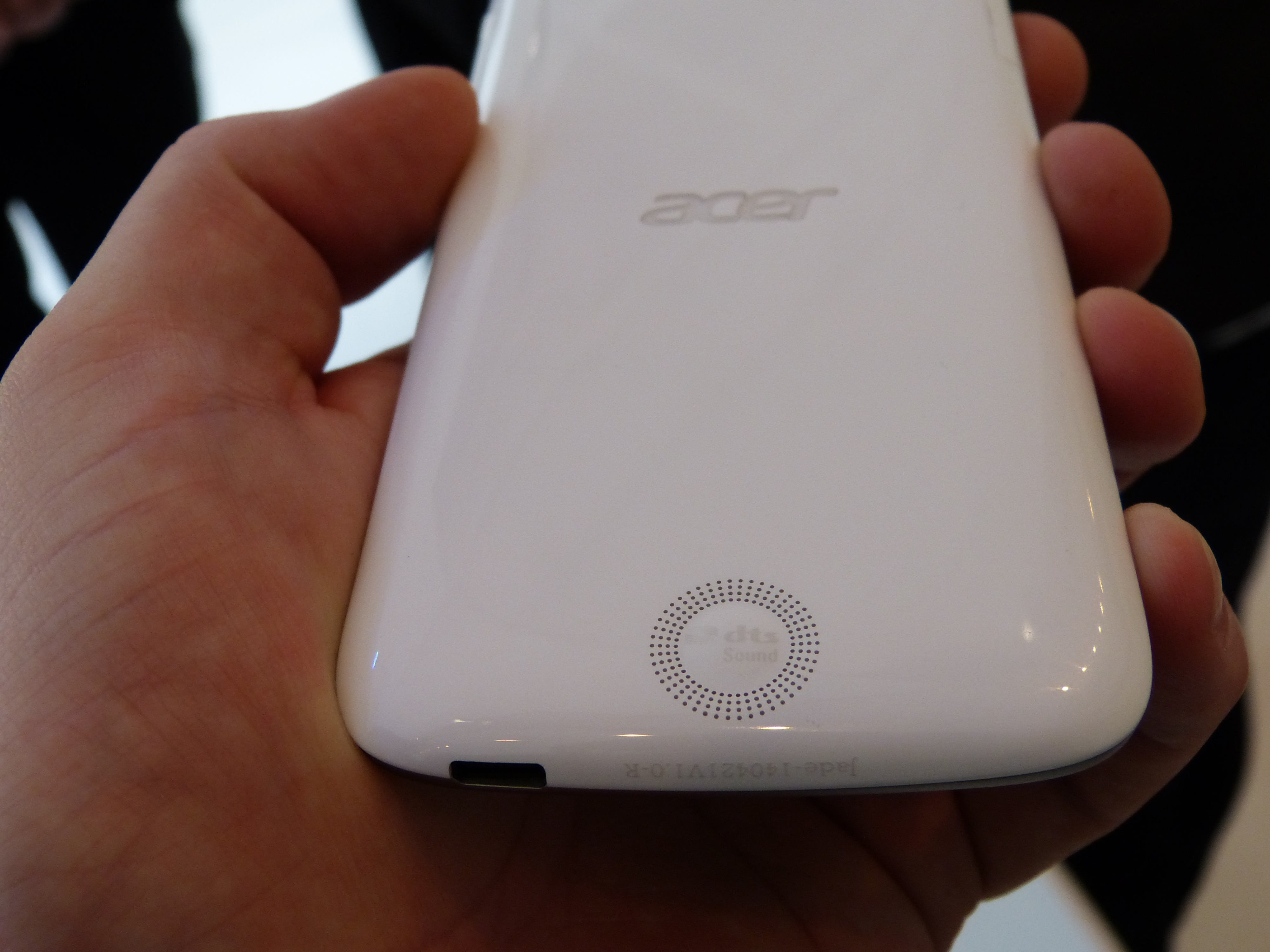
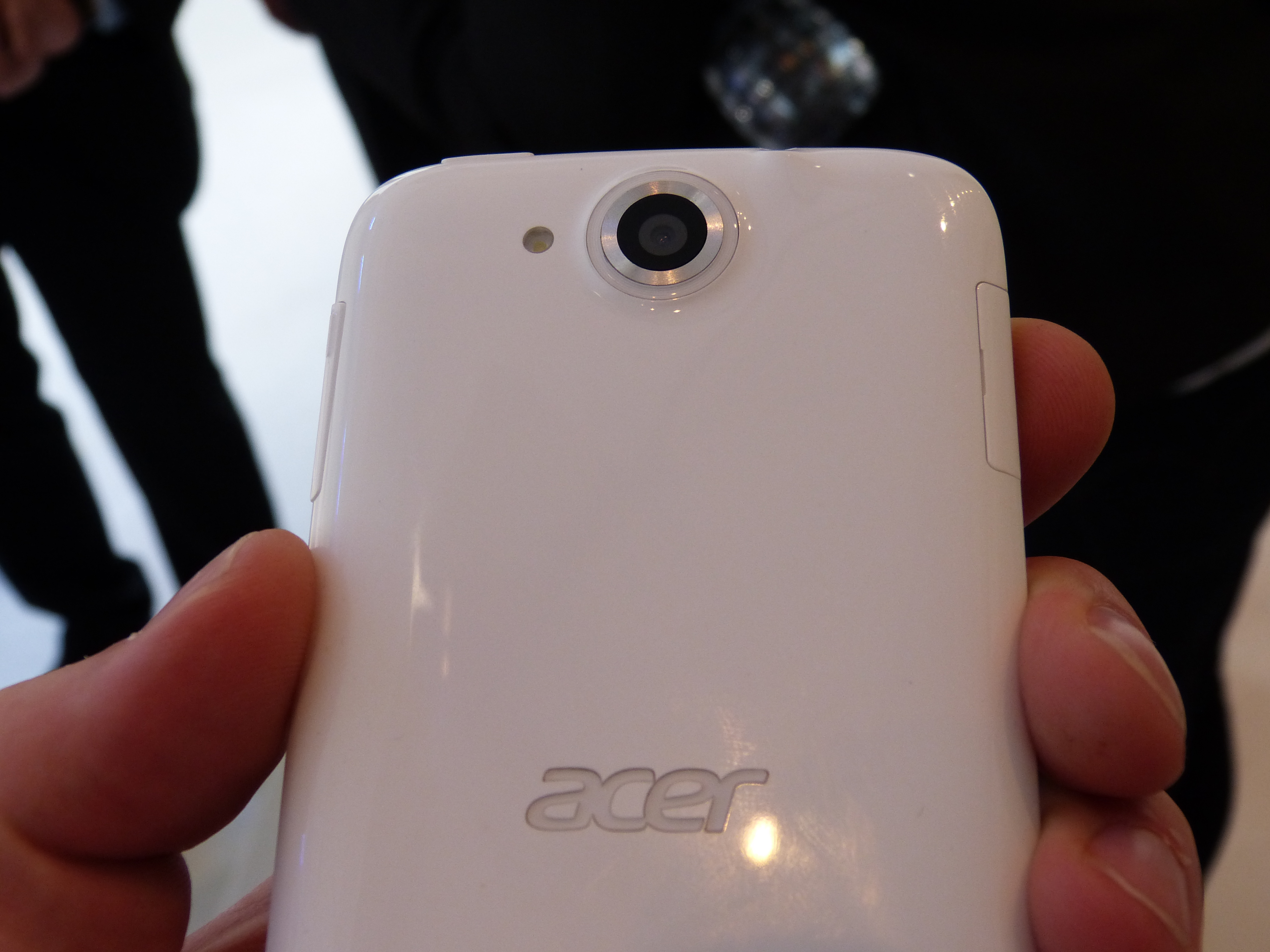
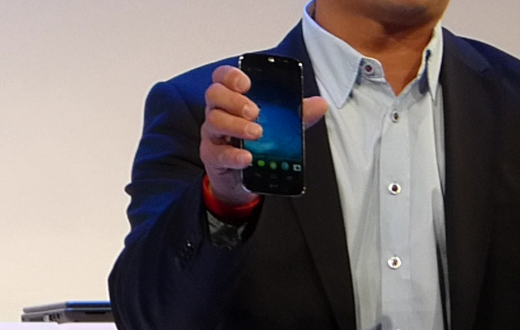 Today at and international Press conference Acer announced they would be release a new phone fairly soon with a bundled goodie, a smart wearable. The Liquid Jade looks to be one of the thinest phones on the market, we actually had a little hands on with the phone that Acer did not reveal a release date for. The Jade is to have Gorilla Glass for protection and no straight edges meaning the device is entirely curved. Two colours were on display with several more being planned.
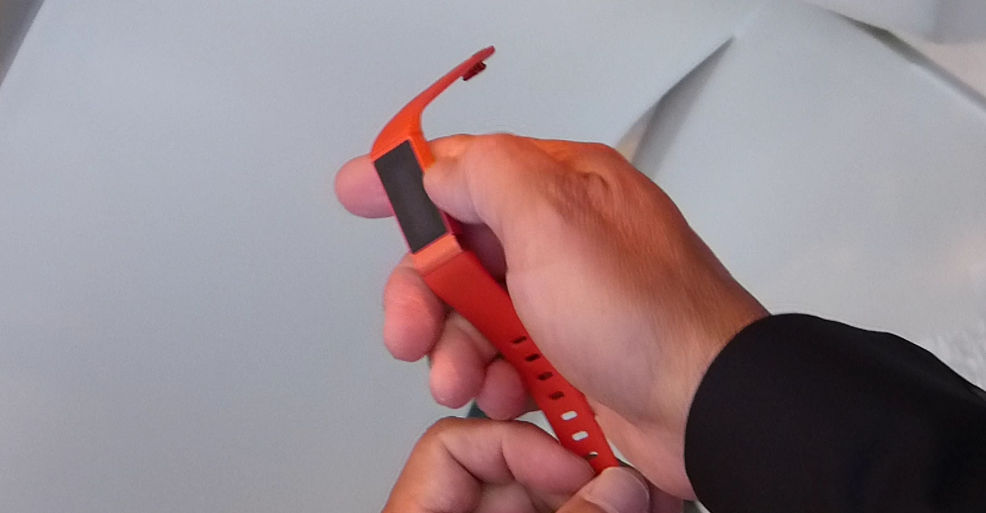
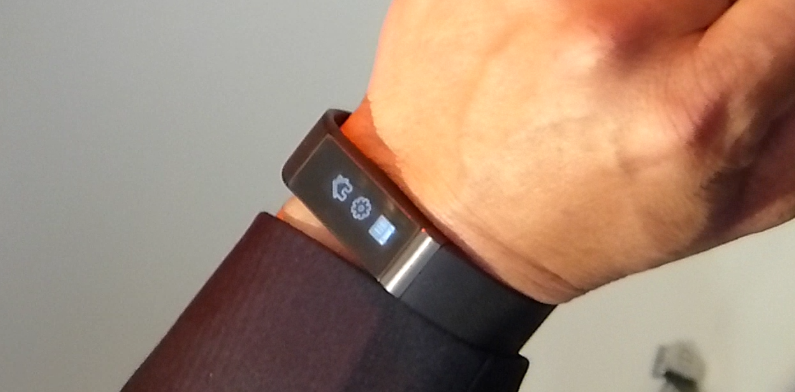
Bundled with the Liquid Jade is the Liquid Leap, a wearable that promises to show fitness information alongside notifications sent from your phone smartphone. There was no confirmation if the smartwatch would be compatible with other devices, or sold separately.
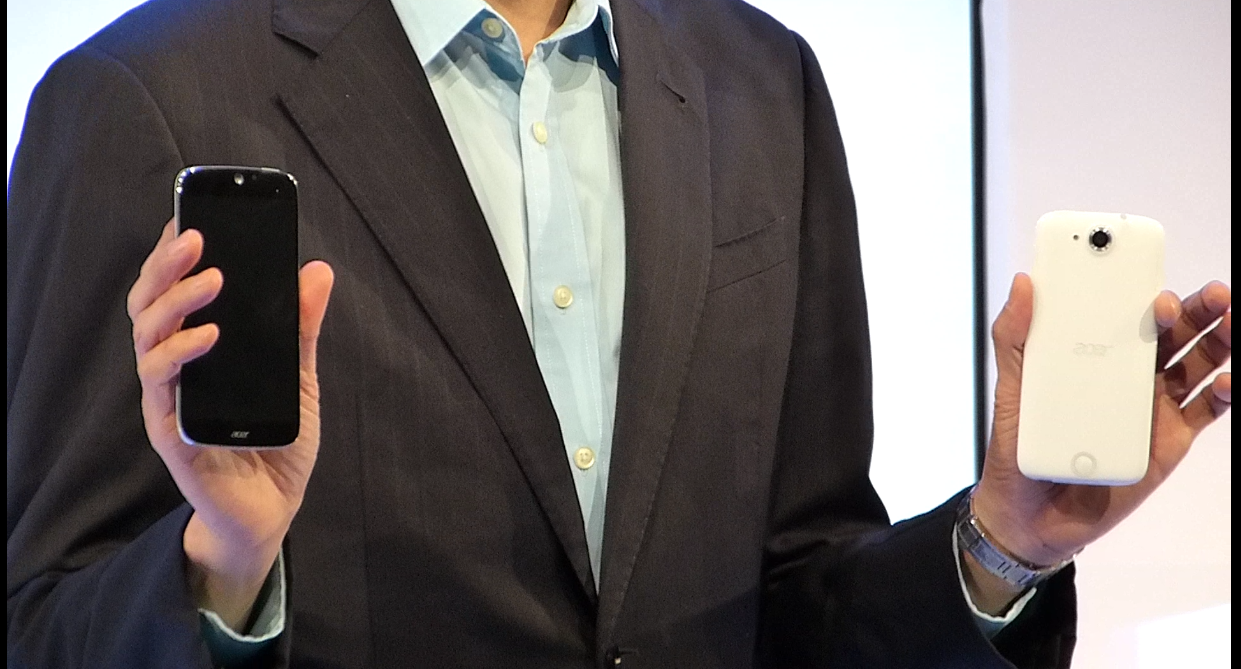
Looking around the Jade:

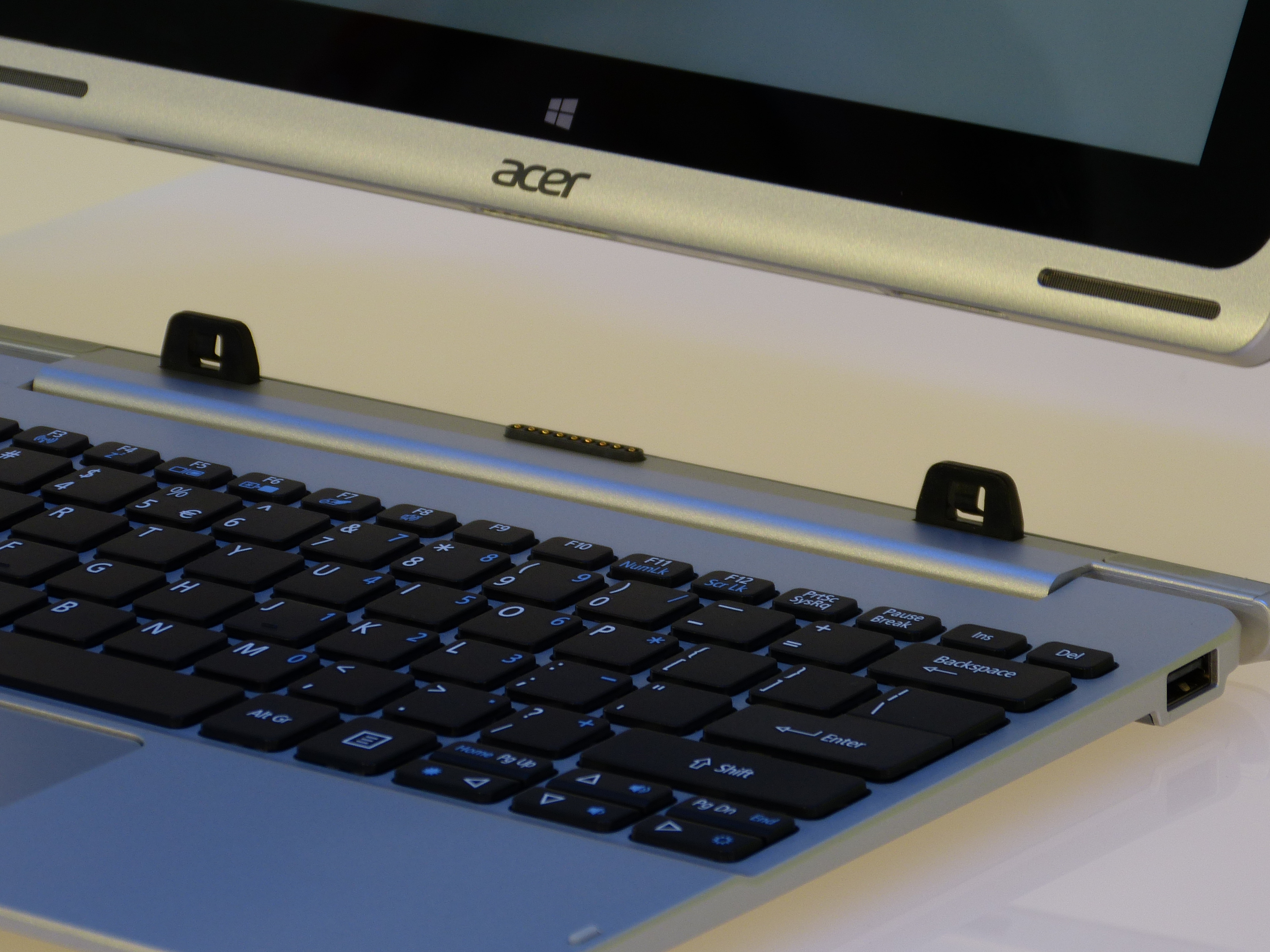
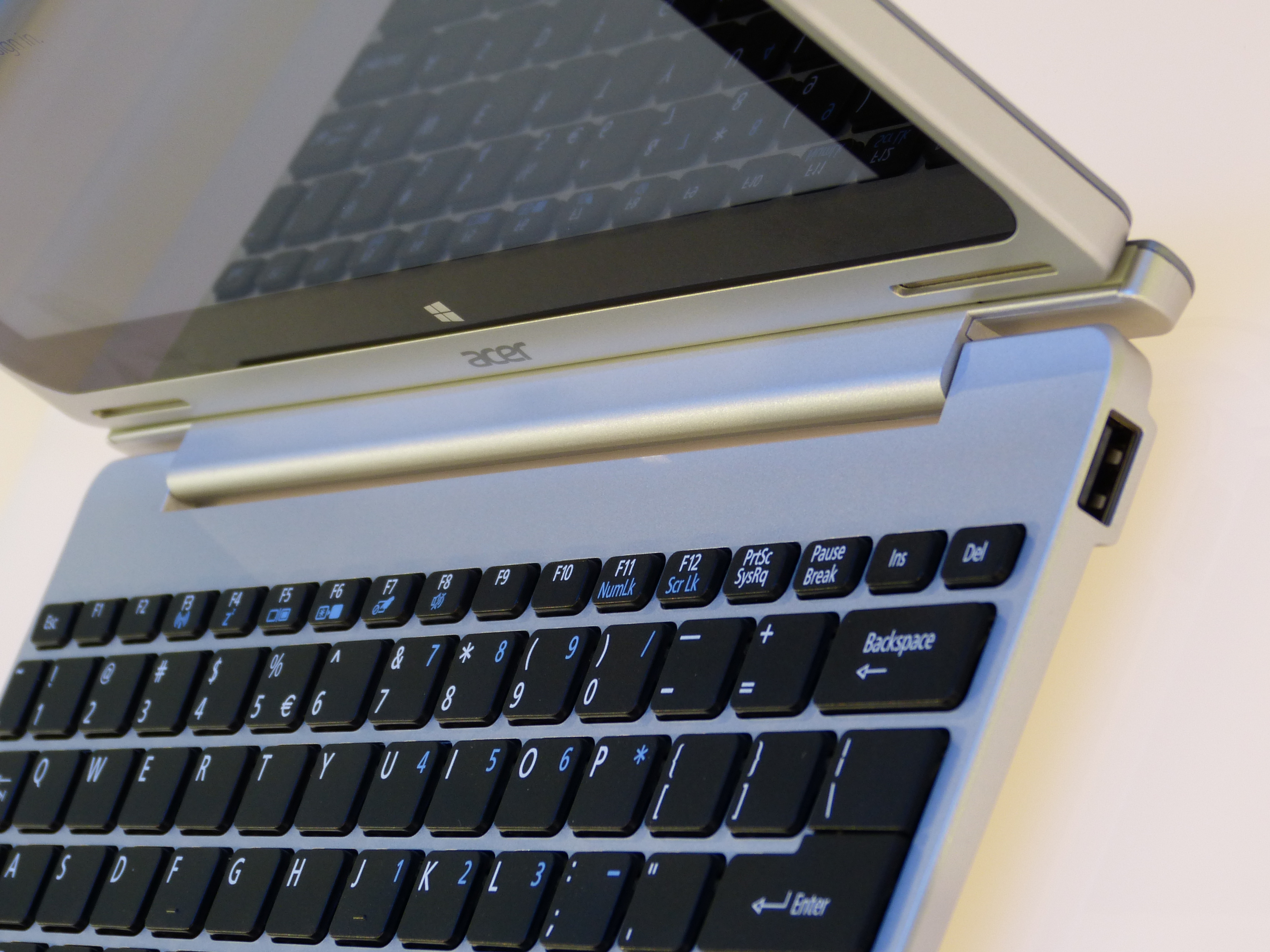 The star of Acer’s global press conference today was the launch of the Acer Apsire Switch 10, a Windows 8.1 tablet with clip on keyboard. The most exciting aspect of this is the “Snap hinge,” this would really feels durable without being overly heavy. Others have tried this in the past however Acer looks to have nailed it with the combination of two exposed clips and some heavy magnets that hold everything snugly together.
In addition to this Acer are also bragging of the 10″ display featuring a “Zero Air Gap” meaning there is no gap between the display and the protective plastic over the top allowing for a better viewing angle and less glare from sunlight. Running on an Intel Atom Z3745 quad-core processor with 2GB of RAM performance seemed pretty snappy. You have the choice of 32 or 64GB of storage.
Like many multi-positional devices before it, the Switch 10 can switch into four typical forms, laptop, tablet, tent and stand.
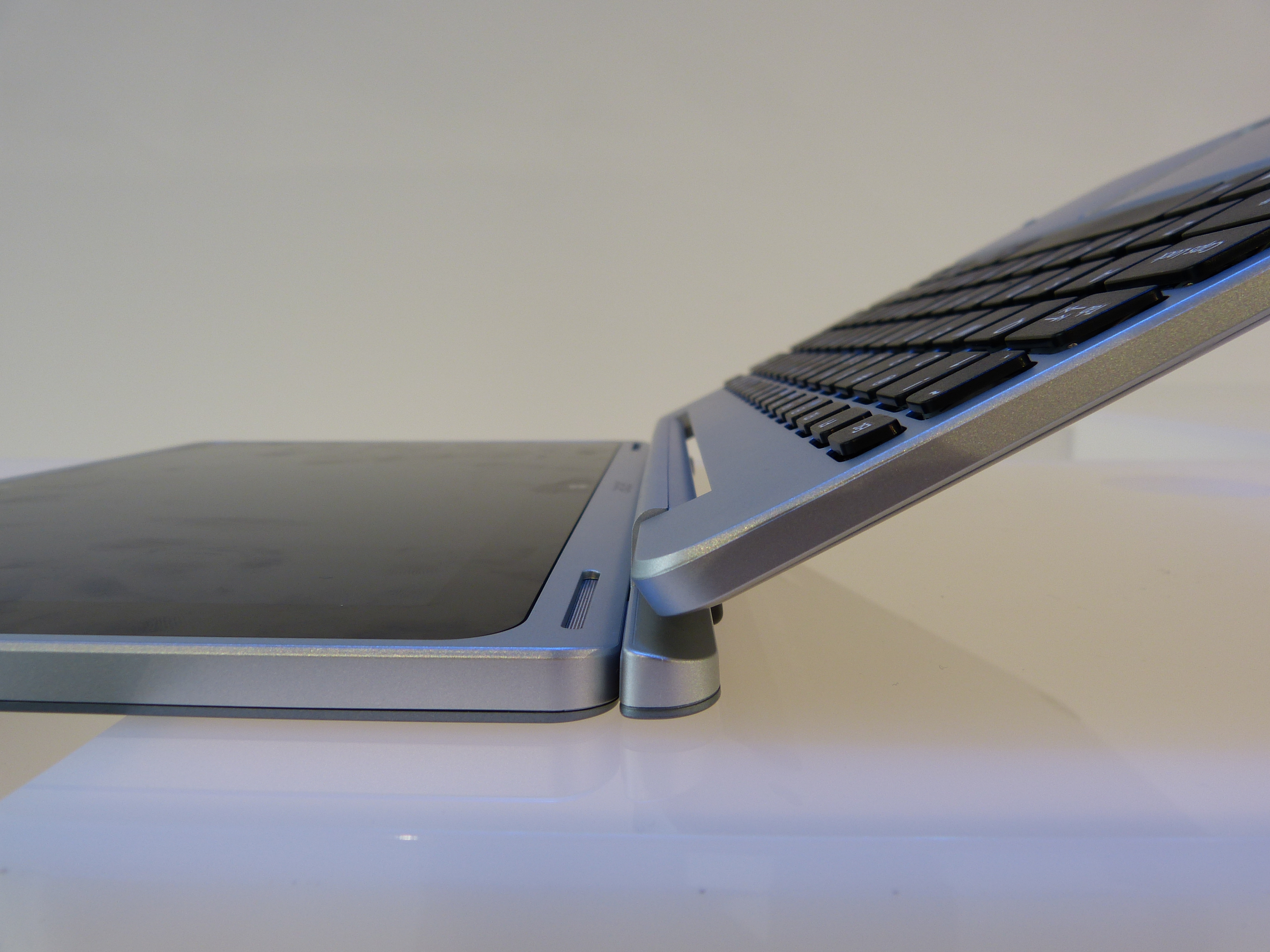
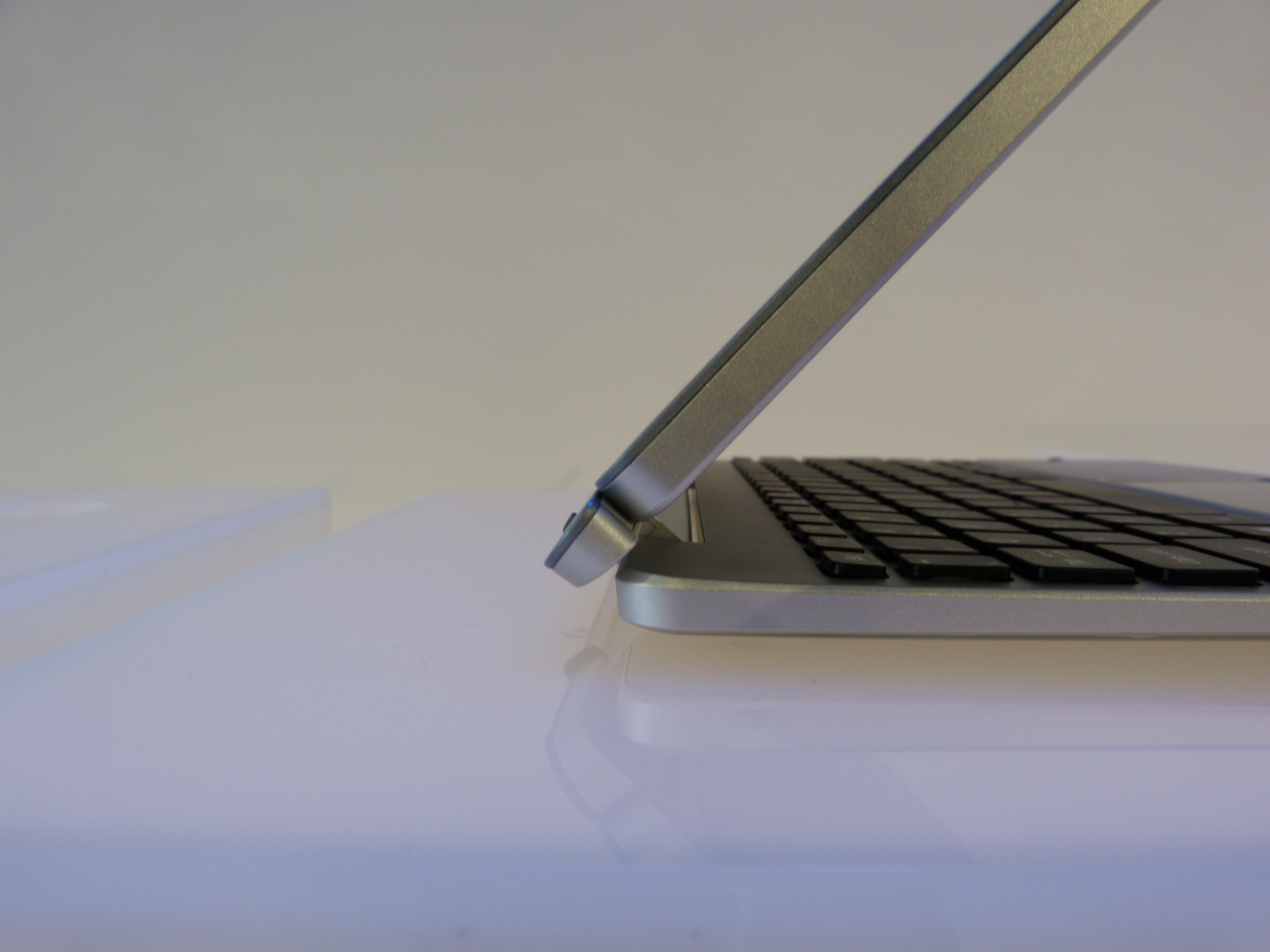
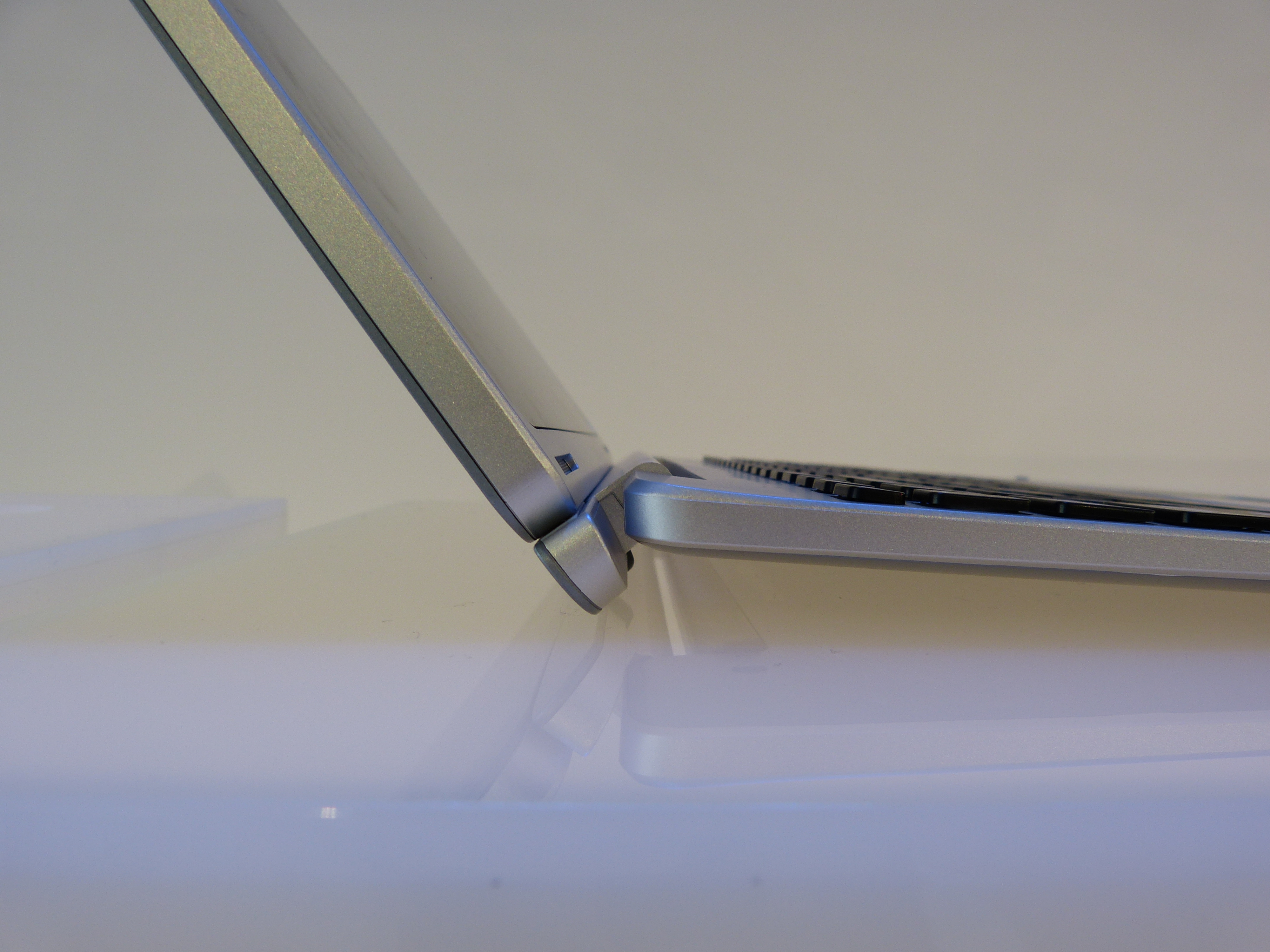
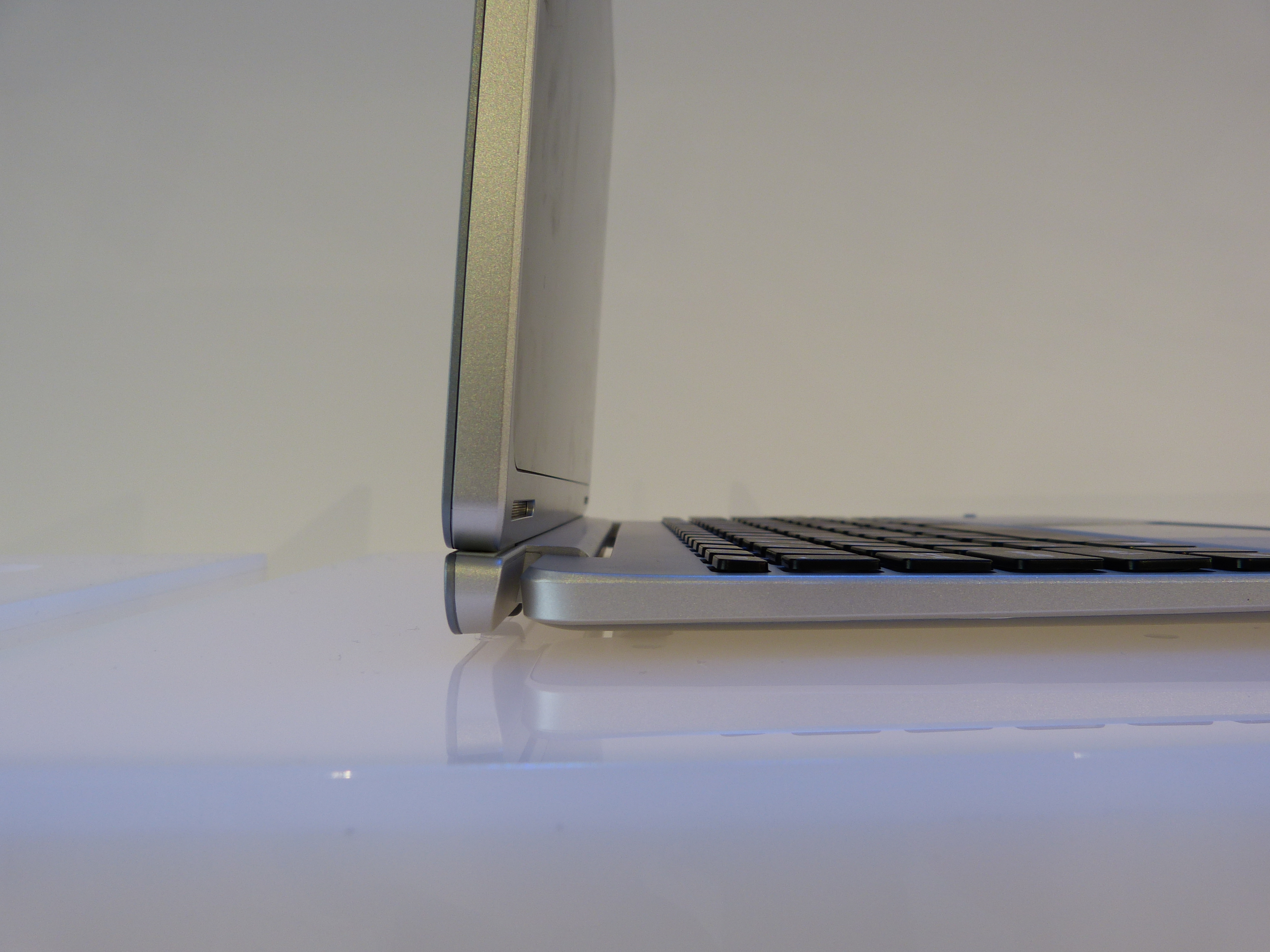
The Snap hinge mechanism is interesting as it sits at a perfect right angle, as you tilt further back the keyboard rises and tilts toward to making a more natural typing position.
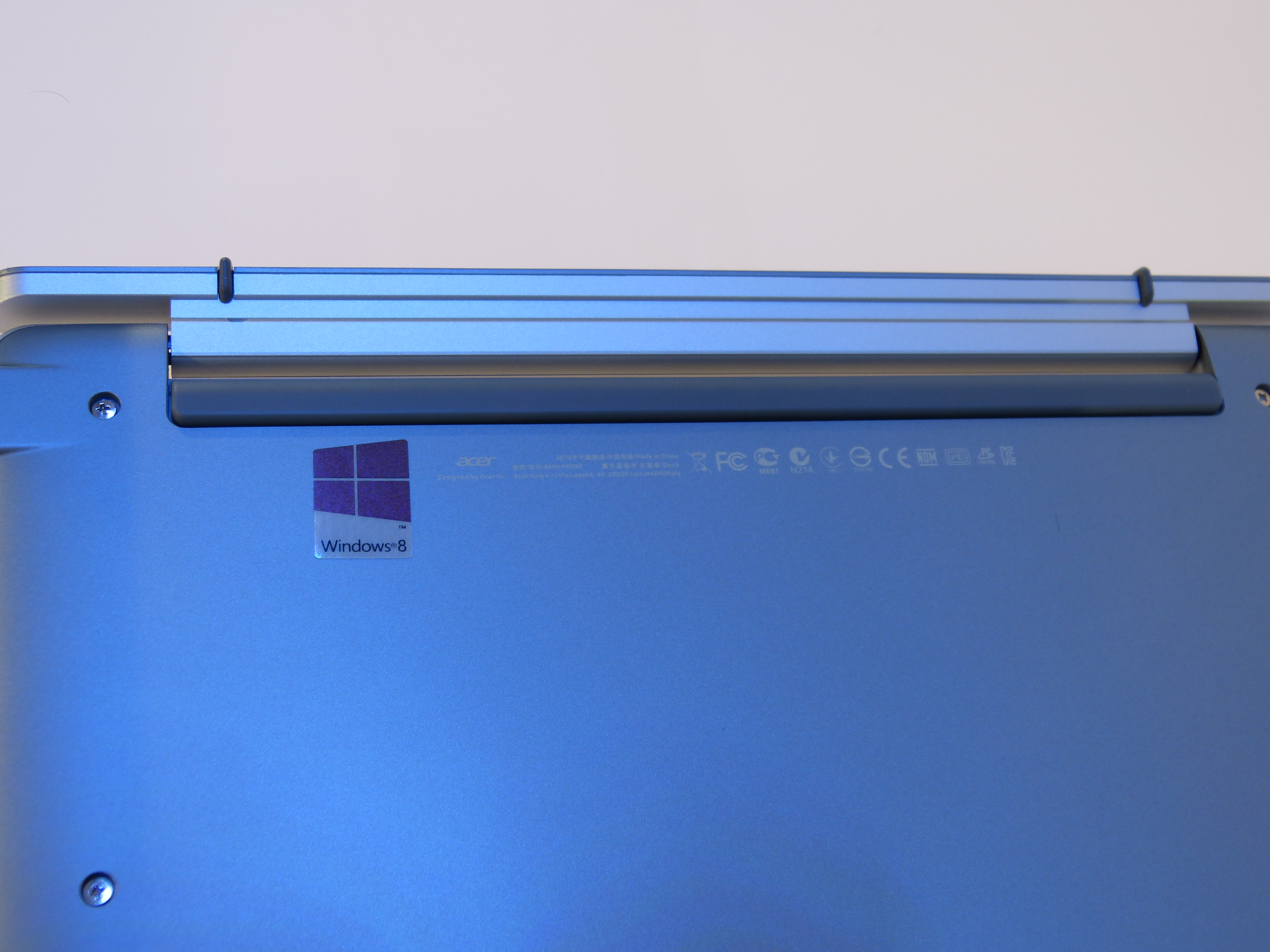
Undeneath the machine is not affected by the hinge as the mechanism is contained within the profile of the Switch 10.
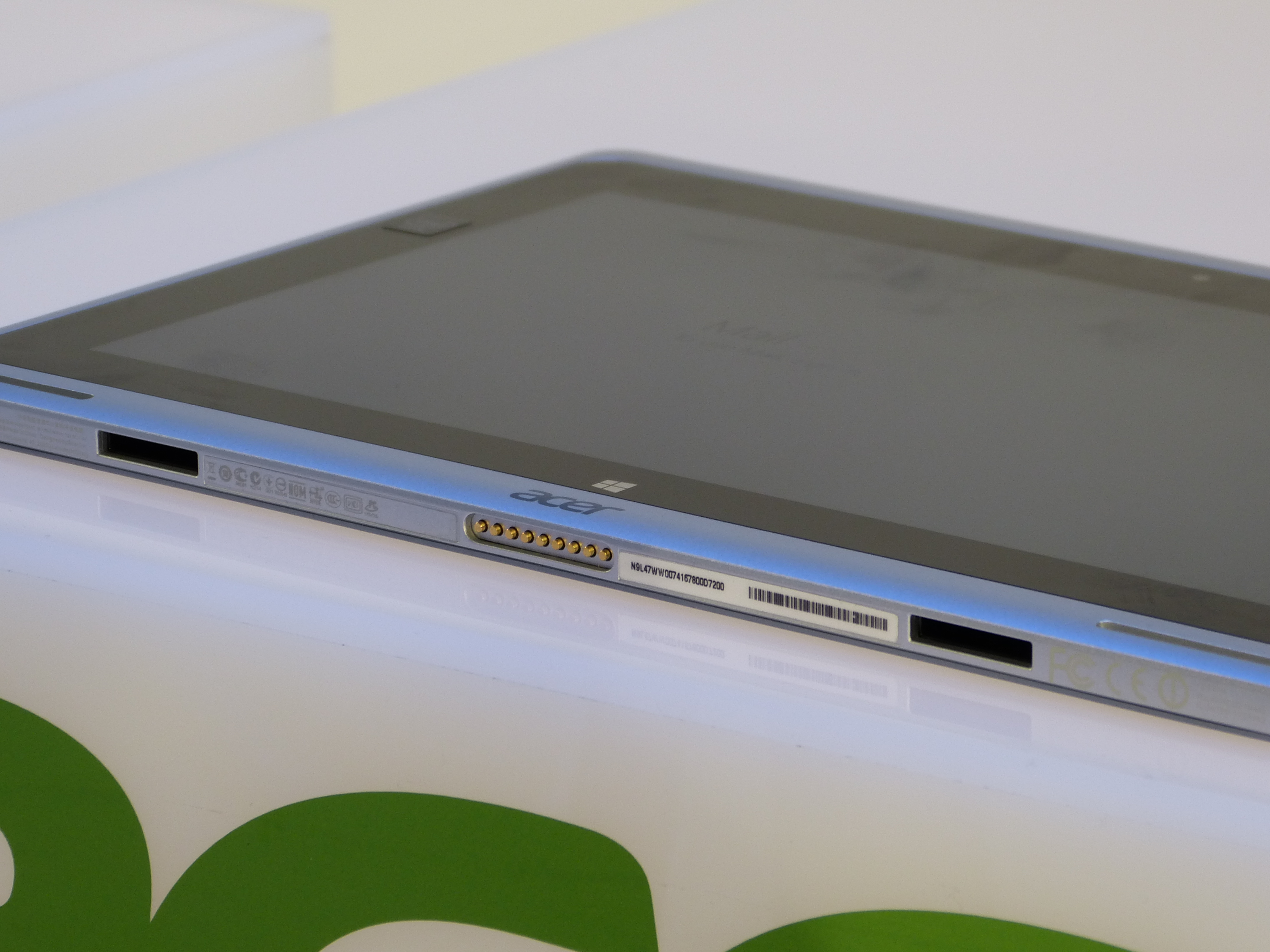
The bottom of the tablet has two holes for the clips and some connections for the keyboard input. The magnets are not visible.
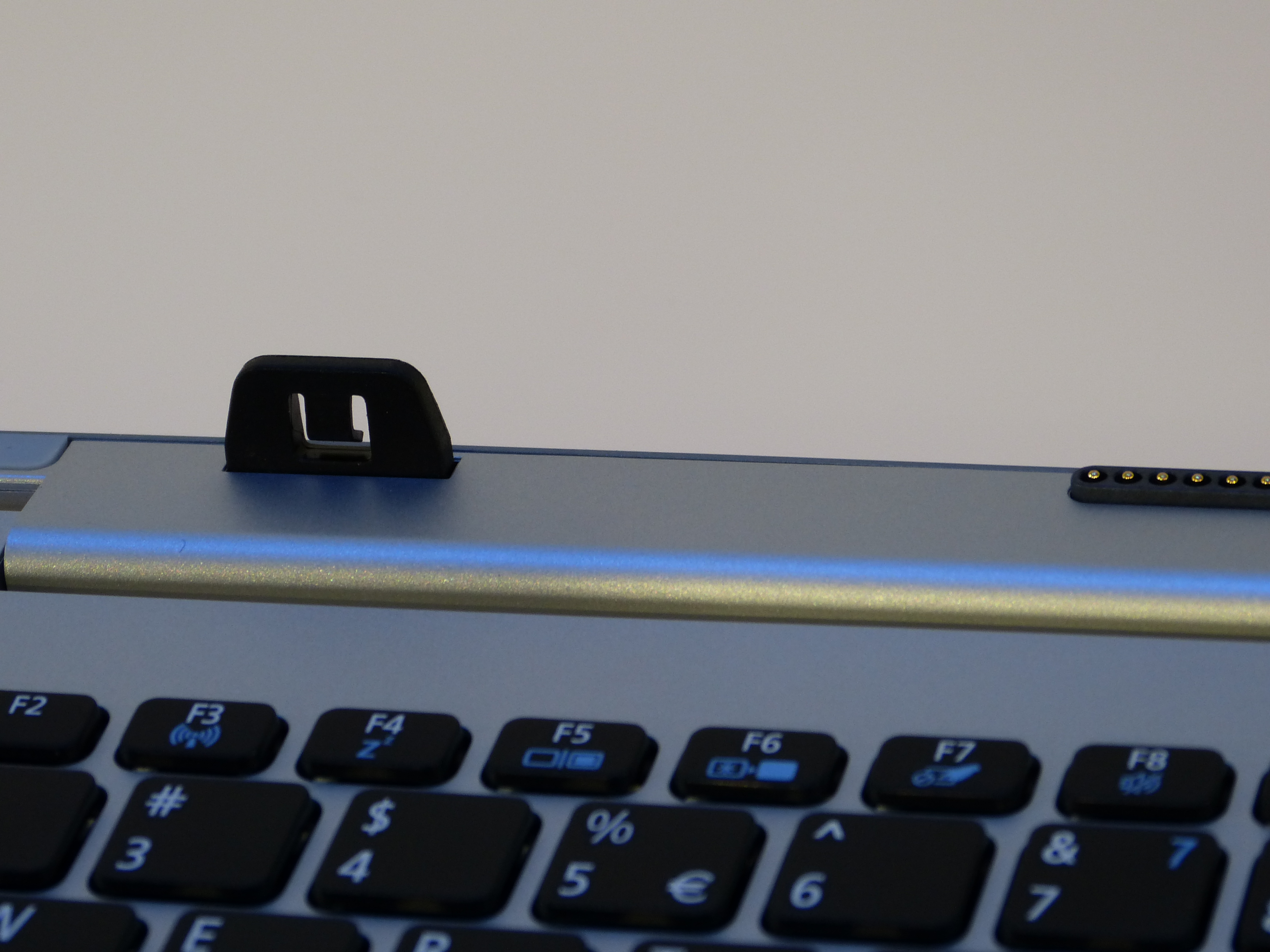
The clips are fairly simple and are angled to help guide the tablet into a lock position. The magnets tend to do all the work.
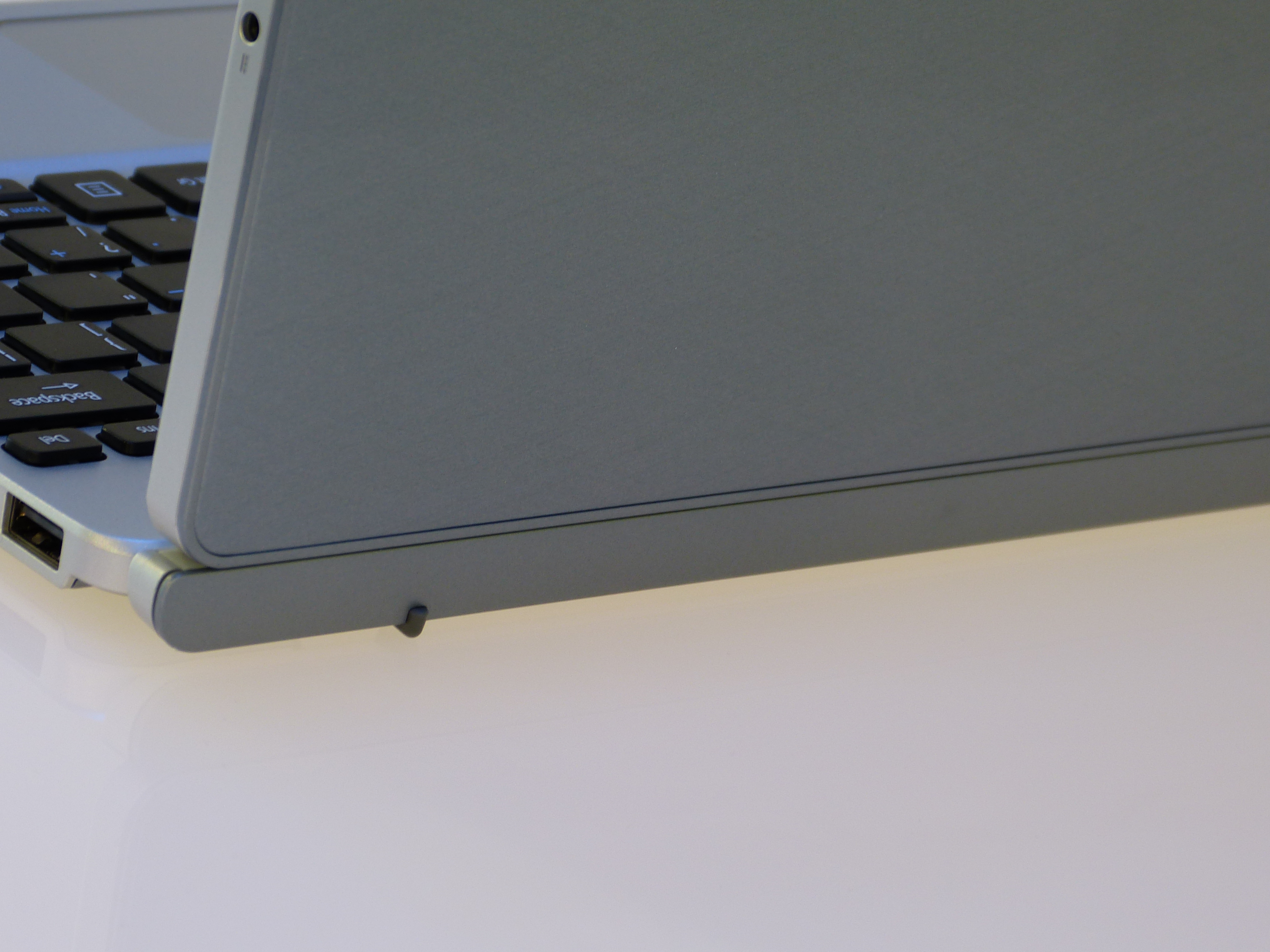
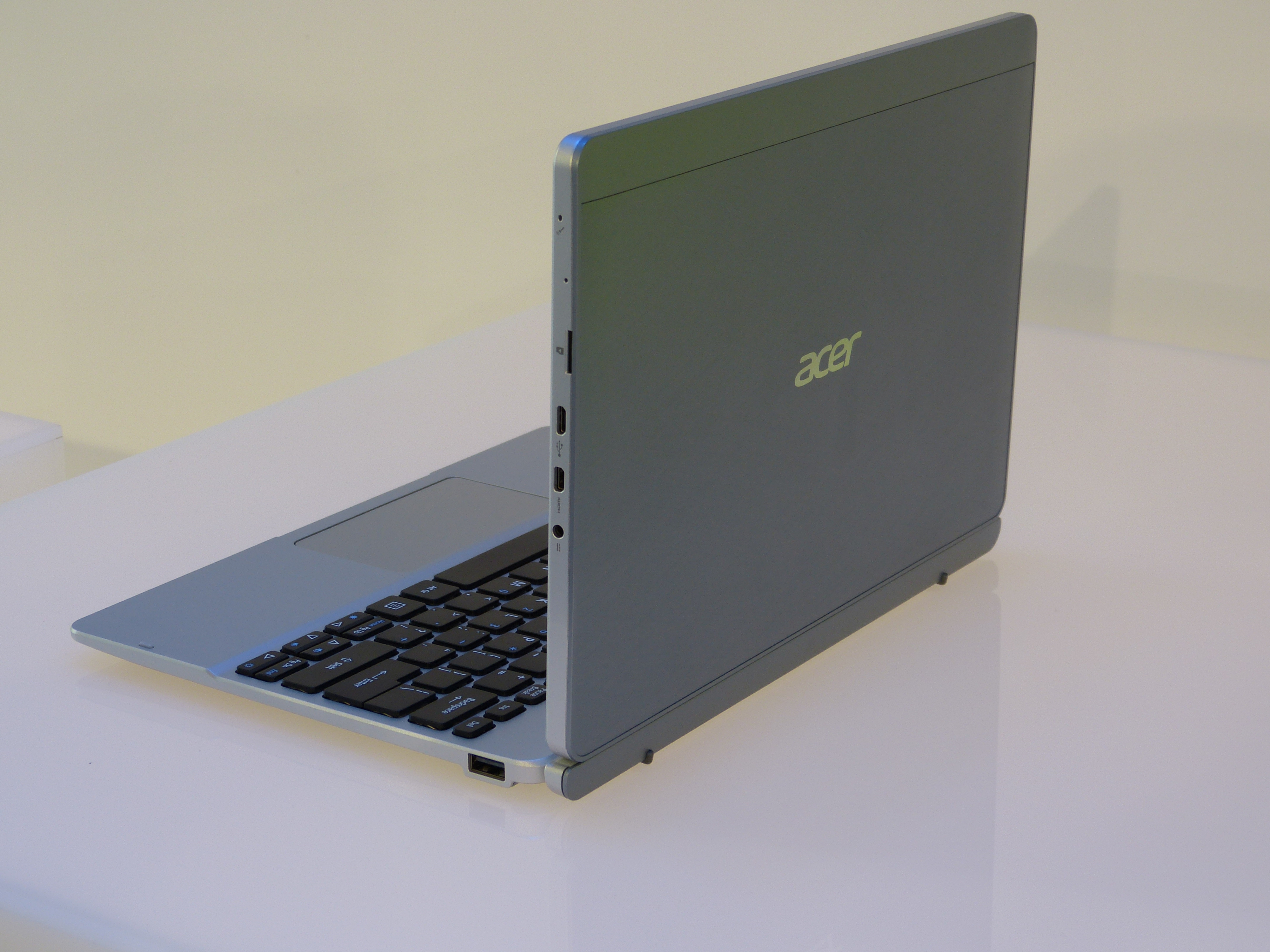
The rear of the device benefits front the positioning of the hinge. A nice unbroken line gives the Switch a more elegent look instead of the clumsy visible hinges on most other devices.
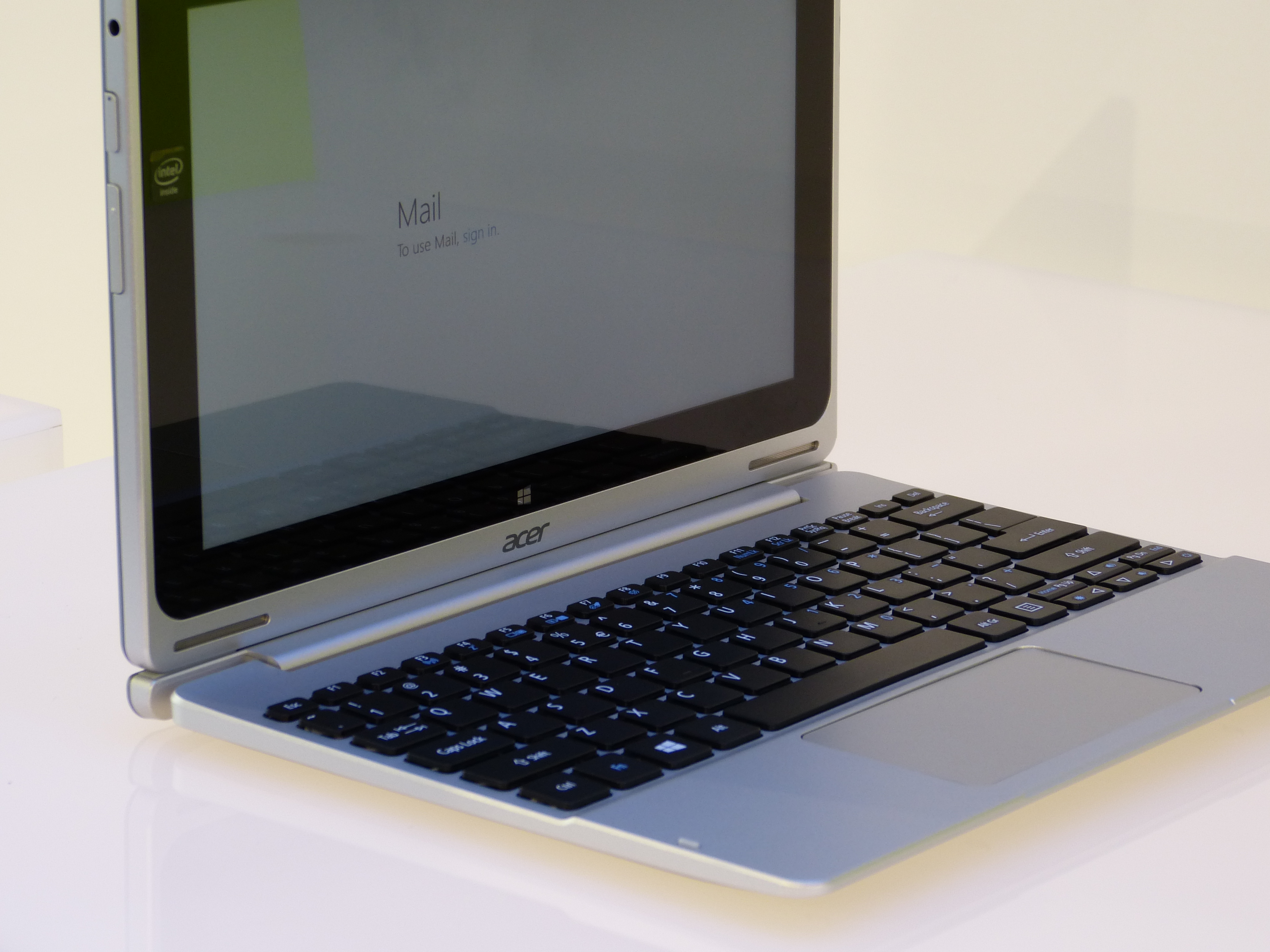
Elsewhere the tablet has some decent specs for the proposed £299
- Screen 10.1″ HD 13666×768
- Intel Atom Z3745
- 2GB Ram
- Intel HD Graphics
- 32/64gb storage options
- 2mp front facing camera
The tablet as a wealth of connections on either side.
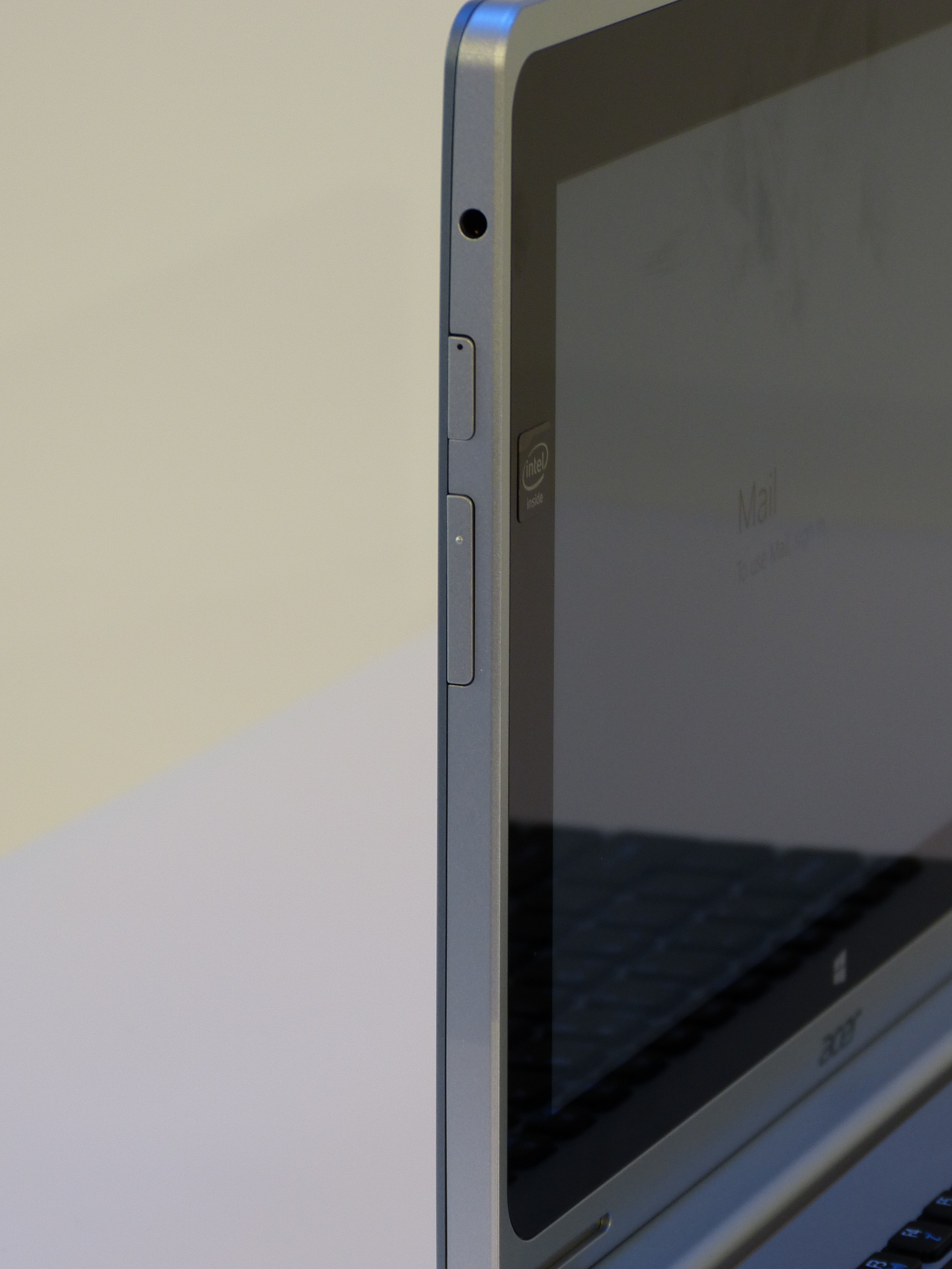
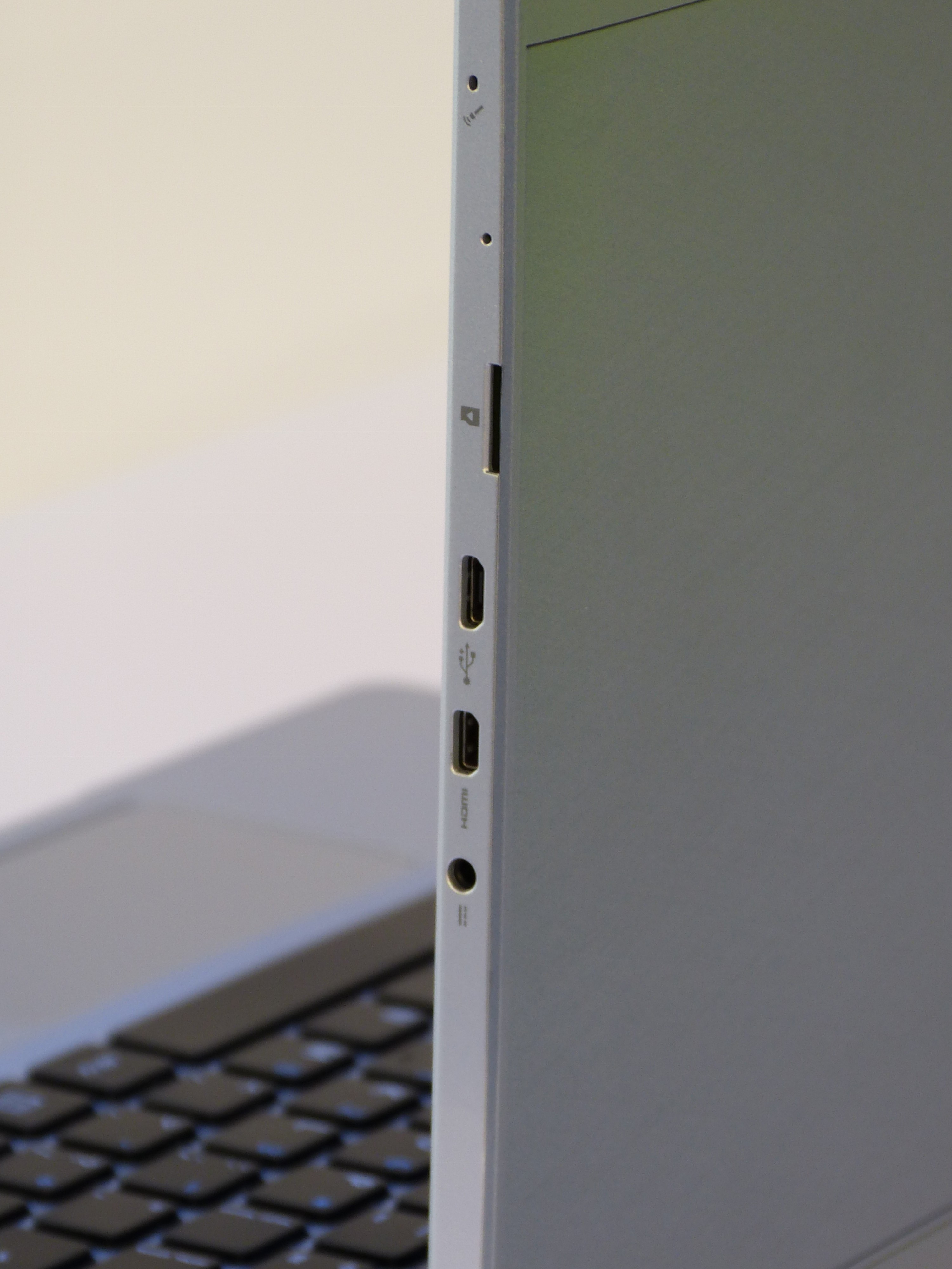

 Tracyandmatt.co.uk present this quick look at the technology news for the last week. Gareth Myles comments on some of the more interesting stories including Baldur’s Gate, HP Leap technology, Google and HTC making a tablet and more!

 Gareth, Matt and Phil get together to chat about the latest mobile phone, tablet and chromebook news in the UK.
This week we discuss the OnePlus and whether or not it will really be a $1 superphone or will even materialise at any price. We discuss Nokia’s name change and un-change as well as Gareth’s look at the Xperia Z1 compact.
Featuring Gareth, Matt and Phil

 Google’s Nexus does not seem to the only modestly priced powerhouse on the market. OnePlus have launched the inexpensive One, a $300 high end phone with some killer features. OnePlus will be available at some point between April and the end of June in America, UK, Canada, Austria, Belgium, Denmark, Finland, France, Germany, Hong Kong, Italy, Netherlands, Portugal, Spain, Sweden, and Taiwan. The is no exact release date however review samples have made their way to various outfits.
Most interestingly the OnePlus will run Android, but it’ll be a custom version of the popular CyanogenMod. Running on the new Snapdragon 801 processor with 3GB of RAM and a 3100mAh non-removable battery will be inside the device.
Other specs include a 13-megapixel, six-element, f/2.0 Sony Exmor IMX214 sensor. Image stabilization and slow-motion recording at 720p will be standard, and a fast 0.3s shutter speed is promised. The camera also shoots video in 4K (Ultra HD), and selfie fans will welcome a 5-megapixel front camera fitted above the screen.
What’s that about $1? Their website brags that you might be able to acquire the device for as little $1, however there is a timer counting down.

 This rumour has been heard before, however this is supposedly “supply chain” intel to corroborate them. According to this newest report, Google is still considering teaming up with HTC on a new Android Tablet. This may be an 8-inch device. The second part of this rumour suggests that Google is considering eliminating the Nexus line of Android tablets altogether after this device.
There are two possible reasons why Google could be using HTC instead of Asus for a future tablet. First, Google is apparently looking for a new outer design for the Nexus tablet. Second, according to the report, Asus has not been very motivated to try and push the Nexus tablet line, instead they are trying to build up its own brand cache. Ironically, this is exactly what Google wanted. They specifically put restrictions on how Asus could push the Nexus line. This was meant to spur the company to create its own line of Android products.
Apparently, Google’s whole purpose with the Nexus tablets was simply to jump-start the industry so that Android tablets could compete effectively with the Apple iPad. Since that has been mostly successful, Google is considering pulling back to let the various OEMs run the show now. Asus is a good example of the outcome that Google was aiming for.
Tracyandmatt.co.uk present this quick look at the technology news for the last week. Gareth Myles comments on some of the more interesting stories including Project Ara, The Sony Xperia Z1 Compact and US Airways legendary twitter activity.
This is our second show and we’re aiming to make this a regular feature so, as always, your feedback is greatly appreciated.
Connect
Connect with us on the following social media platforms.